
If your last blood test came back with a high LDL number, you have probably asked the same question thousands of people ask every week: are there really foods that lower cholesterol fast, or is that wishful thinking? The honest answer is more interesting than either extreme. No single food rewrites your lipid panel overnight, but researchers in Toronto discovered that stacking the right cholesterol-lowering foods together can cut LDL by 13 to 30 percent, a result in the same neighborhood as some first-line medications.
In this guide, I break down the 11 foods with the strongest evidence for lowering cholesterol, based on a video interview with Dr. Michael Greger on The Exam Room Podcast, plus cardiology research from Harvard Health and Mount Sinai. Watch the video below, then read the full breakdown with exact portions, mechanisms, and the foods you should limit at the same time.
In this guide:
- Watch the video
- How much can food really lower LDL?
- The 11 foods
- Foods that raise cholesterol: what to limit
- My take: what fasting taught me about food and heart health
- FAQ
Watch: Dr. Greger on How to Lower Cholesterol Naturally With Food

Dr. Michael Greger, the physician behind NutritionFacts.org, joins host Chuck Carroll to walk through the simple, science-backed foods and spices that drive LDL cholesterol down without drugs. In the video, he covers why the standard American diet is now the number one cause of death in the United States, the truth about statins, which foods raise cholesterol (meat, dairy, eggs, and coconut and palm oils), and his top LDL-lowering picks, including black soybeans, apples, and garlic powder. He also explains why even olive oil can raise cholesterol in the wrong dietary context, and why one small daily change still makes a measurable difference. I have summarized every key point below in my own words, with the research behind each claim.
The Honest Truth: How Much Can Food Really Lower Cholesterol?
Before the list, here is the part most articles skip. In the early 2000s, researchers at the University of Toronto tested a dietary pattern called the portfolio diet, which stacks four categories of cholesterol-lowering foods: soluble fiber, plant sterols, nuts, and soy protein, all on a low-saturated-fat base. In tightly controlled trials where every meal was provided, LDL dropped by roughly 28 to 30 percent over four weeks. In real-world trials where people shopped and cooked for themselves, the average reduction over a year was closer to 13 percent. People who stuck with the plan most faithfully did considerably better.
Each pillar on its own moves LDL by single digits: about 5 to 10 percent for enough soluble fiber, 8 to 10 percent for plant sterols, about 5 percent for a daily serving of nuts, and 3 to 5 percent for soy protein. Stack them and the arithmetic starts to matter. Your genetics and starting point shape your response, so follow-up bloodwork, not hope, should tell you whether it is working. For a deeper look at another science-backed way of sorting foods, watch our companion guide to Dr. Gundry’s yes and no diet list.
11 Foods That Lower Cholesterol Fast
1. Oats
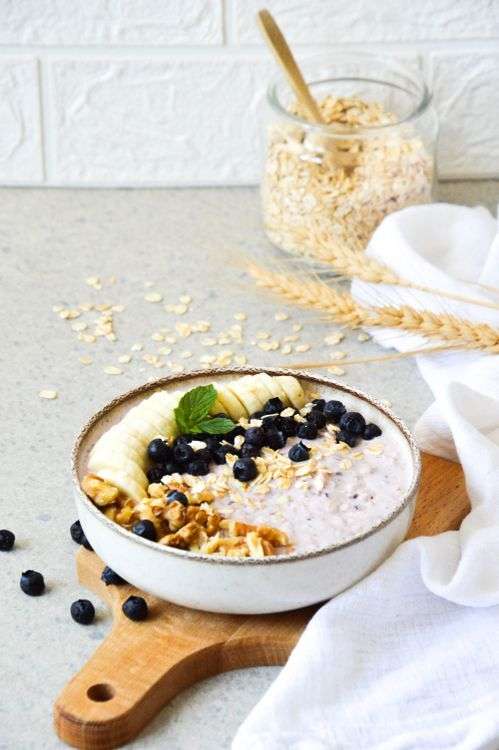
Oats are the workhorse of cholesterol-lowering foods. They are rich in beta-glucan, a soluble fiber that forms a gel in your gut, binds bile acids (which your liver makes from cholesterol), and carries them out of the body. Forced to make new bile acids, your liver pulls cholesterol from your bloodstream. A bowl of oatmeal or an oat-based cereal delivers 1 to 2 grams of soluble fiber, and Harvard Health lists oats first among its five cholesterol-fighting foods. Research summarized by the Mayo Clinic finds that 5 to 10 grams of soluble fiber daily produces a measurable LDL drop. Choose steel-cut or rolled oats and skip the instant packets loaded with sugar.
2. Beans and lentils
Beans are especially rich in soluble fiber, and they keep you full for hours because they take a while to digest. Swapping beans for meat at even a few meals a week gives you a double benefit: you add fiber and remove the saturated fat that comes bundled with most animal protein. A daily serving of legumes has been linked to roughly a 5 percent LDL reduction in studies. These fiber-rich foods also do double duty for your gut, so read our guide to the best foods for gut health to see the overlap.
3. Barley
Barley rivals oats gram for gram in beta-glucan, yet it rarely gets the spotlight. Cook it like rice and use it as a base for grain bowls, stir it into soups, or swap it into any recipe that calls for white rice. Like oats, it is FDA-recognized for its heart-health claim tied to soluble fiber.
4. Apples
Apples are one of Dr. Greger’s specific picks in the video. Their pectin, another soluble fiber, binds cholesterol in the gut, and their polyphenols help reduce LDL oxidation, the process that makes LDL more likely to stick to artery walls. Eat the apple with the skin, where much of the fiber lives. Pears, citrus, and berries work on the same principle.
5. Nuts: almonds, walnuts, and pistachios
A bushel of studies shows that eating almonds, walnuts, peanuts, and other nuts is good for the heart. Harvard reports that eating about 2 ounces of nuts a day can lower LDL on the order of 5 percent, and nuts bring additional heart-protecting nutrients along with unsaturated fats and natural plant sterols. Walnuts add omega-3s. Keep them raw or dry-roasted and unsalted, since honey-roasted or heavily salted versions bury the benefit under sugar and sodium.
6. Fatty fish: salmon, sardines, and mackerel
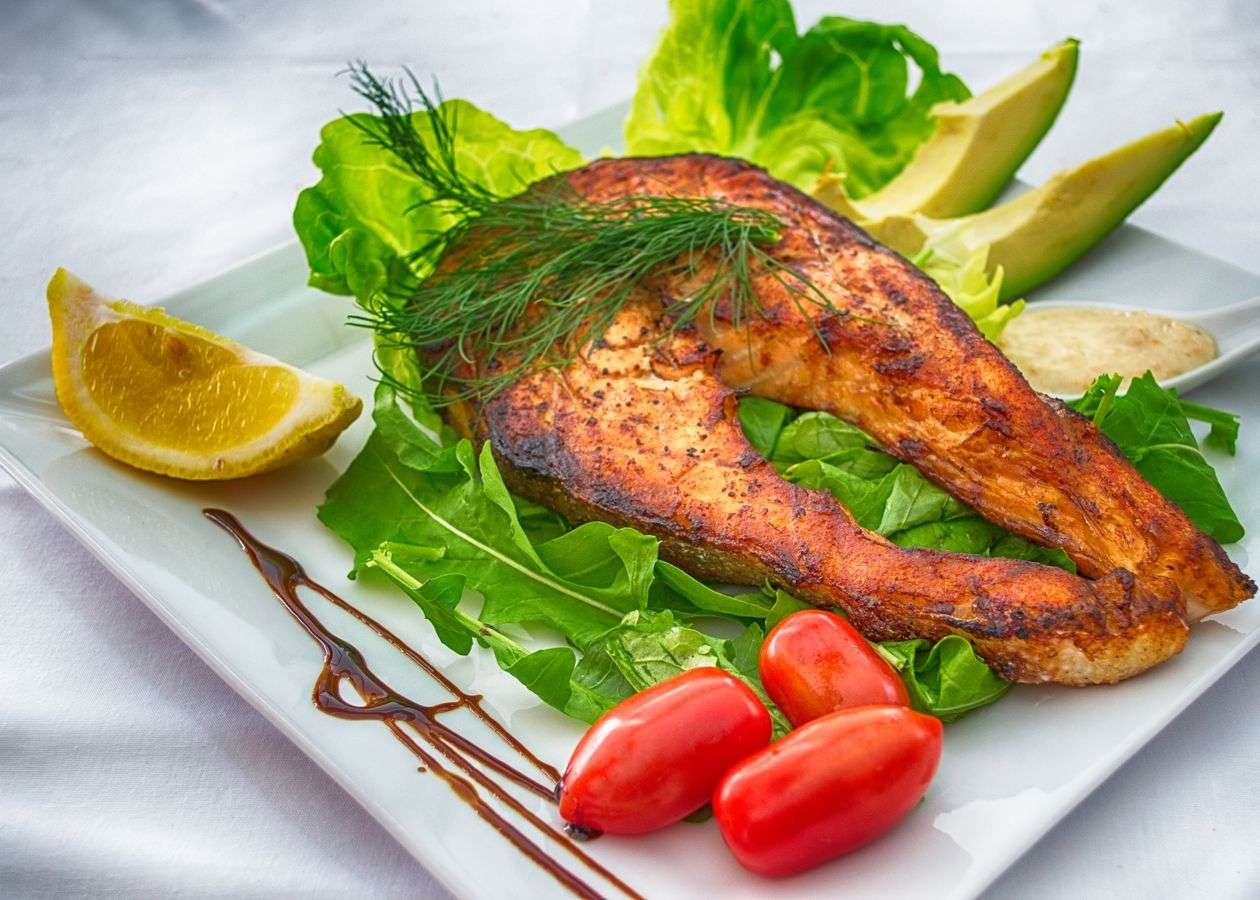
Eating fish two or three times a week lowers LDL in two ways, according to Harvard Health: it replaces meat, which carries LDL-boosting saturated fats, and it delivers omega-3 fats, which reduce triglycerides in the bloodstream and help protect the heart against abnormal rhythms. A Mount Sinai cardiologist interviewed by Verywell Health names salmon, sardines, and mackerel specifically. Grill or bake, do not fry. If you do not eat fish, ground flaxseed and chia supply plant-based omega-3s. If you are weighing a supplement, my fish oil vs flaxseed oil guide breaks down which omega-3 actually reaches your heart.
7. Avocado
Avocados supply monounsaturated fats that raise HDL, the “good” cholesterol, while helping lower LDL, plus a meaningful dose of potassium that supports healthy blood pressure. Half an avocado in a salad, on toast, or blended into a smoothie is an easy daily addition, and it replaces butter or cheese in the same slot, which removes saturated fat at the same time.
8. Extra virgin olive oil
Olive oil earns its place as a swap, not an add-on. Replacing butter, ghee, or other saturated fats with extra virgin olive oil improves the cholesterol balance of the whole diet, and its polyphenols help prevent LDL oxidation. Use 1 to 2 tablespoons a day for cooking or dressings. One nuance from Dr. Greger worth knowing: poured over an already plant-based diet, even olive oil can nudge cholesterol up compared with whole-food fat sources, so treat it as the best cooking fat, not a health food to drink. These cholesterol-lowering foods work even better inside an overall eating pattern — a cardiologist’s guide to the Mediterranean diet for heart health explains the PREDIMED trial evidence behind the pattern.
9. Soy foods: tofu, edamame, and soy milk
Around 25 grams of soy protein a day, roughly a cup of edamame plus a glass of soy milk, or one solid serving of tofu, lowers LDL by about 3 to 5 percent. Dr. Greger singles out black soybeans in the video. The indirect effect may matter more: every meal built around tofu or tempeh is a meal not built around fatty ground beef. Start where the texture is forgiving, edamame as a snack or soy milk in your morning oatmeal, which neatly stacks two cholesterol-lowering pillars in one bowl.
10. Garlic
Garlic’s active compound, allicin, modestly reduces cholesterol synthesis in the liver, a real but small effect that Dr. Greger includes among his top cholesterol-lowering spices, specifically garlic powder. Crush or chop fresh cloves and let them sit for about 10 minutes before cooking to activate the allicin. Treat garlic as a supporting player, not a headline act: the internet’s louder garlic claims outrun the evidence.
11. Foods fortified with plant sterols and stanols
Plant sterols look so much like cholesterol that they compete for the same absorption machinery in your small intestine. When a sterol occupies the slot, cholesterol from your meal passes through unabsorbed. You cannot realistically eat enough sterols from whole foods alone, but fortified spreads, yogurt drinks, and juices deliver the research-backed target of about 2 grams a day, which lowers LDL by roughly 8 to 10 percent within a few weeks, according to Harvard Health. Eat them with meals, when cholesterol absorption is actually happening.
Bonus: green tea. Dr. Greger calls green tea and mushrooms genuine health boosters, though not major LDL reducers. Meta-analyses find regular green tea consumption lowers LDL by a few points, real and measurable, but rounding rather than restructuring. Swap it for sugary drinks and you remove a triglyceride-raising habit at the same time.
Foods That Raise Cholesterol: What to Limit
Adding good foods only works if you also address the other side of the ledger. Dr. Greger names the biggest dietary drivers of high cholesterol plainly: meat, dairy, eggs, and coconut and palm oils. The Mount Sinai cardiologist adds the full list worth limiting: saturated fats such as fatty cuts of red meat, processed meats, butter, and full-fat dairy; trans fats in fried foods, baked goods, and processed snacks; highly processed foods; and refined carbohydrates and added sugars, which lower HDL and raise triglycerides.
Beyond food, the cardiologist points to the lifestyle levers that move cholesterol: 150 minutes a week of moderate activity such as brisk walking, maintaining a healthy weight (even modest weight loss improves cholesterol), limiting alcohol, avoiding smoking, sleeping well, and managing stress. Food works best as part of that full picture, and pairing your meals with movement helps, which is why I also recommend reading about the benefits of walking after eating.
My Take: What Fasting Taught Me About Food and Heart Health
I will be honest about where I am coming from. I am not a doctor, and I do not play one on the internet. What I do have is a long personal history of experimenting with food, including completing four 40-hour fasts and one 84-hour fast, and paying close attention to what those experiments taught me.
One thing that stuck with me from my research before those fasts: studies have suggested that fasting may help lower blood pressure and reduce the risk of heart disease. That is one of the reasons I took fasting seriously in the first place. I am careful not to present that as settled science, and you should be careful too, but it reframed how I think about food. After 84 hours without eating, a single strawberry tasted like the sweetest, most incredible thing I had ever eaten. Fasting gave me a completely new appreciation for food, and for how much of what I normally eat is habit rather than need.
That appreciation changed how I eat day to day. I travel constantly, last year I racked up 300 flights, and airport food is a minefield of exactly the saturated fat and processed food this article warns about. The foods on this list are the ones that survive real life on the road. Oatmeal is available in nearly every hotel breakfast. A handful of almonds fits in a camera bag. Grilled salmon is on almost every restaurant menu in America, and I will order it over a steak without thinking twice now. When I broke my 84-hour fast, I ordered from my favorite Thai restaurant and feasted on fish curry and shrimp pad Thai, which, looking back, was accidentally a perfect heart-healthy refeed: fish, not red meat.
I also learned that stress management is inseparable from heart health. During my long fasts, I used meditation tracks and a sleep mask device to calm my nervous system, and I became fascinated by the vagus nerve, the key to the parasympathetic control of the heart, lungs, and digestive tract. You can train it like a muscle through breathwork and quality rest. Chronic stress keeps your body in fight-or-flight mode, which is terrible for your heart over time. If your cholesterol is high and your life is high-stress, addressing both at once is not optional. Our guide on how to lower cortisol naturally pairs well with everything above.
My bottom line, as someone who has spent years experimenting on himself: start with the oatmeal, add the fish, swap the butter for olive oil, and get your bloodwork rechecked in a few months. Small, consistent changes beat heroic overhauls every time. Dr. Greger says the same thing in the video, and the portfolio diet research backs him up: even one small daily change makes a measurable difference. If blood pressure is your bigger concern, I put together a companion guide on how to lower blood pressure naturally with the same doctor-backed approach.
Want more video breakdowns like this in your inbox every morning and evening? Join the free Biohack newsletter below and never miss a post.
Frequently Asked Questions
How fast can diet lower cholesterol?
Measurable changes show up in weeks, not days. Plant sterols lower LDL by roughly 8 to 10 percent within a few weeks. In the tightly controlled portfolio diet trials, LDL fell 28 to 30 percent over four weeks; in real-world conditions, the average was about 13 percent over a year. No food works overnight, but few interventions show results this quickly.
What foods should I avoid if my cholesterol is high?
The main dietary driver of high LDL is saturated fat. Limit fatty cuts of red meat, processed meats like sausage and bacon, butter, full-fat dairy, and coconut and palm oils. Also cut trans fats, fried foods, highly processed snacks, and refined carbohydrates and sugary drinks, which lower HDL and raise triglycerides.
Does oatmeal really lower cholesterol?
Yes. Oatmeal’s beta-glucan, a soluble fiber, forms a gel in the gut that binds bile acids made from cholesterol and carries them out of the body, forcing the liver to pull cholesterol from the blood. A bowl of oatmeal provides 1 to 2 grams of soluble fiber, and research finds that 5 to 10 grams of soluble fiber daily produces a measurable LDL drop.
What flushes cholesterol out of the body?
Nothing flushes cholesterol, despite what detox marketing claims. Cholesterol is a waxy molecule your liver manufactures and manages, packaged into particles like LDL and HDL. The liver’s real exit route is converting cholesterol into bile acids, which go into the intestine and either get recycled or leave in stool. Soluble fiber is the one dietary lever that props that exit door open by binding bile acids so they cannot be recycled.
Health disclaimer: This article is for educational purposes only and is not medical advice. Diet and lifestyle changes can improve cholesterol for many people, but they may not replace medication for everyone, especially if you have very high LDL, heart disease, or diabetes. Talk to your healthcare provider before making significant changes to your diet or treatment plan.
What is the first cholesterol-lowering food you are adding to your plate this week? Tell me in the comments below, I read every one.
