
Learning how to lower blood pressure naturally is one of the highest-leverage things you can do for your heart, and it starts long before any prescription pad comes out. Nearly half of American adults have high blood pressure, most of them do not have it under control, and the condition usually has no symptoms at all. That is the bad news. The good news is that the same everyday levers, movement, food, sleep, and stress, that push blood pressure up can also bring it down, and the drops are measurable: single-digit millimeters of mercury per habit, stacking into real change. This guide walks you through a clear seven-step plan from a board-certified family medicine physician, backed by what the Mayo Clinic and the CDC say about each step, and finishes with my own take from years of managing stress the hard way.
On this page:
- Watch the Video
- The Short Answer: 7 Ways to Lower Blood Pressure
- The 7 Ways, Explained
- What the Research Actually Shows
- What the Video Skips (and Why It Matters)
- My Take
- Frequently Asked Questions
Watch the Video

The video is by Dr. Darren Himeles, a board-certified family medicine physician in Los Angeles County who trained at UC San Diego School of Medicine and completed his residency at White Memorial Medical Center. In about nine minutes he lays out the seven lifestyle changes with the strongest evidence for lowering blood pressure naturally: exercise, healthy weight loss, lowering salt intake, eating more fruits and vegetables, limiting caffeine, managing stress, and avoiding nicotine. Nothing exotic, no miracle foods, just the levers doctors wish every patient would pull first.
The Short Answer: 7 Ways to Lower Blood Pressure
If you want the quick version before the deep dive, here are the seven moves, each supported by clinical guidance:
- Move every day. Regular aerobic exercise can lower systolic blood pressure by about 5 to 8 mmHg.
- Lose a little weight. Roughly 1 mmHg drops for every kilogram (about 2.2 pounds) lost.
- Cut sodium. Getting under 2,300 mg a day, ideally 1,500 mg, can lower readings by 5 to 6 mmHg.
- Eat the DASH way. A healthy diet can lower systolic pressure by up to 11 mmHg.
- Limit caffeine. It can cause a short-term spike, and sensitivity varies person to person.
- Manage stress. Meditation and deep breathing help; the American Heart Association recommends both.
- Avoid nicotine. Tobacco and nicotine raise blood pressure every time.
Now the full version, with the evidence behind each one.
The 7 Ways, Explained
Here is the video’s framework, expanded with the numbers behind each step. Every figure below comes from the Mayo Clinic’s lifestyle guide for high blood pressure, which I opened and verified.
1. Exercise regularly and stay active
This is the video’s first lever and the Mayo Clinic agrees it is one of the strongest. Regular aerobic exercise can lower high blood pressure by about 5 to 8 mmHg. The target is 75 minutes of vigorous activity or 150 minutes of moderate activity per week, and strength training at least two days a week adds more benefit. Walking, jogging, cycling, swimming, and dancing all count. One detail worth emphasizing: exercise also keeps blood pressure that is only slightly elevated from progressing into full hypertension, so this is prevention as much as treatment. If you are mostly sedentary, start where you are. A brisk 30-minute walk most days is the classic entry point, and I have written before about how a simple walk after eating helps blood sugar too, which is part of the same metabolic picture.
2. Lose extra weight and watch your waistline
Weight loss is, in the Mayo Clinic’s words, the strongest lifestyle factor for lowering blood pressure in people who are overweight: roughly 1 mmHg for every kilogram (about 2.2 pounds) lost. Even a small amount of weight loss helps. Waist size matters independently of scale weight. Too much abdominal fat raises hypertension risk, with the commonly cited risk thresholds at a waist over 40 inches for men and 35 inches for women. The video frames this honestly: you do not need a dramatic transformation. The Mayo Clinic notes that losing even a small amount of weight can help lower blood pressure, and every kilogram counts.
3. Lower sodium in your diet
Salt sensitivity varies, but for most people less sodium means lower blood pressure. The guidance: limit sodium to 2,300 milligrams a day or less, and for most adults 1,500 mg or less is better. That tighter target can lower high blood pressure by about 5 to 6 mmHg. The practical moves are unglamorous: read labels, eat fewer processed foods (most sodium is added during processing, not at the table), do not add table salt, cook your own food, and use a potassium-based salt substitute, which lowers sodium and adds potassium in one swap.
4. Eat more fruits, vegetables, and potassium-rich foods
The video’s fourth point is diet quality, and the evidence here is the strongest of the seven. A healthy eating pattern, whole grains, fruits, vegetables, low-fat dairy, less saturated and trans fat, can lower systolic blood pressure by up to 11 mmHg. The DASH diet (Dietary Approaches to Stop Hypertension) and the Mediterranean diet are the two eating plans the Mayo Clinic names. Potassium deserves special attention: it helps the body shed sodium, and the foods that carry it are ordinary ones, leafy greens, beans, potatoes, bananas. For the food-by-food heart side of this, my guide to foods that lower cholesterol fast pairs naturally with this section, because the same dietary shifts move both numbers.
5. Limit caffeine
Caffeine is the video’s fifth lever, and it is the most individual of the seven. Caffeine can cause a short-term rise in blood pressure, but people differ enormously in how sensitive they are. The honest approach Dr. Himeles implies is the practical one: cut back, notice how you respond, and treat coffee as a variable rather than a sacred ritual. If you want a number to watch, check your pressure before your morning cup and again about 30 minutes after. If it jumps consistently, that is your answer. Energy drinks and pre-workout powders deserve the most suspicion, since they deliver large caffeine doses with sugar or stimulants stacked on top.
6. Manage stress
Chronic stress raises blood pressure through hormonal pathways that constrict blood vessels and speed the heart, and the Mayo Clinic notes the American Heart Association specifically suggests meditation and deep breathing to counter it. The video treats stress management as a daily practice, not a vacation. Ten minutes of slow breathing, a walk without your phone, a regular wind-down ritual, these are the boring, repeatable inputs that move the needle. I have gone deep on this pillar before: my guide on how to lower cortisol naturally covers the breathing techniques and the stress-hormone mechanics behind them.
7. Avoid nicotine
The last of the seven is the most binary. Tobacco and nicotine raise blood pressure every time you use them, and that includes vaping devices and secondhand smoke. The Mayo Clinic lists staying away from tobacco and nicotine products as one of the best things you can do for your heart, full stop. If you smoke or vape, quitting is the single highest-impact blood pressure move on this entire list, and it is worth asking your healthcare team about programs that help.
What the Research Actually Shows
The video gives the plan; the published numbers tell you why it is worth following.
The scale of the problem
The CDC’s high blood pressure facts page puts the stakes in plain numbers: nearly half of U.S. adults have high blood pressure, defined as a systolic reading over 130 mmHg or diastolic over 80, or taking medication for it. That is 119.9 million people. Only about 1 in 4 of them has it under control. In 2024, high blood pressure was a primary or contributing cause of 680,179 deaths in the United States. This is the context in which a 5 to 11 mmHg drop from lifestyle changes stops sounding small. At population scale, a few millimeters is the difference between controlled and uncontrolled for millions of people.
What counts as high
The CDC’s overview page, which references the 2025 AHA/ACC hypertension guideline, lays out the numbers: normal blood pressure is below 120/80 mmHg, and hypertension is diagnosed when readings are consistently at or above 130/80. Between those bands sits “elevated” pressure, the zone where lifestyle changes do their best prevention work. Blood pressure naturally rises and falls through the day with activity, which is why a diagnosis requires consistently high readings, not one bad number at a stressful appointment.
Why the steps stack
Look at the Mayo figures together and the plan’s logic becomes obvious. Exercise (5 to 8 mmHg), sodium reduction (5 to 6 mmHg), and a healthy diet (up to 11 mmHg) are each meaningful on their own. Nobody gets the full sum of all three, the studies measure each effect separately, but the direction compounds: the same person walking daily, salting less, and eating more produce is working every lever at once. That is also why the video’s order matters less than its completeness. Pick the two or three you can actually sustain and start there.
What the Video Skips (and Why It Matters)
Nine minutes cannot cover everything, and three additions from the Mayo Clinic’s longer guide deserve a place in yours.
Sleep: the missing eighth step
The video does not mention sleep, but the Mayo Clinic does, and emphatically. Getting fewer than seven hours of sleep a night for weeks can affect blood pressure, and sleep apnea raises it further. Adults should aim for 7 to 9 hours. This is not a footnote: poor sleep undermines nearly every other item on the list, from exercise consistency to food choices to stress tolerance. If your pressure is stubborn, your sleep is a suspect. I covered the supplement side of this in my guide to magnesium glycinate for sleep, and the habits side is simple, same bedtime daily, cool dark room, screens off before bed.
Track your blood pressure at home
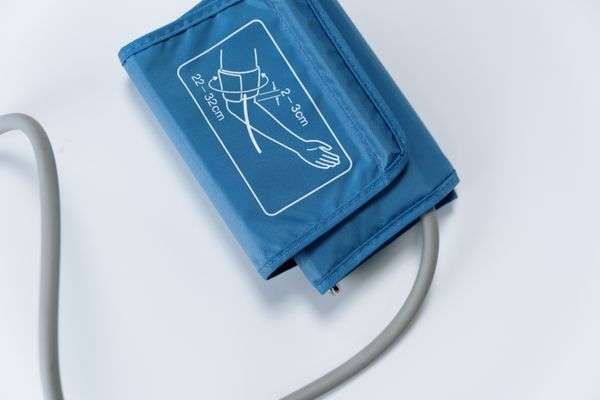
You cannot manage what you do not measure. A home monitor is available without a prescription at most stores, and the Mayo Clinic recommends checking at home to confirm your lifestyle changes are actually working. Measure at the same time of day, seated and rested, and keep a log. This also solves the white-coat problem: one nervous reading at the clinic tells you far less than a week of calm morning readings at home. Talk to your healthcare professional about home monitoring before you start, and bring the log to your appointments.
Manage cholesterol and blood sugar too
High blood sugar and unhealthy cholesterol do not directly change blood pressure, but they raise heart disease risk through the same arteries, and the same habits move all three. Eat healthy, exercise more, lose extra weight, do not smoke. That overlap is why I keep pairing these topics: the cholesterol guide and this blood pressure guide are really two chapters of the same book.

My Take
I am not a doctor, and this is not medical advice. It is what I have actually lived, and it maps onto the science above in ways I did not expect when I started.
The stress chapter of my life taught me the exercise lesson before I ever read a guideline. Years ago I was managing a chaotic production in Jamaica, crew drama, hangovers, genuine danger, the kind of stress that does not switch off at night. To cope, I worked out like a maniac. First thing every morning I ran to the Caribbean Sea and jumped in, swam for about an hour, shot all day, then hit the gym and lifted weights at night. I got the darkest I have ever been and had a six pack, but the real point was survival: as I wrote in my book, exercise has direct stress-busting benefits, it pumps you up with natural endorphins, and without it I would have gone absolutely insane. That was my blood pressure strategy before I knew it had a name. Chronic stress drives pressure up; daily hard movement is how I have always bled it off.
The second piece came later, during the long fasts I describe in my book. I did 40-hour fasts, then an 84-hour fast, and to get through the mental game I used guided meditations on YouTube and a device called the Silent Mode mask, a wraparound mask with speakers and memory foam that blocks out light and plays tracks designed for relaxation, breathwork, and sleep. The tracks were built around vagus nerve activation, the parasympathetic control of the heart, lungs, and digestive tract, and with practice the idea was to learn to switch off easily. I used it throughout the 84-hour fast. Whatever you think of the gadget framing, the underlying practice is exactly what the Mayo Clinic and the American Heart Association describe: slow breathing, deliberate relaxation, downshifting the nervous system on purpose. Stress management is not a spa concept. It is a cardiovascular input.
And on the food side, I will be honest about what my book claims and what it does not. In it I note that studies have suggested fasting may help lower blood pressure and reduce heart disease risk, but I present that as reported research, not settled fact, and I treat it that way here too. What I actually practice is simpler and matches the DASH pattern without the label: real food, vegetables, protein, less processed salt, and long stretches of the day where my body is not digesting anything. Nothing in this post replaces a doctor’s plan, and I have never claimed my routines would work for anyone else’s body. But the pattern across two decades is consistent: move hard, breathe deliberately, eat simply, and the numbers tend to follow.
Want more of this in your inbox? I send a short email whenever a new health video guide goes live on The Biohack, plus the occasional longer note on what I am testing on myself. Drop your email in the signup box below and you will get the next one.
Frequently Asked Questions
How long does it take to lower blood pressure naturally?
There is no fixed timeline, and anyone selling you one is guessing. What the evidence says: individual habits move readings by single-digit millimeters of mercury, exercise 5 to 8, sodium reduction 5 to 6, a healthy diet up to 11, and those effects build while the habits continue. The Mayo Clinic frames lifestyle change as something that might prevent, delay, or lessen the need for medicine, which is a long game, not a 30-day fix. Measure at home, keep a log, and judge by the trend over weeks, not by any single morning.
Can you lower blood pressure without medication?
For many people, yes, lifestyle changes alone can bring blood pressure into a healthy range, and the video’s whole premise is that doctors want patients to pull these seven levers first. The CDC likewise lists lifestyle steps as the first line of prevention. But whether medication is needed is a decision for you and your doctor, not a blog post. Never stop or skip prescribed blood pressure medication on your own. If your readings are consistently at or above 130/80, talk to your healthcare team about a plan that includes the seven steps above.
What foods lower blood pressure the fastest?
No single food drops blood pressure overnight, despite what viral videos claim. What the evidence supports is a pattern: the DASH eating plan, rich in fruits, vegetables, whole grains, and low-fat dairy, can lower systolic pressure by up to 11 mmHg, and potassium-rich foods like leafy greens, beans, potatoes, and bananas help the body shed sodium. Think weeks of a pattern, not one magic meal.
Does caffeine raise blood pressure?
It can cause a short-term rise, but sensitivity varies widely from person to person. That is why the video lists limiting caffeine as one of the seven changes rather than banning it outright. The practical test: check your pressure before your morning coffee and again about 30 minutes after. If it jumps consistently, cutting back is an easy win. Energy drinks and high-dose pre-workouts deserve the most caution.
What is a normal blood pressure reading?
Under current ACC/AHA guidelines, normal is below 120/80 mmHg, and hypertension is diagnosed when readings are consistently at or above 130/80. Blood pressure fluctuates through the day with activity and stress, so one reading is never the whole story. Home monitoring over a week gives a far better picture than a single clinic visit.
This content is for education only and is not medical advice. High blood pressure is a serious condition. Talk to your doctor before making changes, especially if you take medication or have heart, kidney, or other health conditions.
What is the one change on this list you have been putting off, and what would make this the week you start? Tell me in the comments.
