
Knowing how to lower blood pressure naturally matters more than most people realize, because high blood pressure is one of the quietest threats to your health. It usually has no symptoms. You can have it for years without a clue, while it silently strains your heart, arteries, kidneys, and brain. The good news is that for many people, lifestyle changes can move the numbers meaningfully, sometimes as much as medication does. This guide walks you through an original summary of a Cleveland Clinic cardiologist’s video on the natural approaches that work, what the research actually shows, and nine concrete strategies you can start this week. You will also get my own take, from years of fasting, breathwork, and daily training, on what actually helped me.
On this page:
- Watch the Video
- What High Blood Pressure Actually Is
- What the Cleveland Clinic Cardiologist Gets Right
- 9 Ways to Lower Blood Pressure Naturally
- My Take: What I Do for My Own Heart
- Frequently Asked Questions
Watch the Video

The video is from Cleveland Clinic‘s “Ask the Expert” series and features cardiologist Luke Laffin, MD. In a few minutes he covers what hypertension is, what causes it, whether stress and anxiety can raise it, whether certain foods are to blame, the natural ways to bring it down, and what to do if your numbers are already high. It is short, clinician-delivered, and free of hype, which is exactly why I picked it. The video’s own notes point to Cleveland Clinic’s full hypertension guide for more depth, and I have linked that below along with the studies behind the strategies in this article.
What High Blood Pressure Actually Is
Blood pressure is the force of blood pushing against your artery walls as your heart pumps. It is written as two numbers: systolic (the pressure when your heart beats) over diastolic (the pressure between beats). Normal is below 120/80. Once you are consistently at or above 130/80, you are in hypertension territory.
Hypertension is often called the silent killer because it rarely announces itself. Cleveland Clinic notes that you could have high blood pressure for years without any symptoms at all. The World Health Organization estimates that 44 percent of adults with hypertension do not even know they have it. That is why a cuff reading matters more than how you feel.
When pressure stays high, the damage accumulates. Cleveland Clinic explains the mechanisms plainly: extra fluid in your circulatory system raises pressure, and salty foods draw fluid in. Your nervous system, kidney function, and regulatory hormones all play a role. Most cases are primary hypertension, meaning no single driver is behind it, just aging, genetics, and lifestyle factors compounding over time. A smaller share is secondary hypertension, caused by something specific like sleep apnea, kidney problems, certain medications, or stimulant drugs.
What the Cleveland Clinic Cardiologist Gets Right
Here are the video’s key points, in my own words.
Hypertension has real causes you can act on. Dr. Laffin starts with the basics: what the numbers mean and where high blood pressure comes from. The causes he walks through line up with Cleveland Clinic’s published guidance: fluid and salt balance, the nervous system, the kidneys, and in some cases medications or underlying conditions. Knowing which bucket you fall into matters, because secondary hypertension sometimes has a fixable cause.
Stress and anxiety genuinely move the needle. One chapter of the video tackles whether stress can raise blood pressure. The short answer is yes, at least in the moment. Stress hormones tighten blood vessels and raise heart rate. Occasional spikes are not the same as chronic hypertension, but a life running on constant stress keeps the system closer to the edge, and it also nudges people toward the habits that raise pressure: poor sleep, alcohol, salty comfort food.
Some foods really do push pressure up. Dr. Laffin addresses the food question directly. The biggest dietary lever is sodium. The American Heart Association explains the mechanism with a simple picture: excess sodium pulls water into your blood vessels, which increases the volume of blood flowing through them, so pressure rises. It is like turning up the water supply to a garden hose. More than 70 percent of the sodium most people eat comes from packaged, prepared, and restaurant foods, not the saltshaker.
Natural strategies come before, or alongside, medication. The core of the video is the chapter on natural ways to lower blood pressure. Dr. Laffin walks through the lifestyle levers a cardiologist actually recommends: diet changes, regular movement, managing stress, and watching the numbers. He closes with what to do if you already have hypertension, which is the honest part: lifestyle works for many people, but some will still need medication, and stopping a prescription without a doctor is never a do-it-yourself project.
9 Ways to Lower Blood Pressure Naturally
These are the strategies with the best evidence behind them. None requires a prescription. Start with whichever one feels easiest, because the plan you will actually keep is the one that works.
1. Cut back on sodium, especially the hidden kind
The Dietary Guidelines for Americans recommend less than 2,300 milligrams of sodium a day, but most of us eat about 3,400 milligrams, roughly 50 percent more. And the salt you can taste is not the problem. According to the American Heart Association, more than 70 percent of dietary sodium comes from packaged, prepared, and restaurant foods. Their list of top sodium sources reads like a tour of the modern grocery store: breads and rolls, pizza, sandwiches, cold cuts and cured meats, soups, burritos and tacos, savory snacks, poultry dishes, cheese, and even some breakfast cereals.
Practical moves: cook more meals at home where you control the salt, flavor food with herbs, garlic, lemon, and spices instead of reaching for the shaker, rinse canned beans and vegetables, and compare Nutrition Facts labels to pick the lower-sodium option. The evidence here is strong: even modest sodium reduction blunts the rise in blood pressure that comes with aging, and one study cited by the AHA found that a week on a very low-sodium diet cut systolic pressure by 7 to 8 mmHg in 70 percent of participants. Read the American Heart Association’s sodium guide for their full list of tips.
2. Eat the DASH way: more produce, more potassium
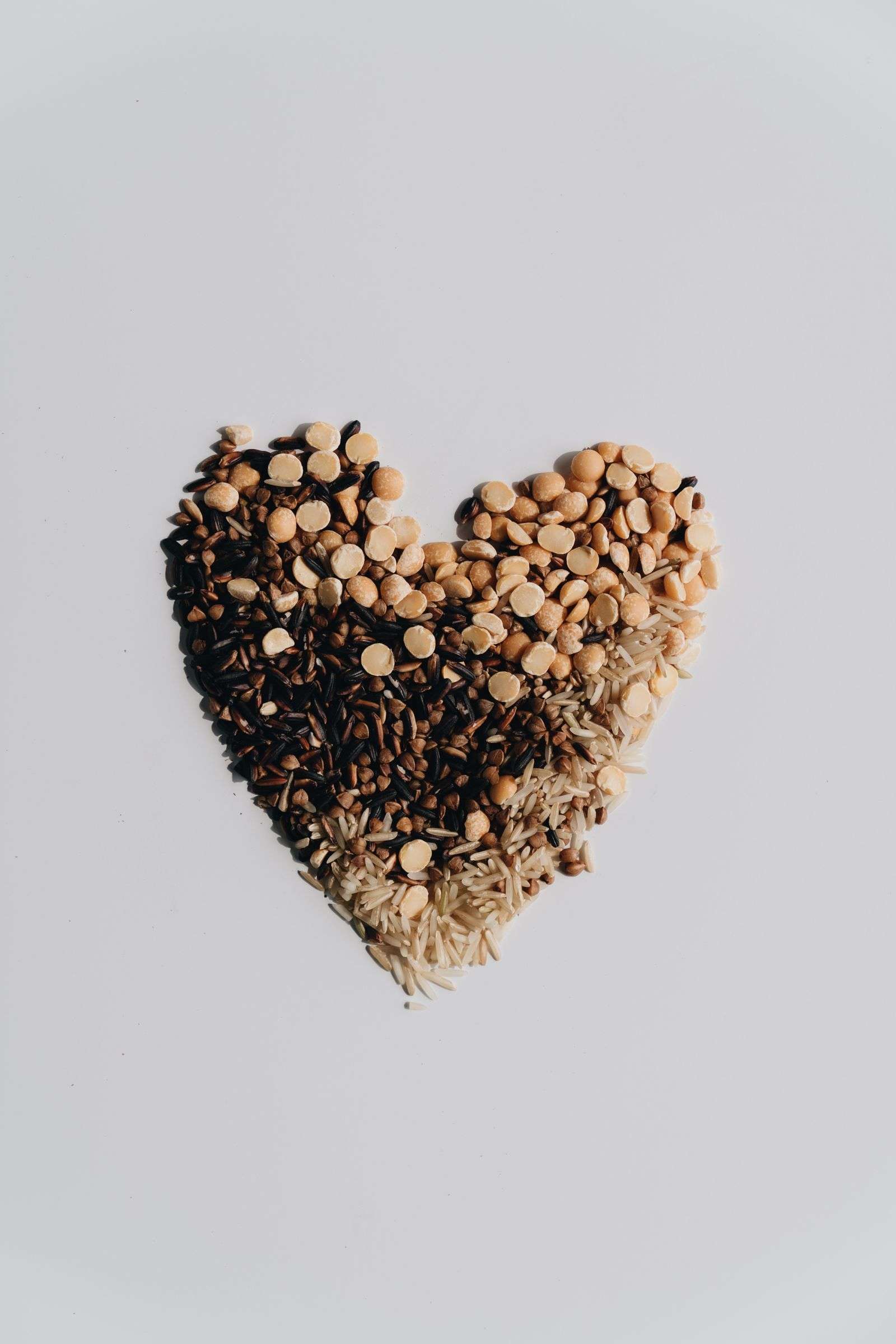
The DASH eating pattern (Dietary Approaches to Stop Hypertension) is the most studied dietary approach to blood pressure. It is not a branded diet, just a pattern: lots of fruits and vegetables, whole grains, legumes, nuts, and low-fat dairy, with limited red meat, sweets, and sodium. Potassium-rich foods deserve special attention because potassium helps balance sodium’s effects. Bananas, spinach, sweet potatoes, avocados, tomatoes, beans, yogurt, and oranges are all strong sources.
This is also where my diet posts connect. Many of the same foods that support healthy cholesterol also support healthy blood pressure, which is why I wrote my video guide to foods that lower cholesterol fast. The overlap is not a coincidence. The same eating pattern protects the whole cardiovascular system. For a complete eating pattern that puts the DASH principles into practice, see this cardiologist’s breakdown of the Mediterranean diet for heart health and the 30% cardiovascular risk reduction seen in the PREDIMED trial.
3. Move for 30 minutes a day
If there is one natural blood-pressure drug, it is aerobic exercise. A meta-analysis of 93 randomized trials with more than 5,200 participants, published in the Journal of the American Heart Association, found that endurance training lowered systolic pressure by 3.5 mmHg on average across all participants, and by 8.3 mmHg systolic and 5.2 mmHg diastolic in people who already had hypertension. That is in the same ballpark as some medications. Dynamic resistance training helped too, especially for people in the prehypertension range. Read the full meta-analysis on PubMed if you want the numbers by training type.
You do not need to become a marathon runner. Brisk walking, cycling, swimming, or dancing for about 30 minutes on most days is the standard recommendation, and even three 10-minute sessions in a day count. A stronger heart pumps more efficiently with less effort, which is the whole mechanism.
4. Calm your nervous system on purpose
Stress raises blood pressure in the moment, and chronic stress keeps it elevated while steering you toward the habits that make it worse. Slow breathing, meditation, yoga, and even a few minutes of quiet outdoors can shift the nervous system out of fight-or-flight mode. I cover the practical techniques in my guide to lowering cortisol naturally, and every one of them doubles as a blood-pressure strategy. The link between stress hormones and blood pressure is not mystical. It is physiology, and it responds to daily practice.
5. Lose the extra weight, even a little
Blood pressure and body weight track closely. Losing even 5 to 10 percent of body weight can produce a meaningful drop in pressure. Fasting is one tool that worked for me personally, which I detail below, but any sustainable approach counts. If you are curious about fasting, my beginner’s guide to intermittent fasting covers the methods, the research, and the beginner mistakes to avoid. The goal is not a crash diet. It is a body composition your heart does not have to work overtime to serve.
6. Sleep seven to eight hours
Poor sleep is an underrated blood-pressure driver. During healthy sleep, blood vessels recover from the day’s stress, and without enough of it, stress hormones stay elevated and pressure creeps up. Sleep apnea is even listed by Cleveland Clinic as a cause of secondary hypertension. Keep a consistent bedtime, make the room dark and cool, and limit screens before bed. If sleep itself is the struggle, my guide to magnesium glycinate for sleep walks through one well-studied option. Treat sleep as a blood-pressure intervention, because it is one.
7. Limit alcohol
Regular heavy drinking is one of the clearest dietary drivers of hypertension. Cleveland Clinic lists drinking too much alcohol among the risk factors. The standard guidance is no more than one drink a day for women and two for men, and less is better. Alcohol also disrupts sleep, which circles back to strategy six. If you drink most evenings, cutting back is one of the highest-leverage changes on this list.
8. Quit smoking and nicotine
Every cigarette raises blood pressure temporarily, and the chemicals in tobacco damage blood vessel walls over time, which is how temporary spikes turn into lasting hypertension. Cleveland Clinic lists smoking among the top risk factors. Quitting is the single hardest item on this list and also one of the most powerful. The cardiovascular benefits begin within days of the last cigarette.
9. Monitor your blood pressure at home
You cannot manage what you do not measure, and hypertension’s whole danger is that you cannot feel it. A home cuff costs little and turns an abstract risk into a number you can track week to week. Measure at the same time each day, seated and rested, and keep a simple log. Watching the trend is motivating, and it gives your doctor real data if medication ever enters the picture.
My Take: What I Do for My Own Heart
I am a photographer, not a cardiologist, and I say that up front because the video above is the medical authority here, not me. But I have spent years experimenting on my own body and writing about it in my book, and a few of those experiments connect directly to blood pressure.
The biggest one is fasting. In my book I describe going from 185 pounds to 165 pounds over two months of intermittent fasting, with my weight stabilizing there. I also wrote about studies suggesting fasting may help lower blood pressure and reduce heart disease risk. I present that the way my book presents it, as a promising signal from early research, not settled science. What I know firsthand is that the weight came off, my stomach flattened, and I have kept the habit of training in a fasted state, which sharpened my muscle definition and left me feeling better than I did in college.
The second is breathwork. I wrote in my book about the vagus nerve, which governs the parasympathetic control of the heart, lungs, and digestive tract. Through a device I used during long fasts, I learned breathwork and meditation routines that train that nerve the way you train a muscle, building what I called a shield against stress and an ability to switch off easily. Slow, deliberate breathing is one of the few tools that can lower your heart rate and pressure in real time, and it costs nothing.
The third is daily movement. My book talks about my morning workouts, running on the beach, swimming in the ocean, and lifting weights. I wrote that exercise has direct stress-busting benefits because it pumps you up with natural endorphins, and that without it I would have gone insane during an intense stretch of my life. That was about mental health at the time, but the meta-analysis above gives it a cardiovascular receipt: the people with the highest blood pressure got the biggest drops from endurance training.
None of this replaces the video’s advice or your doctor’s. But the pattern across all three is the same one Dr. Laffin teaches: the boring fundamentals, done daily, are what move the numbers.
If you want one new habit in your inbox every week, join The Biohack newsletter. I send practical health breakdowns like this one, with the studies linked and the hype stripped out. The signup form is right below this post.
Frequently Asked Questions
Can high blood pressure be lowered without medication?
For many people, yes, especially in the prehypertension and early hypertension stages. The strategies in this guide, sodium reduction, regular exercise, weight loss, stress management, and better sleep, are the same ones cardiologists recommend first. But not everyone can get there on lifestyle alone, and that is not a failure. If your doctor has prescribed medication, do not stop it because a blog post, or a video, made lifestyle sound sufficient. The safest path is to build the habits and let your doctor decide whether the dose can come down.
Does drinking water help lower blood pressure?
Not directly. Water does not lower blood pressure the way medication does. Staying hydrated matters for overall health, but the blood-pressure mechanism runs through sodium and fluid balance: excess sodium pulls water into your vessels and raises pressure, as the American Heart Association explains. Drinking extra water on top of a salty diet does not undo that. Fix the sodium first, stay normally hydrated, and do not expect water alone to move the numbers.
Is deep breathing effective for quickly lowering blood pressure?
It can produce small, short-term dips by calming the nervous system, which is consistent with the vagus nerve mechanism I describe in My Take. Slow breathing is a legitimate in-the-moment tool, and a daily practice may contribute to lower baseline stress. But it is not a treatment for hypertension. Think of it as a complement to the bigger levers, exercise, diet, weight, sleep, not a replacement for them.
This article is for educational purposes only and is not medical advice. Blood pressure is a medical condition. Talk to your doctor before making changes, and never stop prescribed medication without medical guidance.
What is the first change you will try: cutting sodium, moving daily, or fixing your sleep? Let me know in the comments.
