
The Mediterranean diet for heart health is the most studied eating pattern in the world, and for good reason. In the landmark PREDIMED trial, adults at high cardiovascular risk who followed a Mediterranean diet supplemented with extra-virgin olive oil or nuts had roughly 30 percent fewer heart attacks, strokes, and cardiovascular deaths than a control group. That is not an observational correlation. That is a randomized trial result, and it is why the American College of Cardiology and the American Heart Association strongly recommend a Mediterranean-type eating pattern to reduce cardiovascular events.
But dietary guidelines in 2026 have gotten noisy. So a board-certified cardiologist, Dr. Alo, sat down to cut through the confusion and share the exact guidelines he gives his own patients. His advice is refreshingly simple: calorie-controlled, Mediterranean style, high fiber, and low in saturated fat. Here is what the evidence says, what the video explains, and how I think about it from my own life.
Table of Contents
What the Mediterranean diet actually is
The heart-health evidence: PREDIMED and beyond
How the Mediterranean diet protects your heart
7 rules from a cardiologist’s playbook
My Take: why this eating pattern fits how I actually live
Mediterranean diet for heart health FAQ
Watch the Video
Watch Dr. Alo explain it in his own words:

In “Mediterranean Diet vs. Government Guidelines: Which One Wins?”, the cardiologist opens with a warning: the new government dietary guidelines, which put butter, beef, cheese, and fatty steak near the top of the pyramid, go against a century of heart research. He then lays out the guidelines he actually gives his patients. Here are the key points from the video, in my own words.
It starts with calories, not a magic food. His baseline rule is disarmingly simple: add a zero to your weight. At 180 pounds, that is roughly 1,800 calories a day as a starting point for weight loss. No supplement, superfood, or single ingredient outruns total energy intake.
The foundation is Mediterranean style. Fruits and vegetables in abundance. Nuts, beans, and legumes. Plenty of fiber, which on its own can lower LDL cholesterol by about 5 to 7 percent. This is not a prescription diet with a meal plan. It is a pattern of eating built from whole, minimally processed foods.
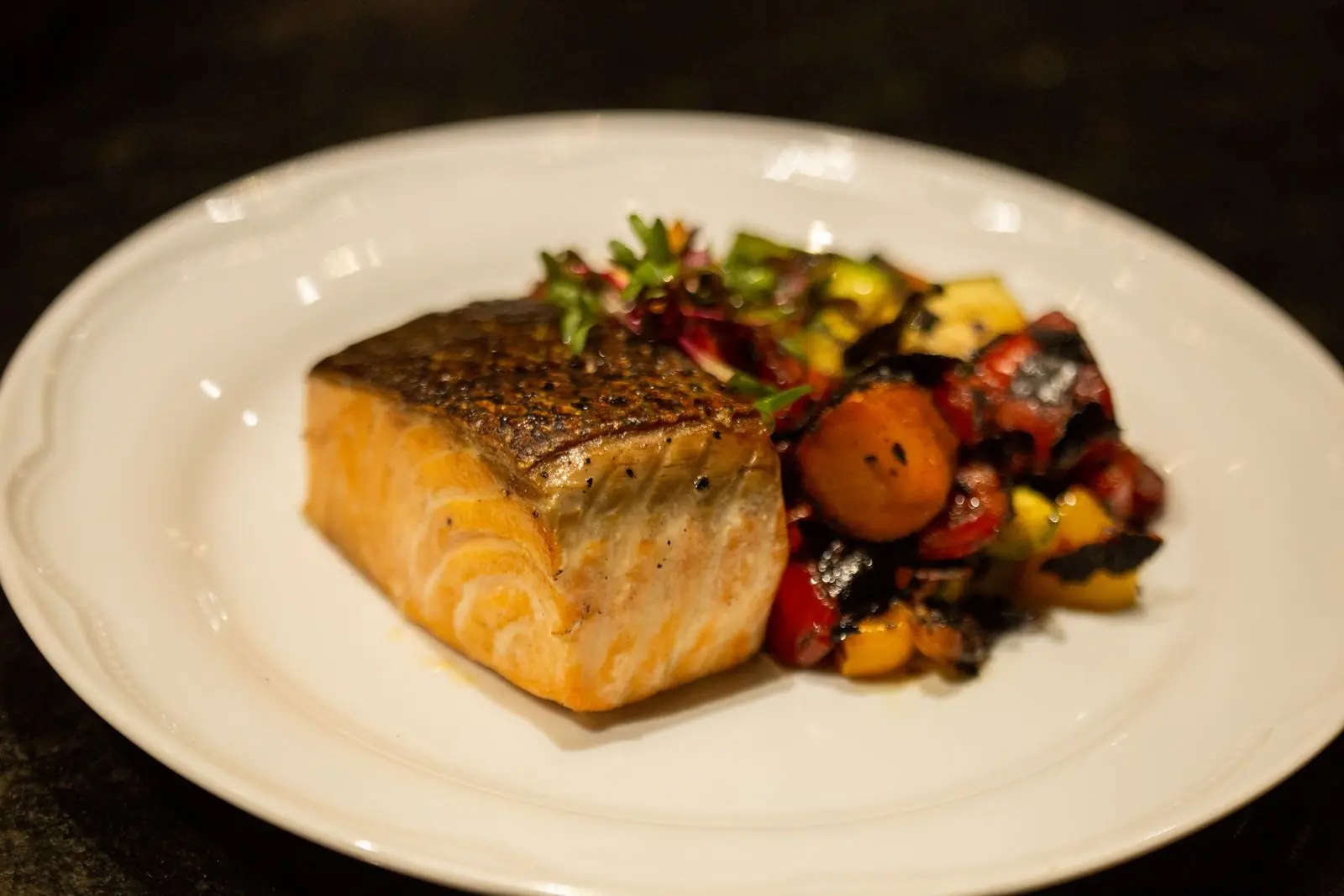
Lean protein, especially fatty fish. Chicken, turkey, and fatty fish like salmon and mackerel are his go-to proteins. And here is a point worth remembering: eating fish is not the same as taking fish oil supplements. In the trials, fish oil pills have not improved heart outcomes, and some studies have even found an increased risk of atrial fibrillation with them. The benefit comes from the fish, not the capsule.
Less salt, more potassium, no alcohol. These are the same principles behind the DASH diet, which was designed to lower blood pressure. Most sodium in modern diets comes from processed foods, so cutting processed food does double duty.
The single biggest lever: cut saturated fat. Butter, cheese, bacon, lard, tallow, ghee, and coconut oil are the fats to reduce. Replace them with liquid oils like canola, olive, and avocado oil. This one change moves the needle more than almost anything else on a plate.
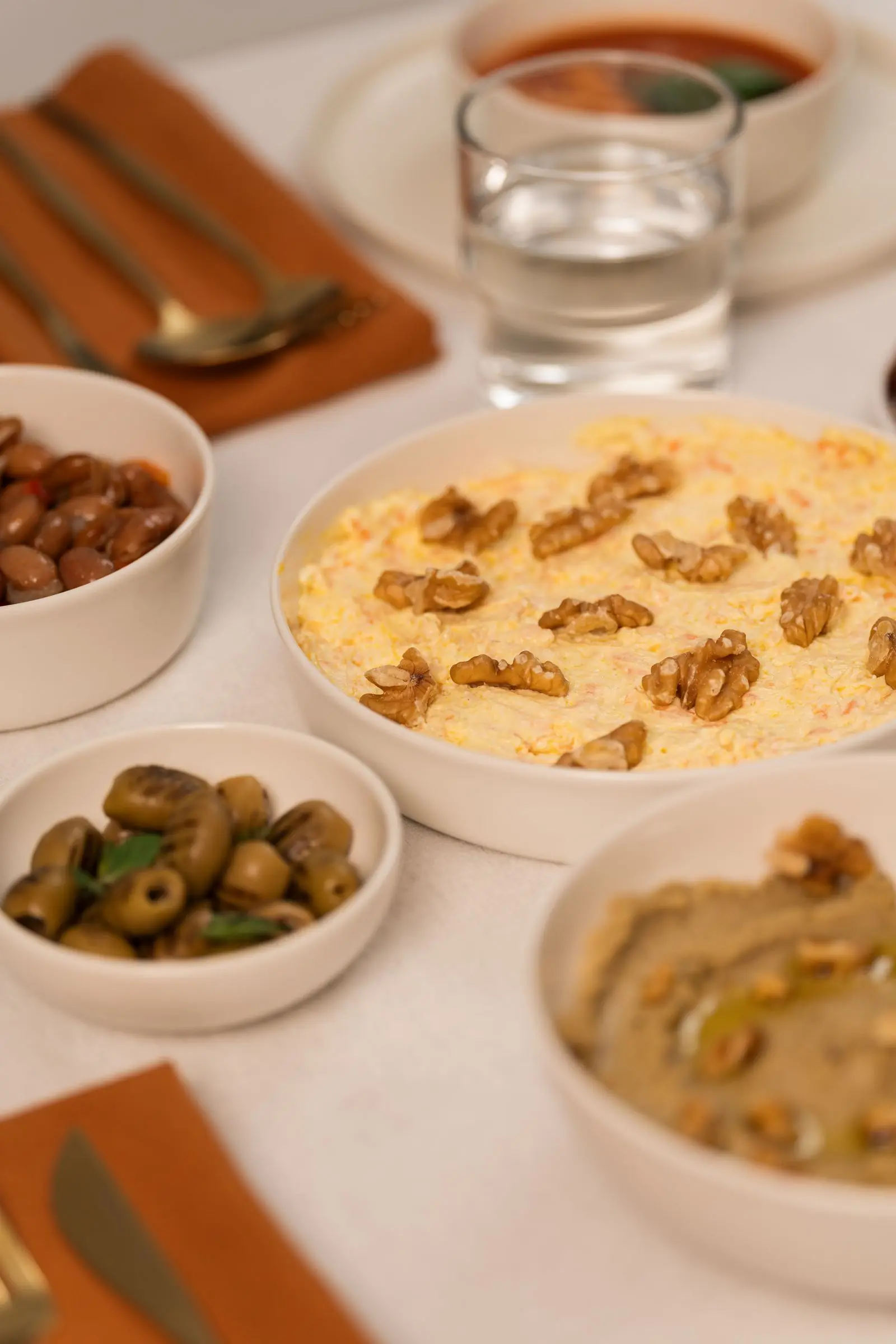
What the Mediterranean Diet Actually Is
A peer-reviewed review of the PREDIMED trial describes the traditional pattern this way: abundant use of olive oil; high consumption of plant foods including fruits, vegetables, legumes, cereals, nuts, and seeds; moderate intake of wine with meals; moderate consumption of fish, seafood, fermented dairy products like yogurt and cheese, poultry, and eggs; and low consumption of red and processed meat and sweets.
A few things that follow from that definition. First, it is a pattern, not a rulebook. Researchers credit the overall pattern, not any single food, for the results. Second, the version that produced the trial evidence was mostly plants, with olive oil or nuts as the defining fats. Third, it is genuinely enjoyable to eat, which is why people can stick with it. Adherence is where most diets fail, and the Mediterranean pattern has a decades-long track record of people actually keeping it up.
The Heart-Health Evidence: PREDIMED and Beyond
Here is the study that changed everything. The PREDIMED trial enrolled 7,447 men and women in Spain, ages 55 to 80, all at high cardiovascular risk but without existing heart disease. Researchers assigned them to one of three groups: a Mediterranean diet supplemented with extra-virgin olive oil, a Mediterranean diet supplemented with mixed nuts (walnuts, almonds, hazelnuts), or a low-fat control diet. Nobody was told to restrict calories, and nobody was told to exercise more.
After a median of 4.8 years, 288 major cardiovascular events had occurred: heart attacks, strokes, and cardiovascular deaths. The adjusted hazard ratios versus the control group were 0.70 for the olive-oil group and 0.70 for the nuts group. In plain language: both Mediterranean diet groups had roughly 30 percent fewer major cardiovascular events. Participants also showed beneficial effects on blood pressure, lipid profiles, inflammation, oxidative stress, and insulin sensitivity.
This was primary prevention, in people who had not yet had a cardiac event. In secondary prevention, the evidence is even stronger. The ACC/AHA chronic coronary disease guidelines, summarized by the American Academy of Family Physicians, state that a Mediterranean diet can reduce cardiovascular events by up to 65 percent in under four years in people with established coronary disease, while improving hypertension, dyslipidemia, diabetes, and obesity. Based on moderate-quality evidence, the guidelines strongly recommend a Mediterranean-type diet emphasizing vegetables, fruits, legumes, nuts, whole grains, and lean protein to reduce cardiovascular events.
For context, this is a stronger evidence base than almost any other eating pattern has. The healthiest diet has barely changed in 30 years, as Dr. Alo puts it in the video: calorie-controlled, Mediterranean style, high fiber, low in saturated fat.
One honest caveat. The PREDIMED trial had a correction history: the investigators discovered randomization deviations at some sites, and the 2018 republication re-analyzed the data adjusting for baseline characteristics. The effect estimates came out essentially the same, and the peer-reviewed review used in this article confirms the 30 percent figure. It is still the best dietary evidence in cardiology, but it is worth knowing the history.
How the Mediterranean Diet Protects Your Heart
It improves the cholesterol picture
Replacing saturated fat with unsaturated fat lowers total and LDL (“bad”) cholesterol. The soluble fiber in beans, lentils, oats, fruits, and vegetables binds cholesterol in the digestive tract and carries it out, which is where the 5 to 7 percent LDL reduction from fiber comes from. For a deeper look at which foods move cholesterol most, see our guide to foods that lower cholesterol fast
It supports healthy blood pressure
The pattern is rich in potassium (vegetables, beans, fruit) and magnesium, naturally low in sodium compared to a typical Western diet, and high in fiber. The PREDIMED trial showed blood-pressure benefits, and the closely related DASH diet, which shares most of the same food groups, lowered systolic pressure by about 11 mmHg in people with hypertension, similar in magnitude to some single-drug therapies. If blood pressure is your specific target, here are ways to lower blood pressure naturally
It calms inflammation
Chronic inflammation drives plaque buildup in arteries. The Mediterranean pattern delivers polyphenols from olive oil and nuts, antioxidants from fruits and vegetables, and omega-3 fatty acids from fish, all of which lower inflammatory markers. PREDIMED’s biomarker analyses confirmed reductions in inflammation and oxidative stress, and even favorable effects on the expression of pro-atherogenic genes.
It improves blood sugar control
The EVOO-supplemented Mediterranean diet group in PREDIMED showed a striking 40 percent lower risk of developing type 2 diabetes among non-diabetic participants. High-fiber foods slow glucose absorption, and replacing refined starches with whole grains and legumes reduces blood-sugar spikes. Since diabetes is itself a major cardiovascular risk factor, this effect compounds the direct heart benefits.
7 Rules From a Cardiologist’s Playbook
These are Dr. Alo’s guidelines from the video, reorganized as a practical checklist. They track the evidence closely, so I am presenting them here in my own words with the science behind each one.
1. Know your calorie baseline. Add a zero to your weight in pounds. At 180 pounds, that is about 1,800 calories a day to start losing weight. Adjust from there. Portion awareness comes before everything else.
2. Make olive oil your default fat. Extra-virgin olive oil is the defining fat of the Mediterranean pattern, supplying monounsaturated fats that lower LDL. Use it for cooking and for salads and dressings. The PREDIMED participants got a full liter a week.
3. Eat fish twice a week, minimum. Salmon, mackerel, sardines, herring, anchovies. The omega-3s in fatty fish may lessen inflammation, lower triglycerides, and affect blood clotting. And skip the fish oil pills as a substitute: the trials do not support them, and they may raise atrial fibrillation risk.
4. Eat fiber on purpose. Beans, lentils, chickpeas, vegetables, fruits, whole grains. Fiber alone can lower LDL cholesterol by roughly 5 to 7 percent, and it feeds a healthier gut microbiome, which emerging evidence links to vascular health.
5. Cut saturated fat hard. Butter, cheese, bacon, lard, tallow, ghee, coconut oil. Cook with liquid oils instead. This is the single biggest dietary lever for heart outcomes.
6. Keep salt low and potassium high. Most sodium hides in processed food, so minimizing processed food does the work for you. Vegetables, beans, and fruit supply the potassium that helps blood vessels relax.
7. Skip alcohol, or keep it truly minimal. Dr. Alo’s guideline is no alcohol. The traditional Mediterranean pattern included moderate wine with meals, but the evidence for alcohol being protective has weakened considerably. Nothing about the diet requires wine.
Add one lifestyle note the Mediterranean way of life includes: daily movement. Walking is woven into life in the Blue Zones and Mediterranean villages. If you want an easy way to start, here is why walking after eating helps too
What to Eat and What to Limit
Eat more of: extra-virgin olive oil; vegetables of every kind (aim for 2 or more servings a day); fruit (3 pieces a day in the PREDIMED scoring); legumes (beans, lentils, chickpeas) 3 or more times a week; fish or shellfish 3 or more times a week; nuts (about 30 grams a day); whole grains (oats, barley, bulgur, quinoa, whole-grain bread); fermented dairy in moderation (yogurt, some cheese); herbs and spices instead of salt.
Eat less of: red meat and processed meat (under 1 serving a day); butter, margarine, and cream; sugary drinks; commercial pastries and sweets; added sugars generally; ultra-processed foods; excess sodium.
A typical Mediterranean day: Greek yogurt with fruit and walnuts for breakfast. A big salad with tomatoes, cucumbers, chickpeas, olives, and feta dressed in olive oil and lemon for lunch. A handful of almonds as a snack. Grilled salmon with roasted vegetables and quinoa for dinner. Fresh fruit for dessert. Nothing exotic, nothing you cannot find at a normal grocery store.
My Take: Why This Eating Pattern Fits How I Actually Live
I am not a cardiologist, and I am not going to pretend I have one in my back pocket. But this is one of the few eating patterns that lines up with how I already live, and with what I have written about for years.
In my book I wrote about my own eating habits honestly: “If I’m not eating socially, I’ll drink a smoothie or eat something healthy, something that may be vegan with low sodium.” That is my default. The Mediterranean pattern is basically the social version of that: when I do eat with people, it is vegetables, fish, olive oil, and legumes, not butter-drenched plates. I have also written that fasting “may help lower blood pressure and give you a lower risk of heart disease,” based on studies I cited in the book, and the blood-pressure mechanism in this post is the same one the DASH principles describe: less sodium, more potassium, more fiber. I want to be clear that those were the book’s claims, not settled medical science, but the direction of the evidence here is consistent.
What really resonates with me is the food culture part. When I was building my online magazine in college, I would review the best restaurants in San Francisco. “They would invite us in for a comped meal and that’s where I discovered my love for food and fine wine.” The Mediterranean way of eating is built on exactly that pleasure: meals enjoyed slowly, with people, made from real ingredients. I have traveled enough to know that the healthiest cuisines in the world are the ones people actually love. I once “feasted on some of the freshest vegetables in the world” at a village-turned-hotel in Hangzhou, China, surrounded by bamboo groves. It is the same idea, different continent: simple, fresh food eaten well.
Dr. Alo’s rules are practical enough that I can follow them without a spreadsheet. Olive oil instead of butter. Fish twice a week. Fiber on purpose. That is a playbook a real person can run, and that is the whole point.
If you want posts like this in your inbox, sign up for The Biohack newsletter below. One health-video post, every morning and evening, with the research and the commentary. It takes about ten seconds.
Mediterranean Diet for Heart Health FAQ
How does the Mediterranean diet benefit heart health?
It lowers LDL cholesterol by replacing saturated fat with unsaturated fat and adding soluble fiber; it supports healthy blood pressure through potassium, magnesium, and low sodium; and it reduces chronic inflammation via polyphenols, antioxidants, and omega-3s. In the PREDIMED randomized trial, the pattern cut major cardiovascular events (heart attack, stroke, cardiovascular death) by about 30 percent.
What foods should be included in a Mediterranean diet?
Fruits, vegetables, whole grains, legumes, nuts, and seeds daily; extra-virgin olive oil as the main fat; fish and seafood at least twice a week; moderate dairy (mostly yogurt and cheese); limited red meat and processed foods; minimal added sugar. Herbs and spices replace salt for flavor.
Can the Mediterranean diet lower blood pressure?
Yes. The pattern is rich in potassium and magnesium and naturally lower in sodium than a typical Western diet. PREDIMED showed blood-pressure benefits, and the closely related DASH diet lowered systolic pressure by about 11 mmHg in people with hypertension. Cutting processed food is the fastest way to reduce sodium intake.
Can the Mediterranean diet help with weight management?
It can. The diet is not designed as a weight-loss program, but its emphasis on filling, nutrient-dense whole foods promotes satiety, and people tend to maintain the pattern long term. As Dr. Alo notes in the video, calories still matter: the pattern works best with portion awareness.
A quick note: This article is educational content, not medical advice. The Mediterranean diet is generally considered safe for most people, but if you take medications (especially for blood pressure, cholesterol, diabetes, or blood thinning) or have a medical condition, talk with your doctor before making major dietary changes. Fish oil supplements are not a substitute for eating fish.
Have you tried eating the Mediterranean way, and what was the hardest swap for you? Tell me in the comments.
