
Dr. Steven Gundry’s yes/no food list is one of the most searched diet frameworks in the gut-health world — and for good reason. Built around the idea of avoiding lectins, it flips a lot of conventional “healthy eating” advice on its head. In the video below, Dr. Gundry himself walks through the full list: which foods make the cut, which don’t, and why.

What Is Dr. Gundry’s Yes/No Food List?
The list comes from Dr. Gundry’s work on lectins — proteins that plants produce, in his framing, as a defense mechanism against being eaten. His argument is that many foods we consider healthy can still be high in lectins, and that cutting the biggest lectin sources may support gut health. The “yes” list is what he recommends eating freely; the “no” list is what he suggests avoiding or minimizing.
The “Yes” Foods: What Dr. Gundry Says to Eat
In the video, the yes column is dominated by foods most nutrition camps already agree on — with a few Gundry-specific twists.

Vegetables and leafy greens
Dark leafy greens and cruciferous vegetables like broccoli, Brussels sprouts, cauliflower, and asparagus are firmly on the yes list. These are the foundation of the plate in Gundry’s framework — high in nutrients and, in his view, low in problematic lectins.
Healthy fats, nuts, and dairy
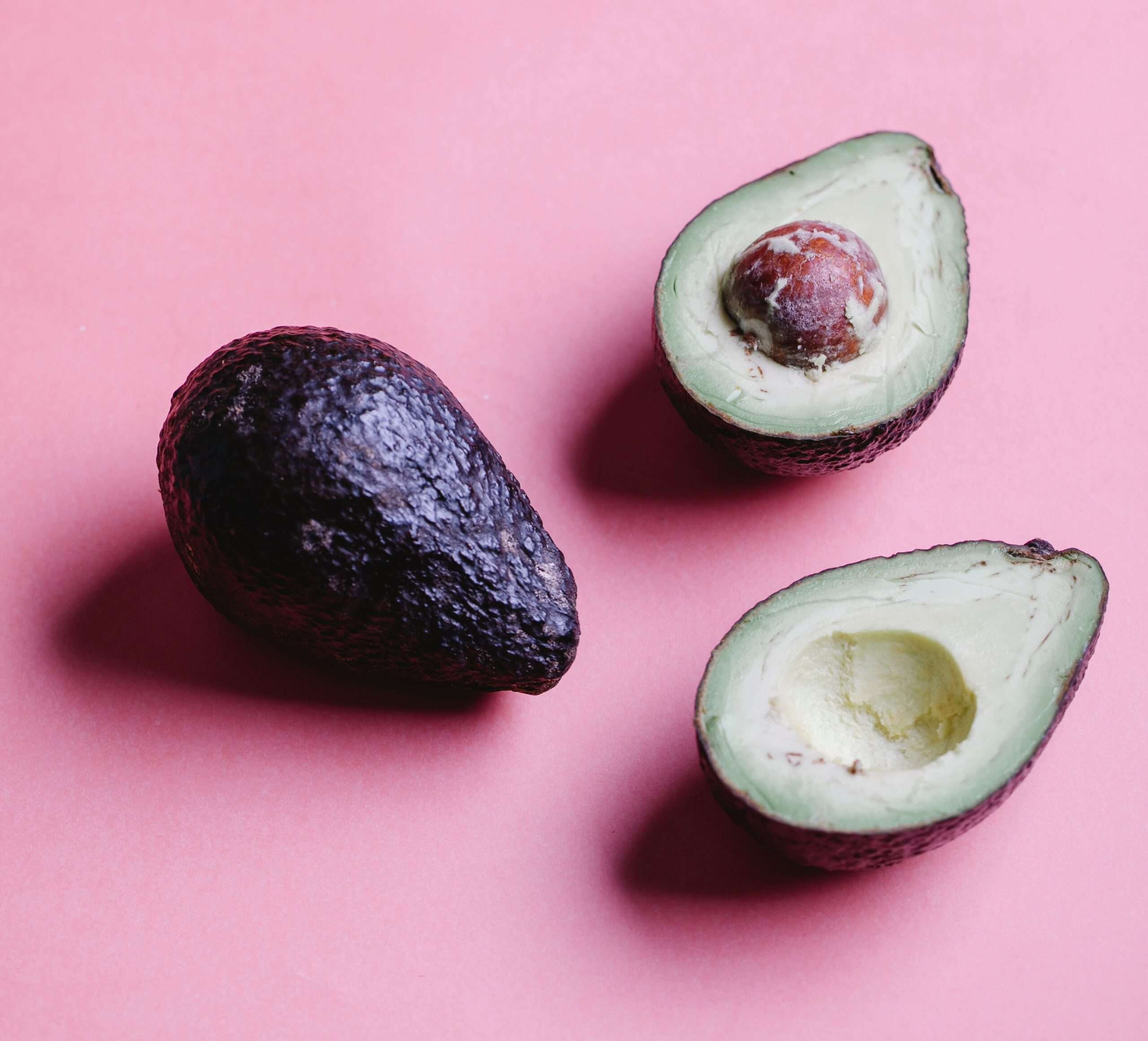
Avocado gets special praise for its low sugar content and healthy fats. Among nuts, walnuts, macadamia nuts, Brazil nuts, and pistachios make the yes list. For dairy, the distinction is about the type of casein: A2 milk, plus goat, sheep, and buffalo milk products, are preferred over conventional A1 cow’s milk. Olives and extra-virgin olive oil are also yes-list staples.
The “No” Foods: What to Limit or Avoid
Lectin-heavy staples
Beans, lentils, peas, and peanuts land on the no list, along with nightshade vegetables — tomatoes, peppers, eggplant, and white potatoes. Most grains are out too (bread, pasta, rice), with millet and sorghum named as the rare exceptions. Cashews and peanuts are out among nuts, and high-sugar fruits like ripe bananas, mangoes, and grapes are limited — while berries and green bananas get a pass in moderation.
How to reduce lectins if you eat them
One of the most practical parts of the video: if you do eat lectin-containing foods like beans or nightshades, Dr. Gundry recommends peeling them, removing the seeds (where lectins concentrate), and cooking them in a pressure cooker, which he says breaks lectins down far more effectively than boiling or baking.
What Does the Research Say?
It’s worth being straight about this: the lectin-free diet is debated. Some researchers have studied lectin restriction for specific conditions, but the broader claim — that everyone benefits from avoiding lectins — isn’t backed by strong clinical evidence, and the diet cuts out many nutritious foods like whole grains and legumes. Our own reference page on the Dr. Gundry yes/no food list covers both sides in detail. For a deeper dive into the lectin debate, see my guide to the lectin myth. Treat the list as one framework to consider, not settled science.
My Take: Why What You Eat Still Matters
I’ll be honest about where I’m coming from: my biggest dietary shift wasn’t about what I ate — it was about when. A few years ago I started intermittent fasting with a two-to-four-hour eating window each day. I usually don’t start eating until around 6pm; from morning until then it’s just water, tea, or coffee.
Before that, I thought I needed food in my system constantly to function — and because I believed that, I’d grab whatever unhealthy thing was convenient whenever hunger hit. Once I trained myself out of that pattern, the freedom was the real surprise. I stopped thinking about food all day. After about two months, I’d gone from 185 to 165 pounds, my stomach was flat, and I was in better shape than I’d been in college — friends told me I looked 25 when I was 37.
But here’s the thing fasting taught me: once your eating window is that small, what goes into it matters more, not less. Every meal has to count. That’s the lens I watch videos like this through — Gundry’s list is a “what” framework, and it pairs naturally with a “when” framework like fasting. I’m not here to tell you his list is gospel — the research section above is honest about where the evidence stands — but as someone who thinks about food in terms of systems that actually last, a shortlist of foods you trust is an idea worth taking seriously.
The deeper lesson I’ve taken from all of this — fasting included — is that consistency beats intensity. Nobody gets healthy from one perfect week. You get healthy from a simple system you can actually repeat for years. A shortlist of foods you trust, an eating window you can live with, and the discipline to stick with both: that’s the whole game as far as I’m concerned. If you’re curious about the timing side, our comprehensive guide to intermittent fasting and this breakdown of the benefits of intermittent fasting for weight loss are good places to start.
Stay in the Loop
Want one practical health breakdown like this in your inbox every morning? Join The Biohack newsletter — free, no spam, unsubscribe anytime.
Disclaimer: This article is for educational purposes only and is not medical advice. Lectin restriction isn’t appropriate for everyone, and major diet changes are worth discussing with your doctor or a qualified health professional first.
Your turn: Have you ever tried cutting back on lectins — or do you follow a completely different food philosophy? What’s actually worked for you? Drop it in the comments.
