
If you have ever stood in a grocery aisle staring at a yogurt tub that says “probiotic” and a bag of chicory-root fiber that says “prebiotic,” wondering whether they do the same thing, you are not alone. The words sound nearly identical, they sit on the same shelf, and marketers use them almost interchangeably. But prebiotics vs probiotics is not a branding distinction. It is a real biological difference, and understanding it can save you money and help you actually support your gut.
Here is the short version before we go deep: probiotics are live beneficial bacteria you consume. Prebiotics are the fiber-rich foods those bacteria eat. One adds new residents to your gut. The other feeds the residents that are already there. Most people benefit from both, but which one matters more depends on your situation. Let me walk through it.
Table of Contents
- What Are Probiotics?
- What Are Prebiotics?
- Prebiotics vs Probiotics: The Key Differences
- Watch: Probiotics and Prebiotics Explained
- How They Work Together: Synbiotics
- What the Research Actually Says
- Food First: Getting Both Without a Supplement Stack
- My Take: What I Have Learned About Gut Health
- Frequently Asked Questions
What Are Probiotics?
Probiotics are live microorganisms, mostly bacteria and some yeasts, that can provide health benefits when you consume enough of them. The word gets thrown around a lot, but the scientific definition is specific: the microbes must be alive at the time you take them, and they must be linked to a health benefit.
Common probiotic strains
The two best studied groups of bacteria are Lactobacillus and Bifidobacterium. You will see these names on yogurt labels and supplement bottles. Another notable one is the yeast Saccharomyces boulardii, which has research behind it for certain digestive issues. An important detail: effects are strain specific. One Lactobacillus strain is not interchangeable with another, even within the same species. The International Scientific Association for Probiotics and Prebiotics (ISAPP) stresses that a product should be confirmed through robust studies to have the specific benefit you are looking for.
Probiotic food sources
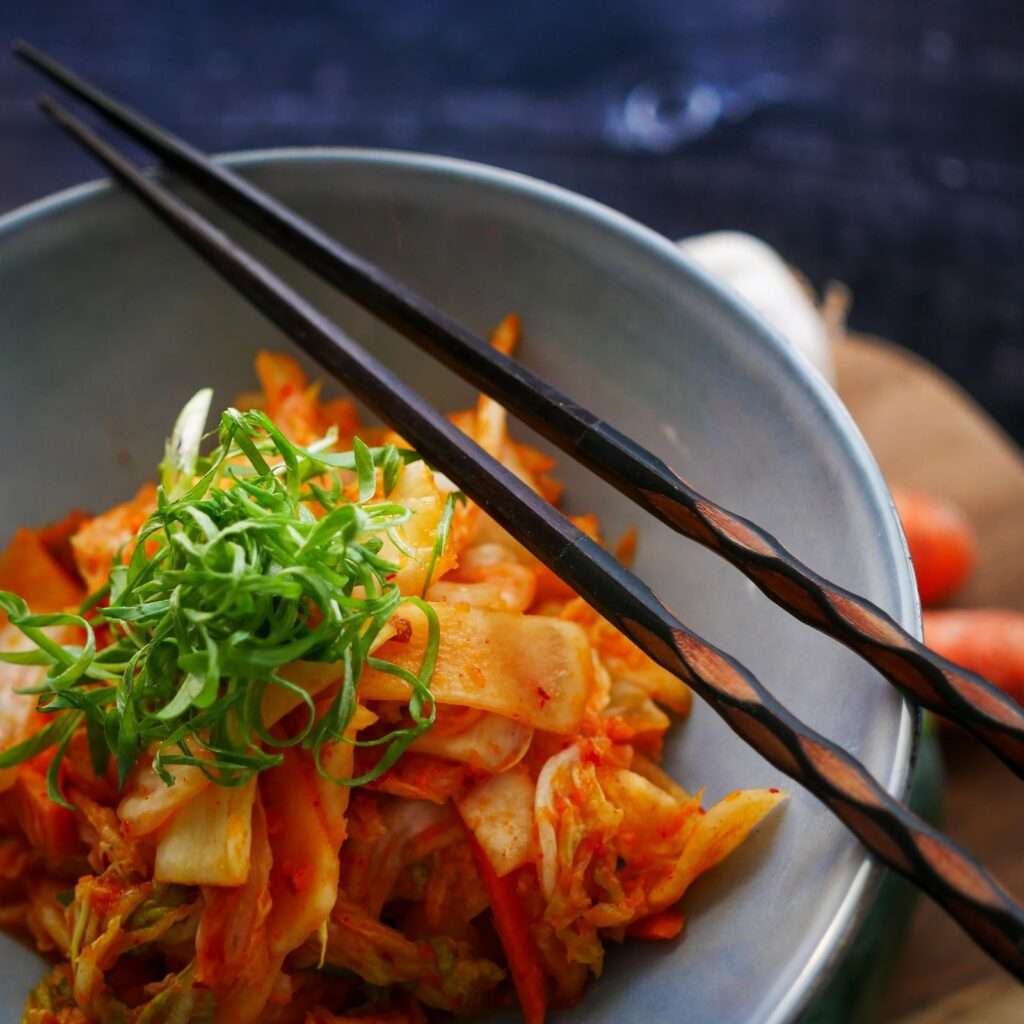
Fermented foods are the classic delivery system. Yogurt with live cultures, kefir, sauerkraut, kimchi, miso, tempeh, and kombucha all contain live bacteria. If you are shopping for supplements, my advice is to read what to look for before buying a probiotic supplement so you know which label details actually matter. For a ranked look at the fermented options specifically, see our guide to the best fermented foods for gut health.
One honest caveat worth knowing: many probiotic strains do not permanently colonize your gut. Your large intestine holds an enormous microbial population, and a standard serving of yogurt is a drop in that ocean. ISAPP notes that many probiotics act without establishing in the microbiota, for example by interacting with immune cells in the gut lining or by crowding out harmful bacteria while they pass through. That does not make them useless. It just means the picture is more subtle than “planting seeds that live there forever.”
What Are Prebiotics?
Prebiotics are non-digestible food components, mostly specialized fibers, that feed the beneficial bacteria already living in your gut. Your body cannot break them down, so they travel intact to the colon, where your resident microbes ferment them. The fermentation produces compounds called short-chain fatty acids, including butyrate, acetate, and propionate, which nourish the cells lining your colon and help maintain a strong gut barrier.
The best researched prebiotics have names you may recognize from labels: inulin, fructooligosaccharides (FOS), galactooligosaccharides (GOS), resistant starch, and beta-glucan. A prebiotic is not just any fiber. To qualify, a substance must be selectively used by host microorganisms and confer a health benefit.
Top prebiotic foods
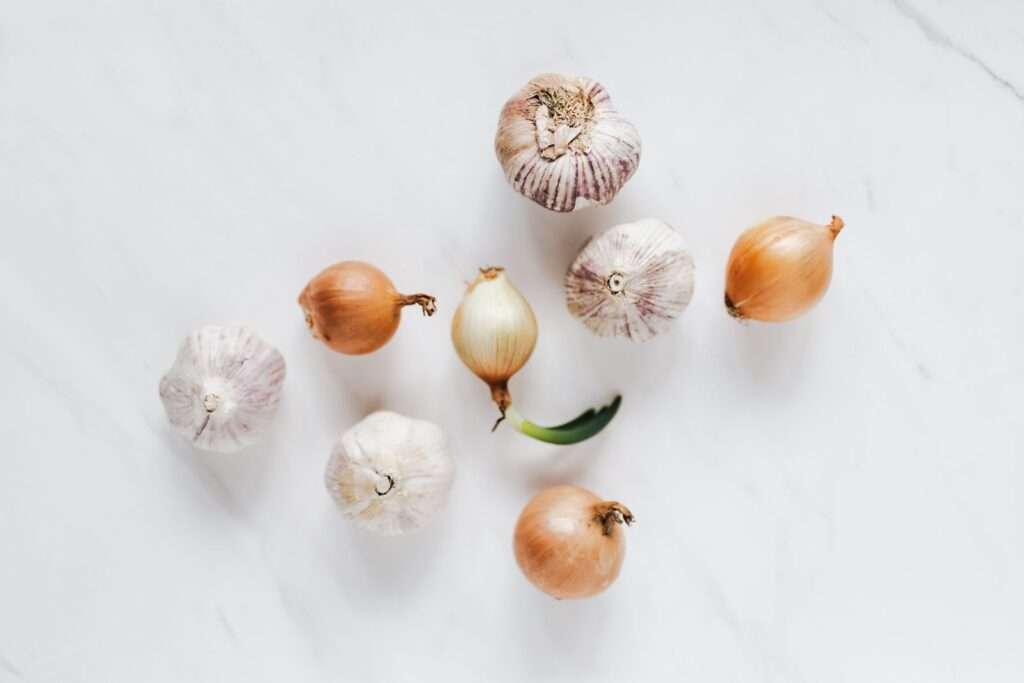
You probably already eat several of these: garlic, onions, leeks, asparagus, bananas (slightly green ones are richer in prebiotic starch), oats, barley, apples, legumes, and chicory root. This is where diet matters more than most people realize. Research summarized by Cleveland Clinic dietitians points out that most adults do not eat the 25 to 35 grams of daily fiber their gut bacteria need to thrive. If your bacteria are underfed, no probiotic capsule fully compensates for that.
Prebiotics vs Probiotics: The Key Differences
| Feature | Probiotics | Prebiotics |
|---|---|---|
| What it is | Live beneficial bacteria or yeasts | Non-digestible fibers that feed gut bacteria |
| Job | Add new good microbes to your gut | Feed the good microbes already there |
| Is it alive? | Yes, and it must stay alive to work | No, it is stable plant fiber |
| Survives stomach acid? | Only some strains, in useful numbers | Yes, fiber passes through intact |
| Survives heat? | Often killed by heat | Stable through cooking |
| Common sources | Yogurt, kefir, kimchi, sauerkraut, miso, supplements | Garlic, onions, leeks, asparagus, oats, bananas, legumes |
| Best for | After antibiotics, specific digestive complaints, targeted strain benefits | Feeding your existing microbiome daily, regularity, long-term gut support |
Think of it as a garden. Probiotics are the seeds you plant. Prebiotics are the fertilizer. Planting seeds in poor soil is a big reason people take a probiotic for a month, feel nothing, and conclude it was a waste of money.
Watch: Probiotics and Prebiotics Explained by Doctor Mike Hansen

Video summary
In this video, Doctor Mike Hansen breaks the topic down in plain language. He explains that probiotics are foods or supplements containing live microorganisms intended to maintain or improve the “good” bacteria in the body, while prebiotics are typically high-fiber foods that act as food for your gut microflora. His central question is the one everyone asks: is it better to take prebiotics or probiotics?
Two points from the video are worth highlighting because they rarely get stated clearly. First, prebiotics are generally more robust than probiotic supplements. Many probiotic bacteria die off when they meet stomach acid or heat, while prebiotic fiber feeds the good bacteria already living in your gut without being destroyed during digestion. Second, he frames the choice around your actual goal rather than hype: the right answer depends on what you are trying to fix. Watch the full video above for his walkthrough, then keep reading for the research behind these ideas.
How They Work Together: Synbiotics
When you combine probiotics and prebiotics, the pairing has its own name: synbiotics. The idea is simple. The prebiotic gives the probiotic something to eat, which may help the beneficial bacteria survive, do their job, and support the growth of your resident good bacteria at the same time.
Is the combination actually better than either alone? The International Scientific Association for Probiotics and Prebiotics explains that there are specific times when probiotics are the better choice and other times when prebiotics are, and that consuming both together may make each more effective. Reviews of the evidence suggest taking prebiotics helps probiotics work better, though researchers note more studies are still needed. For most people, taking both daily is considered safe, and getting both from food is the simplest version of a synbiotic strategy. Kefir is a natural example: it delivers live cultures plus the food those cultures thrive on.
What the Research Actually Says
Fermented foods, microbiome diversity, and inflammation
One of the most cited recent trials comes from Stanford. In a 2021 randomized study published in Cell, 36 healthy adults were assigned to either a high-fiber diet or a diet rich in fermented foods for ten weeks. The fermented-food group worked up to about six daily servings of yogurt, kefir, sauerkraut, kombucha, and kimchi. The results: the fermented-food diet steadily increased gut microbiome diversity and decreased markers of inflammation, while the high-fiber diet increased fiber-degrading capacity but did not move diversity in the same window. The authors concluded that fermented foods may help counter the decreased microbiome diversity and increased inflammation common in industrialized diets. This is one of the stronger human trials behind the “eat fermented foods” advice, and it is the reason fermented foods anchor the probiotic side of my recommendations below.
Prebiotics, bifidobacteria, and IBS symptoms
On the prebiotic side, a 12-week randomized trial tested the prebiotic galactooligosaccharide (GOS) in 44 patients with irritable bowel syndrome. The prebiotic significantly increased fecal bifidobacteria at both tested doses. Clinically, the lower dose improved stool consistency, flatulence, bloating, and overall symptom scores, while the higher dose also improved anxiety scores. The researchers concluded the prebiotic had potential as a therapeutic agent in IBS. This matters because it shows prebiotics doing something measurable in humans, not just in theory: feeding specific beneficial bacteria and easing real symptoms.
If you are not sure whether your own symptoms point to an imbalanced gut, see our guide to the signs of an unhealthy gut, explained by a gastroenterologist.
A note on what the evidence does not prove
Probiotics are one of the most oversold categories in wellness. Benefits are strain specific and condition specific, and a product that helped with antibiotic-associated diarrhea says nothing about whether it helps general “gut health.” A 2017 Cochrane review found that probiotics reduced the risk of antibiotic-associated diarrhea by about 60 percent, which is a genuinely strong finding, but it is a finding about one specific use. Keep claims tied to what was actually studied, and be skeptical of any product promising to fix everything.
Food First: Getting Both Without a Supplement Stack
If you are starting from zero, food beats pills for most people. Supplements have their place, but they work best on top of a diet that already feeds your microbiome. Here is a simple daily framework:
- One fermented food per day. A serving of yogurt with live cultures, kefir, kimchi, or sauerkraut covers the probiotic side. Rotate them for variety, since different fermented foods carry different microbes.
- Prebiotic fiber at most meals. Add garlic and onions to cooking, keep oats or barley in the rotation, snack on a banana or apple, and eat legumes a few times a week. Small, consistent amounts beat a heroic fiber binge that leaves you bloated.
- Increase fiber gradually and drink water. Jumping from a low-fiber diet to a high one overnight is the fastest route to gas and discomfort. Add one new high-fiber food every few days and stay hydrated, because fiber needs water to move comfortably through your system.
- Consider a supplement only for a specific reason. Antibiotics, persistent digestive issues, or a diet you know is low in fermented foods are reasonable triggers to look at a product, and to read what to look for before buying a probiotic supplement first.
This food-first approach also connects to the bigger picture I cover in my guide to the best foods for gut health and my breakdown of the lectin myth, since many of the same plant foods show up in both conversations. And if you want the broader dietary framework, start with improving gut health through diet.
My Take: What I Have Learned About Gut Health
I will be honest about where I stand. I am skeptical of supplement stacks, and that includes the probiotic aisle. I have watched friends spend serious money on refrigerated bottles with impressive CFU counts while eating almost no fiber, and I think that is backwards. If the bacteria have nothing to eat when they arrive, you are planting seeds in dry soil. My bias, and it is just my opinion, is to start with food.
My own experience with digestion comes mostly through fasting, which I write about in my book. When I eat all day, my body spends enormous energy digesting, and I feel it. When I fast, that load lifts. After two months of intermittent fasting I noticed my face and belly were far less puffy and bloated, and I felt like I had a new digestive baseline. Giving the system regular rest, in my experience, did more for my day-to-day comfort than any product ever has. I am not presenting that as medical science. It is what happened to me.
The other thing my book research taught me is how connected the gut is to the nervous system. The vagus nerve is a key channel of parasympathetic control over the digestive tract, which is one reason I take the stress digestion link seriously in my own life. When I am wound up, my digestion is worse. Breathwork and real rest are part of my gut routine as much as food is, because for me the gut has never been separate from everything else going on in my body.
Practically, my fermented food of choice is kombucha. During an 84-hour fast I did, I missed the taste of kombucha more than almost anything, which tells you how much of a staple it had become. These days I keep it simple: fermented foods most days, plenty of fiber from real meals, and eating windows that give my digestion a break overnight. Nothing exotic, and that is the point. The basics, done consistently, beat the exotic protocol done for two weeks.
If you want to stay in the loop on what I am
testing and learning, join the email list below. I send out new video breakdowns and experiments as they go live.
Frequently Asked Questions
Should I take prebiotics or probiotics?
It depends on your goal, and this is the honest answer the ISAPP gives too. If you want to feed and support the beneficial bacteria you already have, especially for everyday digestive regularity, a prebiotic or simply more fiber is the logical pick. If you have taken antibiotics, which wipe out large numbers of gut bacteria, a probiotic is the clearer choice, since there is strong evidence probiotics can reduce antibiotic-associated diarrhea. For general gut health, most experts land on both: they do different jobs, and each may make the other more effective.
Can I take prebiotics and probiotics together?
Yes. The combination is called a synbiotic, and for most people taking both daily is considered safe. There is some evidence that prebiotics help probiotics work better, though more studies are needed to say how large the effect is. You can also get both from food in a single meal. Kefir with a banana, or miso soup with vegetables, is a synbiotic without a capsule.
What foods are high in prebiotics and probiotics?
Prebiotic foods include garlic, onions, leeks, asparagus, bananas, oats, barley, apples, chicory root, and legumes. Probiotic foods include yogurt with live cultures, kefir, sauerkraut, kimchi, miso, tempeh, and kombucha. Aim for variety rather than eating the same one every day, since different foods support different microbes.
Do probiotics survive stomach acid?
Only some strains do, and only in useful numbers. This is one of the least understood parts of probiotics. As Doctor Mike Hansen notes in the video above, many probiotic bacteria die off on contact with stomach acid or heat, while prebiotic fiber is not destroyed during digestion. This is also why researchers emphasize that many probiotics provide benefits without permanently colonizing the gut. If this concerns you, it is another argument for the food-first approach: fermented foods plus prebiotic fiber covers you from both directions.
Health disclaimer: This article is for educational purposes only and is not medical advice. Prebiotics, probiotics, and dietary changes affect everyone differently, and supplements can interact with medications or be inappropriate for people with certain conditions, including weakened immune systems. Talk to your doctor or a qualified clinician before starting any new supplement or making major dietary changes.
What is your current gut-health routine: are you team fermented foods, team fiber, or have you tried combining both? Let me know in the comments.
