
Lectins are having a moment. A few years ago almost nobody had heard of them, and now the lectin myth has turned these plant proteins into one of the most debated topics in nutrition. One camp says lectins are quietly wrecking your gut, your insulin sensitivity, and your immunity. The other says the whole thing is overblown hype and that nobody needs to fear beans. So which is it?
This guide covers both sides: a lecture from a metabolic scientist who takes lectins seriously, plus the mainstream scientific counterarguments. By the end you will know what lectins are, how to reduce them, and whether the evidence says a lectin free diet is warranted.
Table of Contents
- What Are Lectins, Really?
- What the Science Says About the Lectin Myth
- How Dr. Bikman Connects Lectins to Gut Health and Insulin
- How to Remove Lectins From Food
- Should You Go Lectin Free?
- My Take
- Frequently Asked Questions

What Are Lectins, Really?
Lectins are a family of proteins that occur naturally in plants, and they are especially concentrated in legumes, grains, nightshade vegetables, nuts, and seeds. Their job, from the plant’s perspective, is defense. A plant cannot run away from insects, fungi, or grazing animals, so it produces compounds that make it less appetizing or harder to digest. Lectins are part of that chemical armor.
In humans, lectins are notable for one specific trait: they bind to carbohydrates. Since the cells lining your digestive tract are studded with sugar molecules on their surfaces, lectins can latch onto them. That binding ability is the entire foundation of the lectin myth. The claim is that once lectins attach to the gut lining, they irritate the tissue, pry apart the seals between intestinal cells, and set off a cascade that reaches your metabolism and immune system.
Lectins are a normal component of some of the most widely eaten foods on earth, from lentils and chickpeas to whole wheat and potatoes. So the real question is not whether lectins exist. It is whether the amounts in ordinary cooked food can do the damage their critics claim.
What the Science Says About the Lectin Myth
Before getting into the lecture itself, it helps to know where the mainstream stands, because this is where the lectin myth runs into the most friction. The skepticism is not that lectins are imaginary. It is that the strongest claims about them rest on thin human evidence.
A dietitian columnist writing for the Monterey Herald reviewed the research and noted that most of the alarming findings come from rats, not people. In one frequently cited study, the lectin dose given to rats was roughly the human equivalent of eating more than 80 slices of whole wheat bread in a day. That is a laboratory scenario, not a lunch. The same review pointed out that simply cooking beans, whole grain pasta, and similar foods inactivates the lectins, which is why the dose and the preparation matter more than the word “lectins” itself. Source
A Mayo Clinic dietitian gave the most direct verdict on the lectin myth in a 2022 question and answer column. Her answer: despite many claims, no scientific evidence shows that eliminating dietary lectins will cure any medical disorders or conditions, including autoimmune diseases. She added that lectins break down when foods are processed or cooked, so the risk of harm from lectin rich foods that are not raw is not a concern. She added that grains and legumes are nutritional powerhouses rich in B vitamins, iron, and fiber, so cutting them carries its own costs. Source
Both sides have a point: plausible biology behind lectin concern, and a genuine lack of human evidence that avoiding them cures disease. Now, the case from the video above.
How Dr. Bikman Connects Lectins to Gut Health and Insulin
Dr. Ben Bikman is a metabolic scientist and professor at Brigham Young University who researches insulin resistance and fat cell biology. In this lecture he walks through a chain of events that starts in the gut and ends in your bloodstream and fat cells. Below is my own summary of his key points.
The gut lining connection
The cells of the intestinal wall are held together by tight junctions, tiny seals that decide what passes into your blood. Dr. Bikman argues that certain lectins attach to the gut lining and disrupt those junctions, increasing intestinal permeability. If the barrier loosens, fragments of bacterial cell walls, especially lipopolysaccharides, slip into circulation and trigger low grade inflammation, a recognized driver of insulin resistance.
The insulin mimic effect
His second claim is more unusual. Dr. Bikman describes how certain lectins, particularly wheat germ agglutinin, can bind to insulin receptors and imitate insulin’s signaling. Since insulin tells fat cells to store energy, a protein that activates the same receptors could push the body toward fat storage even when insulin levels are normal. This is the mechanism he links to weight gain and metabolic dysfunction.
The wider health links
Dr. Bikman also cites research linking lectin exposure to fatty liver, cardiovascular problems, and autoimmune activity. His framing is that lectins are not just a gut issue: by raising inflammation and nudging insulin pathways, they become a whole body metabolic concern, especially for people already dealing with insulin resistance or autoimmune conditions.
Who should care, according to him
He does not recommend a lectin free diet for everyone. His suggestion is targeted: people with autoimmunity, insulin resistance, or persistent gut issues might benefit from reducing lectin intake. He recommends tracking objective markers rather than going on vibes alone, specifically C-reactive protein, fasting insulin, and blood glucose. And he concedes the honest limit: more human studies are needed before any of this is settled.
How to Remove Lectins From Food
This is the part of the story everyone agrees on: lectins are reduced or destroyed by proper cooking. Whether you believe lectins are dangerous or not, these steps are practical food safety.
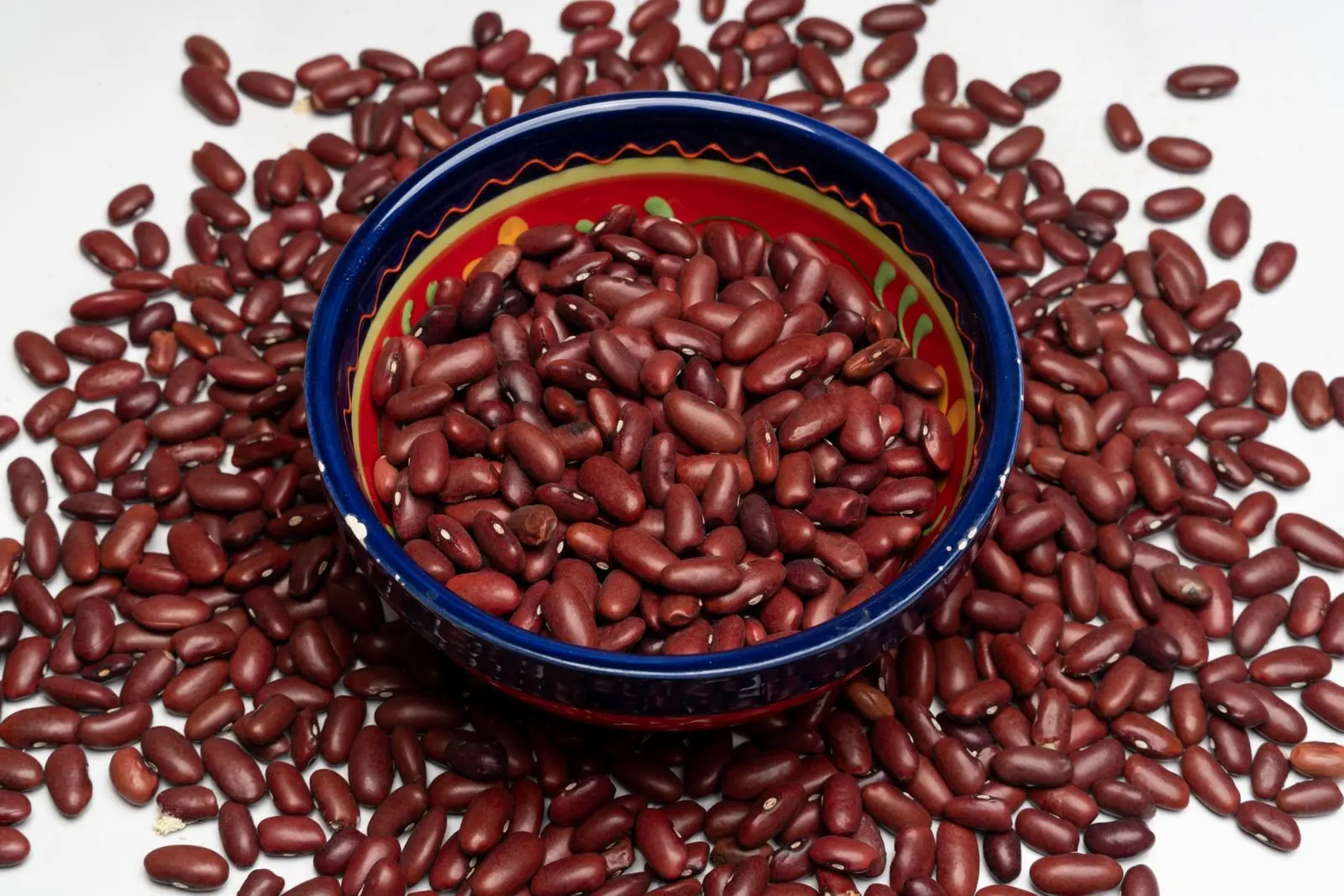
Boil, do not just warm. Raw kidney beans are the classic example of why this matters. The FDA’s food safety handbook records that raw red kidney beans contain 20,000 to 70,000 hemagglutinating units of phytohaemagglutinin, a potent kidney bean lectin, while fully cooked beans contain only 200 to 400. As few as four or five raw beans can trigger severe nausea and vomiting within one to three hours. The FDA recommends soaking the beans, discarding the soak water, and then boiling them briskly in fresh water for at least 10 minutes. Source
Beware the slow cooker trap. This one surprises people. The same FDA handbook notes that several outbreaks were linked to beans cooked in slow cookers, because the internal temperature often never climbs past about 75 degrees Celsius, which is inadequate to destroy the lectin. Worse, heating the beans to around 80 degrees can actually increase the toxicity several fold, meaning lukewarm beans can be more dangerous than raw ones. If you use a slow cooker, boil your kidney beans hard first, then add them in.
Pressure cooking works best. Dr. Bikman mentions in the lecture that pressure cooking and fermenting can reduce lectin content by up to around 95 percent. A pressure cooker reaches temperatures that break lectin proteins apart far more effectively than simmering. Fermenting, sprouting, and long soaking with the water discarded also help. The one caveat he adds, which matters for honest expectations: no cooking method removes lectins completely.
Watch the dose and the form. The key point from the dietitian review is that lectin concentrations in the research were extreme. A bowl of properly cooked lentils is a different universe from a raw kidney bean or the mega doses used in animal studies. Prepared legumes, whole grains, and nightshades have fed healthy populations for thousands of years.
Should You Go Lectin Free?
This is where the lectin myth collides with reality. Dr. Steven Gundry’s yes and no lists turned lectin avoidance into a diet movement with enthusiastic testimonials, and many people do report feeling better cutting back on grains, legumes, and nightshades. The question is what deserves the credit.
As the Mayo Clinic dietitian pointed out, someone who eliminates lectins is usually also cutting sugar, processed foods, and excess salt. Any of those changes alone could explain the weight loss and reduced symptoms. Without controlled human trials, the lectin specific claim remains unproven. My view: if you feel great eating legumes and whole grains, the mainstream evidence says you have nothing to fear from them. If you have stubborn gut issues, insulin resistance, or an autoimmune condition and everything else checks out, an experiment with reduced lectin intake, guided by actual blood markers, is a reasonable thing to try. For readers exploring the restriction side, my breakdown of Dr. Gundry’s approved food list is a useful companion, and my guide to the best foods for gut health covers what to eat more of, not just what to avoid.
My Take
I come at the lectin myth from a slightly different angle, because the biggest change I ever made to my digestion had nothing to do with lectins. It was fasting.
I eat on a daily window, usually from about 6 pm to 8 pm, and during the rest of the day I take in only water, tea, or coffee. If you are new to that kind of rhythm, my beginner’s guide to intermittent fasting walks through the approach I started with. When I first started limiting my eating window, I noticed real changes within days, and the one I felt most was digestive. As I wrote in my book, once I started fasting I felt much less bloated, my stomach got flatter, and even my face looked less puffy. My explanation at the time was simple: “Since my body has nothing in it, there is nothing for it to digest.” Whether or not you agree with the science wording, the felt experience was unmistakable. My gut finally got hours of rest every single day.
I later pushed that further with extended fasts, including a 40 hour water fast and eventually an 84 hour one. Around the 13 hour mark of a fast, according to the research I read, the body starts entering autophagy, a cellular recycling state where cells break down and clear out their own waste. That concept resonated with me because it suggested fasting does something deeper than just skipping meals. It gives the body’s repair systems uninterrupted time to work, which is the same theme as giving digestion a break.
Where does that leave lectins for me? I have not adopted a lectin free diet, and I am not convinced the average person needs one. What I am convinced of is that constant eating is the bigger digestive stressor for most people. If your gut lining never gets a break because you eat from morning to midnight, lectins become one more insult on top of many. In my experience, shortening my eating window changed how my stomach felt far more than any food elimination ever did. That said, Dr. Bikman’s advice to test rather than guess is smart: track fasting insulin and CRP, change one variable, watch the numbers.
I am not a doctor, and nothing I write here is medical advice. As I wrote in my book, consult with a medical professional before trying any type of fasting or any major dietary change, because what works for my body may not work for yours.

If this breakdown helped, join TheBioHack email list and you will never miss the next video guide.
Frequently Asked Questions
Are lectins bad for your gut health?
It depends on the dose and the preparation. Raw or undercooked kidney beans contain a lectin called phytohaemagglutinin that can cause acute poisoning, which is why the FDA treats it as a genuine food safety issue. But properly cooked legumes, grains, and nightshades have their lectins largely inactivated, and there is no evidence that eliminating cooked lectin foods cures any disease. Dr. Bikman argues that sensitive individuals, especially those with autoimmunity or insulin resistance, may still react to residual lectins, but that view awaits stronger human evidence.
How do you remove lectins from food?
Boiling is the most reliable method. For kidney beans, the FDA recommends soaking for at least 5 hours, discarding the soak water, and boiling briskly in fresh water for at least 10 minutes. Pressure cooking destroys lectins even more thoroughly, and Dr. Bikman notes that pressure cooking and fermenting can cut lectin content by up to around 95 percent. Soaking with the water discarded, sprouting, and fermenting also reduce lectins. Never rely on a slow cooker alone for kidney beans, since its low temperatures can fail to destroy the lectin and may even increase its toxicity.
Do lectins cause leaky gut?
Dr. Bikman argues that they can. His claim is that lectins bind to cells of the intestinal lining and loosen the tight junctions between them, increasing intestinal permeability so that bacterial fragments like LPS enter the bloodstream and drive inflammation. This is plausible in theory and supported by some animal and lab research. However, very few of these studies were conducted in humans, and the animal doses were far beyond normal diets. So the mechanism is biologically interesting but not proven in humans at dietary doses.
Which foods are highest in lectins?
The most lectin concentrated foods are legumes, especially red kidney beans, black beans, soybeans, lentils, peas, and peanuts. Whole grains and wheat are also significant sources, as are nightshade vegetables such as tomatoes, potatoes, and eggplant, plus certain fruits, nuts, and seeds. The Mayo Clinic dietitian notes that these same foods are nutritional powerhouses rich in B vitamins, iron, and fiber, which is why she and most dietitians do not recommend eliminating them without a specific medical reason.
A Brief Disclaimer
This article is for educational purposes only and is not medical advice. The science on lectins is still developing, and individual responses vary. If you have a digestive condition, an autoimmune disorder, or any health concern, talk to your doctor or a registered dietitian before changing your diet.
Have you tried cutting back on lectins, or do you think the whole debate is overblown? Let me know in the comments.
