
Table of Contents
- Your Gut Microbiome in 60 Seconds
- Watch: 8 Foods That Actually Fix Your Gut
- The 8 Best Foods for Gut Health
- Prebiotics vs Probiotics: The Quick Version
- My Take: I Gave My Gut a Break First
- Frequently Asked Questions
Your Gut Microbiome in 60 Seconds
If you are looking for the best foods for gut health, it helps to start with what you are actually feeding. Your digestive tract is home to trillions of microorganisms, collectively called the gut microbiome. These bacteria, yeasts, and other microbes help break down fiber your body cannot digest on its own, produce vitamins, and communicate constantly with your immune system and even your brain through what researchers call the gut-brain axis. To understand that two-way connection in depth, read my explainer on what the gut-brain axis is and how to keep it healthy.
When the balance of this microbial community shifts in the wrong direction, digestion suffers first: bloating, irregularity, and discomfort are the common early signals. A growing body of research ties the composition of the microbiome to immune function, inflammation levels, and metabolic health. The good news is that of all the levers you can pull, diet is the fastest and most direct one. What you eat today starts reshaping your gut community within days.
That is exactly what makes food a better starting point than any supplement bottle. In a 17-week randomized trial published in Cell, researchers at Stanford found that a diet high in fermented foods steadily increased microbiota diversity and decreased markers of inflammation in participants (Wastyk et al., 2021). Diversity, in the gut world, is the goal. And you do not need anything exotic to get there.
Wondering whether your own gut is out of balance? See our guide to the 7 signs of an unhealthy gut, explained by a gastroenterologist.
Watch: 8 Foods That Actually Fix Your Gut
The video below is from Nutrition Made Simple!, run by Dr. Gil Carvalho, a physician with a PhD in biology from Caltech. In 17 minutes, he walks through the specific foods with real evidence behind them for gut health, and just as importantly, he takes a skeptical look at the probiotic-supplement hype that dominates health marketing right now.
Here are the key points from the video, in my own words:
- Food beats pills for gut health. Dr. Carvalho argues that fermented and fiber-rich foods have stronger, better-replicated evidence than probiotic capsules, which often do not survive the trip through the digestive tract in meaningful numbers. Cleveland Clinic dietitians make the same point: food sources are generally the safer and better-tolerated starting point.
- Fermented foods are the heavy hitters. Yogurt, kefir, kimchi, and sauerkraut deliver live beneficial bacteria directly, and the Stanford trial above showed measurable diversity and inflammation benefits from a high-fermented-food diet over 17 weeks.
- Prebiotic fibers feed the good guys. Oats and their beta-glucan fiber, berries, legumes and lentils, and resistant starch act as fuel for beneficial microbes, which ferment them into short-chain fatty acids that nourish the gut lining.
- Prunes deserve more respect. The video cites trial evidence behind prunes as a constipation solution, positioning them as one of the most underrated gut foods.
- The hype segment. Near the end, Dr. Carvalho lays out a simple two-step plan: add fermented foods, then layer in prebiotic fiber, and be skeptical of any product that promises to “reset” your microbiome overnight.
Watch it here:

The 8 Best Foods for Gut Health
Below is the list, in order of evidence and practicality. If you want the short version for your grocery list: one fermented food a day, plus fiber at every meal.
1. Kefir
Kefir is a fermented milk drink made with kefir grains, and it typically contains a wider range of bacterial and yeast strains than standard yogurt. Because the fermentation process partially breaks down lactose, many people who are sensitive to milk tolerate kefir better. The video highlights it as one of the most potent everyday fermented foods. Look for plain, unsweetened kefir, since added sugar works against the gut benefits.
2. Yogurt With Live and Active Cultures
Not all yogurt qualifies. Only yogurt labeled with “live and active cultures” contains the beneficial Lactobacillus and Bifidobacterium strains the research is about, and heat-treated or pasteurized-after-fermentation products may not. Plain yogurt is the cleanest choice; add your own berries (see number 6) instead of buying pre-sweetened cups. For more on the supplement side of this conversation, see what to know before buying a probiotic supplement.
3. Kimchi
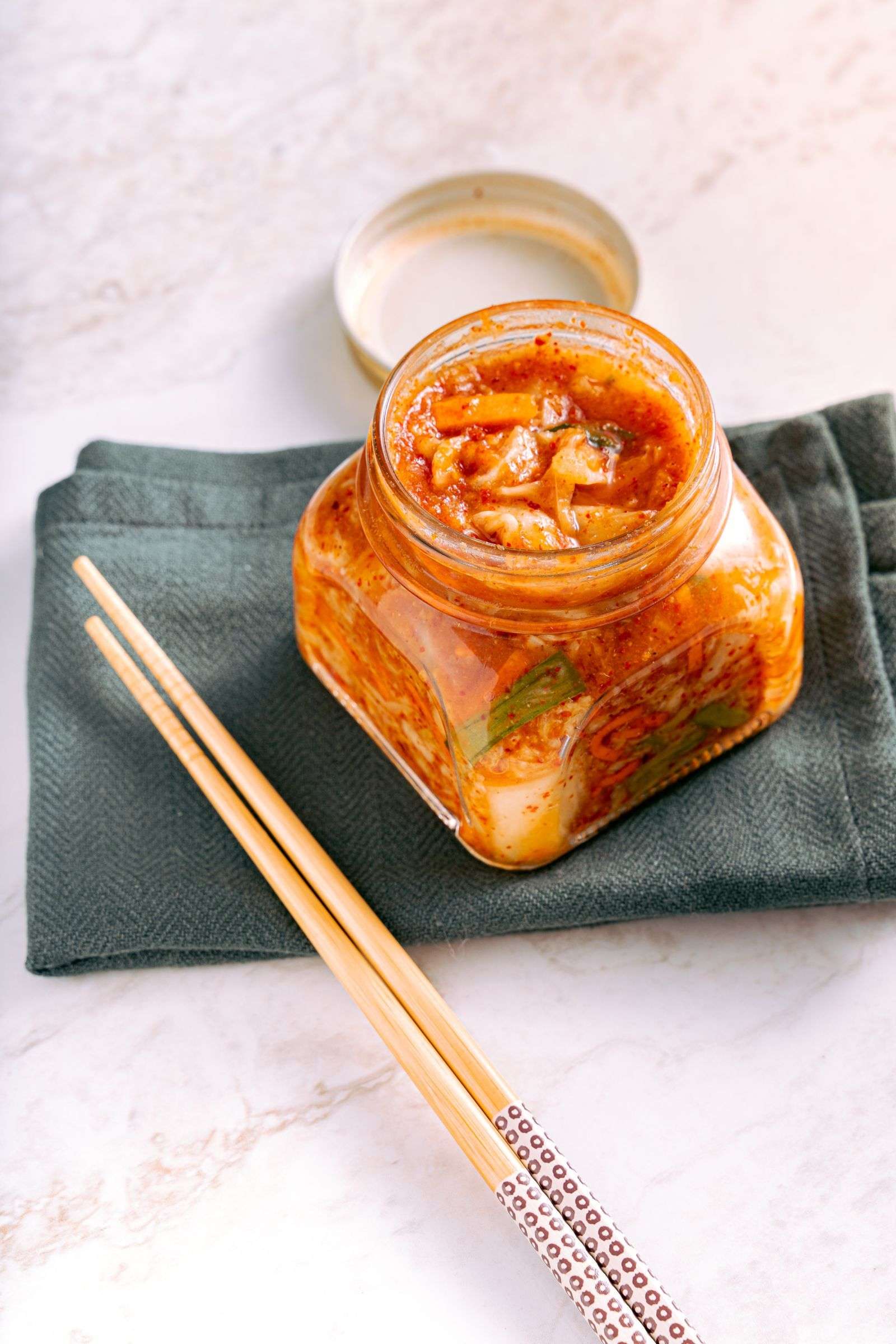
Kimchi is Korea’s traditional fermented cabbage, seasoned with garlic, ginger, and chili. It delivers live Lactobacillus bacteria along with fiber from the vegetables themselves, plus the antioxidant compounds in its seasonings. Because it is unpasteurized, the cultures are alive when you eat it. Start with a small serving if your gut is not used to fermented foods, since a sudden large dose can cause temporary bloating.
4. Raw Sauerkraut
Same principle as kimchi, milder flavor. The critical detail: it must be raw and unpasteurized, which usually means the refrigerated kind, not the shelf-stable canned version. Pasteurization kills the very bacteria you are after. A forkful or two with meals is enough to count.
5. Prunes
Prunes rarely make gut-health listicles, which is exactly why they belong here. The video cites trial evidence for prunes as an effective constipation remedy, and their combination of fiber and sorbitol (a natural sugar alcohol) gives them a gentle laxative effect. If irregularity is your main complaint, prunes are one of the simplest evidence-backed fixes available.
6. Oats
Oats are rich in beta-glucan, a soluble fiber that beneficial gut bacteria ferment into short-chain fatty acids, the compounds that nourish the cells lining your colon. Oats are also one of the most studied cholesterol-friendly foods, which makes them a two-for-one for heart and gut health. Steel-cut or rolled oats beat instant packets, which are often loaded with added sugar.
7. Berries
Blueberries, raspberries, blackberries, and strawberries pack fiber plus polyphenols, plant compounds that act as prebiotics in their own right by selectively feeding beneficial bacteria. Raspberries are among the highest-fiber fruits you can buy. Fresh or frozen both work; frozen berries are picked ripe and are often cheaper.
8. Lentils and Beans
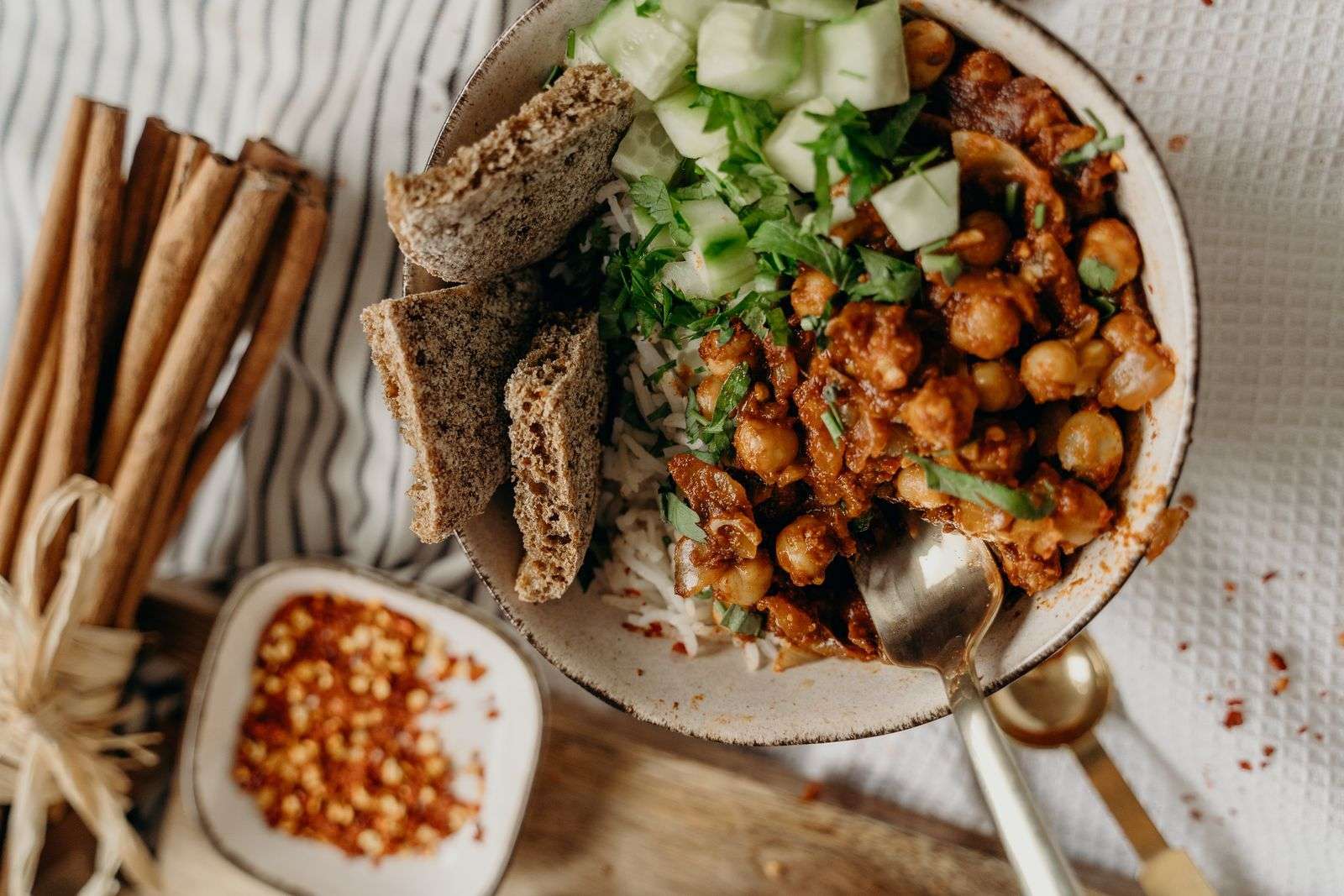
Lentils, chickpeas, black beans, and other pulses deliver resistant starch and soluble fiber, two of the most potent prebiotic fuels in the food supply. They are also cheap, shelf-stable, and easy to add to meals you already eat. If beans currently cause gas, introduce them gradually and rinse canned beans well; your microbiome adapts within a couple of weeks. If you’ve heard that lectins in beans are harmful, my guide to the lectin myth separates the evidence from the hype. These same fiber-rich foods also lower LDL cholesterol — see our guide to foods that lower cholesterol fast for the full breakdown.
Honorable mentions: walnuts and kiwi both earned callouts in the video’s research roundup, and they fit the same pattern, fiber plus bioactive compounds. For a broader framework around all of this, see our complete guide to improving gut health through diet.
Prebiotics vs Probiotics: The Quick Version
These two terms get mixed up constantly, so here is the thirty-second version, courtesy of Cleveland Clinic dietitian Gail Cresci:
- Probiotics are the live beneficial bacteria and yeasts themselves, found in fermented foods like yogurt, kefir, kimchi, and sauerkraut.
- Prebiotics are the indigestible fibers and carbohydrates that feed those bacteria, found in whole grains, asparagus, lentils, berries, and bananas.
Her memorable framing: probiotics are the seeds, prebiotics are the fertilizer. You need both, and whole foods deliver them together. As for capsules, Cleveland Clinic’s position is food-first: a probiotic in a capsule may not survive the digestive journey, and it works better when combined with its food source. The National Center for Complementary and Integrative Health adds a safety note worth knowing: while probiotics are generally considered safe for healthy people, serious infections have been reported in vulnerable groups such as premature infants, so anyone with a compromised immune system should talk to a doctor first. For a deeper look at gut-healing foods, see foods that support a healthy gut lining and bone broth for gut healing. And if a capsule still makes sense for your situation, learn how to choose a probiotic before you spend anything.
For the full breakdown of how these two differ, which foods deliver each, and whether you actually need both, see my guide to prebiotics vs probiotics.
2026 Research Refresh: The Fiber Gap and the Fermented Food Trial
The short answer: The best foods for gut health are high fiber plants and fermented foods eaten daily. Fiber feeds your existing gut bacteria, while fermented foods like kefir and kimchi add diversity. In a 2021 Stanford trial, six daily servings of fermented foods increased microbial diversity and lowered 19 inflammatory markers in 10 weeks.
Here is the part most people miss: the average American adult eats only 16 to 17 grams of fiber a day, while the target is 25 grams for women and 38 grams for men under 50. That gap of 8 to 20 grams is the single biggest dietary reason guts underperform, and it is fixable with food, not pills. A cup of raspberries adds nearly 10 grams, an avocado adds about 13.5 grams, and a cup of peas adds about 9 grams.
The strongest trial we have is the Stanford study published in Cell in 2021. Thirty six healthy adults were randomized for 17 weeks: one group ramped fermented foods from under half a serving a day to 6.3 servings, the other ramped fiber from 21.5 to 45.1 grams a day. The fermented food group saw gut microbe diversity rise steadily and 19 of 93 measured inflammatory markers drop, including IL-6, IL-10, and IL-12b. The high fiber group saw no cohort wide diversity change, though their fiber digesting enzymes increased. The honest read: do both, but if you had to pick one lever first, add one fermented food daily. For the fermented side of that plan, see my best fermented foods for gut health picks.
If your gut is already sending distress signals, read the 7 signs of an unhealthy gut, explained by a gastroenterologist, before overhauling your diet.
My Take: I Gave My Gut a Break First
I am David Christopher Lee, and I will be honest: I did not start caring about gut health because of a study. I started because of my schedule. My lifestyle involves fine restaurants and events on a regular basis, which means a lot of rich food and wine, usually late at night. For years I ate whenever food appeared. Then I read the research on intermittent fasting and decided to test it on myself, and the change in how my digestion felt was one of the first things I noticed.
I have written in my book about my routine: I wake up around 10 a.m., and from then until about 6 p.m. all I have is water, tea, or coffee. My eating window is roughly two to four hours a day, usually starting around 6 p.m. After a couple of days of hunger, my body adapted, and the cravings stopped. What surprised me most was the bloating. My face and belly got noticeably less puffy, my digestion felt calmer, and my weight settled from 185 down to 165. I am describing my own experience, not a prescription, but it lines up with a simple idea from the research above: when food is in your system all day, your body spends enormous energy digesting it. Give it a break, and it can do maintenance instead.
If you want to try this yourself, start with this complete beginner’s guide to intermittent fasting.
That is my honest relationship with the foods on this list. When I am eating socially at events, I eat what is served, but I have learned to reach for the fermented and fiber-rich options when they are on the table, the kimchi at a Korean restaurant, the lentils in a catered spread, plain yogurt in the morning after. And when I am not eating socially, I keep it simple: a smoothie or something vegan with low sodium. No supplement stack, no powders, no 30-day “gut reset” program. Just a fasting window that gives my gut real rest, and real food when I do eat.
One caution from my own trial and error: if your gut is currently unhappy, do not overhaul everything in one weekend. I have seen friends go from zero fiber to a giant kale-and-bean detox and spend three days miserable. Add one fermented food, give it a week, then add the fiber. Your microbiome is a garden, not a machine. Treat it like one.
If this kind of breakdown is useful to you, join The Biohack newsletter below. I publish research-grounded health guides like this one every morning and evening, and you will get each new video post in your inbox.
Build Your 25g Fiber Day
Tick the foods you would actually eat in a day and watch the total. The target line is 25 grams, the daily goal for adult women (men need 38). Fiber values per Health.com, October 2026. If you want the full playbook behind this, read how to improve gut health through diet.
Fiber checklist
0 g of 25 g target
Tick foods above to build your day.
For information only, not medical advice. Talk to your doctor before changing anything. Increase fiber gradually and drink more water to avoid bloating.
Frequently Asked Questions
What are the best foods to eat for gut microbiome restoration?
The strongest evidence points to two categories together: fermented foods (yogurt with live cultures, kefir, kimchi, raw sauerkraut) that introduce beneficial bacteria, and prebiotic fibers (oats, legumes, berries, bananas, asparagus) that feed them. The Stanford trial in Cell found that a high-fermented-food diet steadily increased microbiome diversity over 17 weeks. No single food restores the microbiome on its own; it is the pattern that matters.
Should I use probiotic supplements or focus on foods?
Food first. Cleveland Clinic dietitians note that food sources of probiotics are generally safer and better tolerated than capsules, and that a probiotic in a capsule may not survive digestion without its food source. Supplements can be helpful in specific situations, for example after a course of antibiotics, but for everyday gut health, fermented foods plus fiber are the better-supported starting point.
Are all fermented foods probiotic?
Not necessarily. Only fermented foods containing live and active cultures count as true probiotic foods. Yogurt that is heat-treated after fermentation, shelf-stable sauerkraut, and most commercial pickles made with vinegar rather than fermentation do not contain live beneficial bacteria. Check labels for “live and active cultures” or “raw/unpasteurized.” For a deeper dive into the fermented options specifically, see our guide to the best fermented foods for gut health.
How long does it take to notice improvements in digestion after changing your diet?
Most people notice improvements within a few weeks of consistently adding fermented and high-fiber foods, with more significant changes often occurring over 6 to 12 weeks. The Stanford fermented-food trial ran 17 weeks, which is a realistic horizon for meaningful shifts in microbiome diversity. Consistency beats intensity: a small daily serving outperforms a weekend binge.
How much fiber do you need per day for gut health?
Adults need 21 to 38 grams daily depending on age and sex: 25 grams for women 50 and younger, 21 grams after 50, 38 grams for men 50 and younger, 30 grams after 50, per the National Academy of Medicine. The average American gets only 16 to 17 grams, so most people need to roughly double their intake.
Are fermented foods better than fiber for gut health?
They work through different pathways. In the 2021 Stanford trial, six daily servings of fermented foods increased microbial diversity and lowered 19 inflammatory markers, while high fiber alone did not move diversity cohort wide but boosted fiber digesting enzymes. The practical answer is both: fiber feeds your microbes, fermented foods diversify them.
How fast can diet change your gut microbiome?
Faster than most people expect. Diet driven shifts in gut bacteria show up within days, and the Stanford trial saw diversity rise steadily over 10 weeks of consistent fermented food intake. Consistency matters more than any single meal.
Should you take a probiotic or just eat fermented foods?
Food first. Fermented foods deliver live cultures plus the food matrix and nutrients around them, and the trial evidence for food based diversity gains is stronger than for most generic probiotic pills. Targeted probiotics have their place, which is why I wrote a full guide to choosing one, but do not start there.
The Bottom Line
The best foods for gut health are not exotic, expensive, or complicated: fermented foods like kefir, yogurt, kimchi, and sauerkraut, plus prebiotic fibers from oats, berries, lentils, and beans. The research supports the pattern, the video above lays out the evidence food by food, and my own experience says the simplest version works: give your gut regular breaks, feed it real food, and skip the miracle cures.
This article is for educational purposes only and is not medical advice. If you have a digestive condition, take immunosuppressants, or are dealing with persistent symptoms, talk to your doctor or a registered dietitian before making major dietary changes.
Which of these eight foods is already in your kitchen, and which one will you try first? Let me know in the comments.
