
In This Guide
- The Short Answer
- Side-by-Side Comparison Table
- What Are Omega-3s, and Why Does Your Heart Care?
- Watch: Dr. Rhonda Patrick on Omega-3 Benefits
- The Conversion Problem: ALA Is Not EPA and DHA
- Omega-3s and Heart Health: What the Evidence Shows
- When Flaxseed Oil Still Wins
- Risks and Who Should Be Careful
- How to Choose (and What to Look For on the Label)
- My Take
- Frequently Asked Questions
The fish oil vs flaxseed oil debate is really a question about which omega-3 you are actually getting. Fish oil delivers EPA and DHA, the marine omega-3s your body uses directly. Flaxseed oil delivers ALA, a plant omega-3 your body must convert, and that conversion is inefficient. In this guide I break down what the research says, what Dr. Rhonda Patrick argues in her in-depth explainer, and when each option makes sense.
The Short Answer: Fish Oil vs Flaxseed Oil
Five facts settle the debate:
- Fish oil gives you EPA and DHA directly. These are the forms your heart, brain, and eyes use as-is, with no conversion step.
- Flaxseed oil gives you ALA only. It contains no EPA or DHA, and your body converts less than 15% of ALA into EPA, per the National Institutes of Health.
- For heart outcomes, fish oil has the stronger evidence. Eating fish twice a week is linked to lower heart-disease mortality, and fish oil reliably lowers triglycerides. But capsules have shown little to no heart benefit in Mayo Clinic’s review of the trials, so food still beats the pill.
- Flaxseed oil is still useful. ALA has modest cardiovascular value of its own, and it is a solid choice for vegetarians and vegans.
- Vegan and want EPA and DHA? Consider algal oil. It comes from the same algae fish eat.
Fish Oil vs Flaxseed Oil: The Side-by-Side Comparison
| Fish Oil | Flaxseed Oil | |
|---|---|---|
| Omega-3 type | EPA + DHA (ready to use) | ALA (must be converted) |
| Source | Fatty fish (salmon, sardines, mackerel) | Flaxseed (plant) |
| Conversion needed? | None | Yes; under 15% becomes EPA, per NIH |
| Heart evidence | Strongest; triglycerides, rhythm, blood pressure | Modest cardiovascular value |
| Key risk | Bleeding risk above 3 g/day; possible slight LDL rise | Very high omega-6 intake reduces conversion; keep refrigerated |
| Good for | Anyone seeking EPA/DHA directly | Vegetarians, vegans, fish avoiders |
| Vegan alternative | n/a | Algal oil for direct EPA/DHA |
What Are Omega-3s, and Why Does Your Heart Care?
Omega-3 fatty acids are polyunsaturated fats your body cannot make in meaningful amounts, so they have to come from food or supplements. There are three that matter, and mixing them up is where most of the fish oil vs flaxseed oil confusion starts.
The Three Omega-3s: ALA, EPA, and DHA
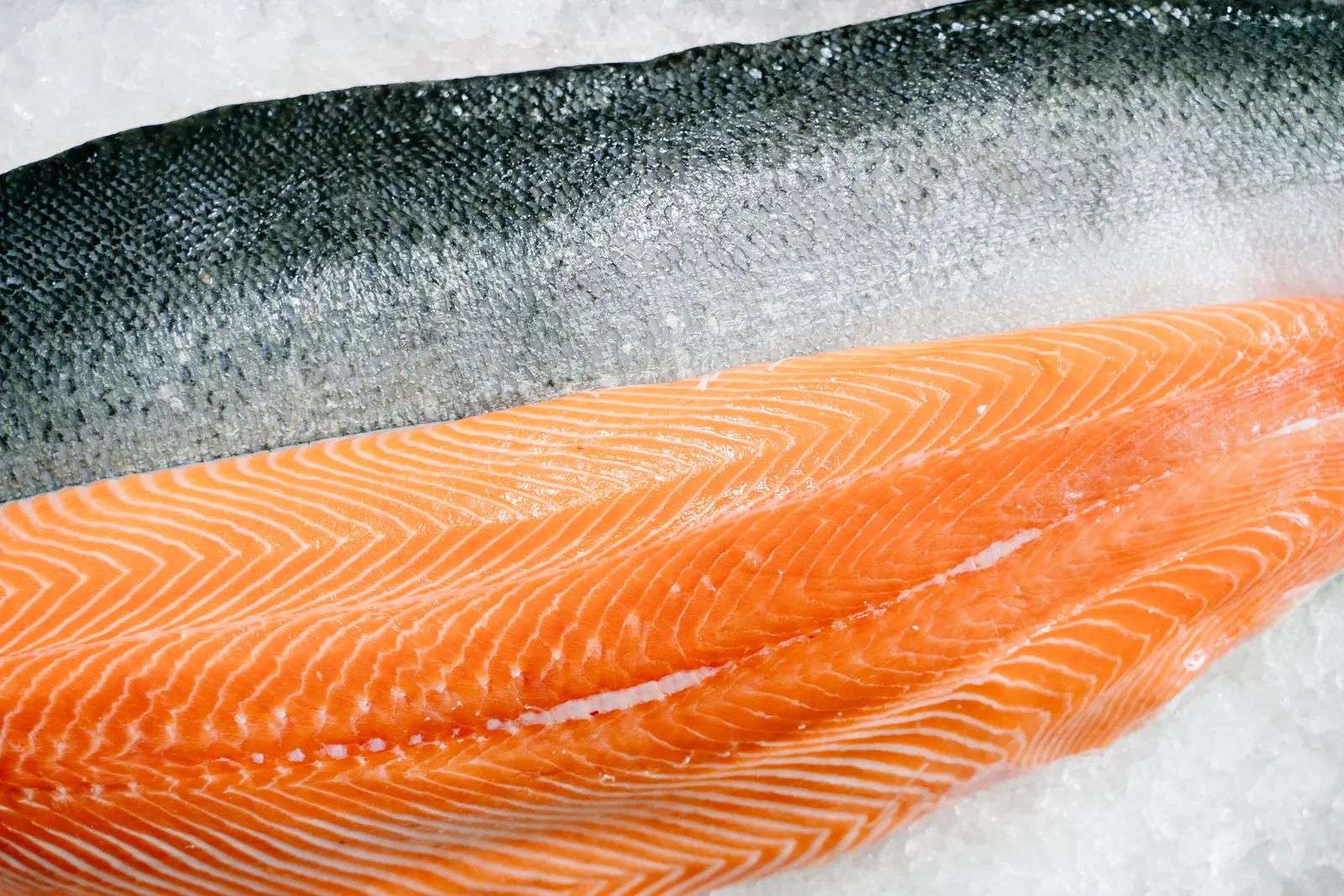
ALA (alpha-linolenic acid) is the plant omega-3. One tablespoon of flaxseed oil packs about 7.26 grams of ALA, far above the NIH’s adequate intake of 1.6 grams for men and 1.1 grams for women, but ALA is a precursor, not the finished product. EPA and DHA are the marine omega-3s in fatty fish and fish oil, used directly by the body; three ounces of farmed Atlantic salmon delivers roughly 1.24 grams of DHA plus 0.59 grams of EPA, per NIH food tables.
Why Nearly Everyone Is Short
Per the video below, about 80% of people worldwide and roughly 95% of Americans do not get enough EPA and DHA, and Dr. Patrick notes that deaths attributed to low EPA and DHA intake each year rival those attributed to trans fats.
Watch: Dr. Rhonda Patrick Goes In-Depth on the Benefits of Omega-3s

Dr. Rhonda Patrick of FoundMyFitness walks through the full case for omega-3s in this clip from her episode on vitamin D, omega-3s, and exercise for longevity. Her key arguments, in my own words:
First, the conversion bottleneck. She explains why relying on plant ALA from sources like flaxseed to cover your EPA and DHA needs is a gamble, because the body converts ALA so inefficiently. Second, the omega-6 competition problem: diets heavy in omega-6 fats use the same conversion enzymes, pushing the already low ALA conversion rate even lower. Third, the omega-3 index, a blood test she treats as a meaningful marker of omega-3 status, as a way to know where you stand instead of guessing.
She also highlights benefits beyond the heart: EPA and DHA reduce inflammation, which she frames as a key driver of aging, and they protect against disuse atrophy, the muscle loss that comes from inactivity. She argues it is a mistake for pregnant women to avoid fish. It is an EPA and DHA first case, and it is worth watching in full before you buy anything.
The Conversion Problem: ALA Is Not EPA and DHA
This is the single most important fact in the fish oil vs flaxseed oil debate. Your body can turn ALA into EPA and then DHA, but the National Institutes of Health describes the conversion as very limited: less than 15% of ALA becomes EPA, and only a small fraction of that reaches DHA. Harvard Chan’s Nutrition Source puts it plainly: the conversion may not be sufficiently efficient to cover your needs.
The 15% Ceiling
Do the math on a tablespoon of flaxseed oil with its 7.26 grams of ALA. At under 15% conversion, you get less than a gram of EPA at best, and far less DHA. Eating fatty fish or taking fish oil hands your body EPA and DHA directly, with nothing lost to a bottleneck.
Omega-6 Competes for the Same Enzymes
As Dr. Patrick discusses in the video, the enzymes that process ALA are the same ones that process omega-6 fats. Modern diets are already heavy in omega-6, so the enzymes are busy and ALA conversion drops further. Cutting back on excess omega-6 helps, but it does not turn flaxseed oil into a reliable EPA and DHA source.
Omega-3s and Heart Health: What the Evidence Actually Shows
Heart health is where the evidence for omega-3s is strongest, according to Harvard Chan, and it is also where the distinction between eating fish and taking a capsule matters most.
Triglycerides: The Clearest Win
The strongest supplement evidence belongs to fish oil and triglycerides. Mayo Clinic’s review finds strong evidence that fish oil significantly lowers triglycerides, and Harvard notes the effect shows up at higher doses. If that is your specific concern, pair this with foods that lower cholesterol fast for a fuller diet-driven lipid picture.
Blood Pressure: Modest but Real
Multiple studies show fish oil produces modest blood pressure reductions, per Mayo Clinic, and Harvard lists lower blood pressure among the heart benefits of omega-3s. Modest is not nothing, but it is no replacement for the fundamentals: diet, movement, and sleep. For the broader playbook, see how to lower blood pressure naturally.
Heart Rate and Rhythm
Harvard Chan lists steadier heart rhythm and lower heart rate among the cardiovascular benefits of omega-3s. A slightly lower resting heart rate signals an efficient cardiovascular system, which is why I also wrote a guide on how to lower resting heart rate naturally.
One honest caveat: fish oil slightly raises HDL but may also slightly raise LDL in some people, per Mayo Clinic. And the humbling big-picture finding is that people who eat dietary fish at least twice a week have a lower risk of dying of heart disease, while fish oil capsules have shown little to no heart benefit in the supplement trials. Food first, supplement second.
When Flaxseed Oil Still Wins
Dr. Patrick’s argument is EPA and DHA first, but do not write flaxseed oil off. The NIH and Harvard reviews confirm that ALA has modest cardiovascular value on its own, independent of conversion. For vegetarians and vegans, it is one of the easiest ways to cover the baseline adequate intake of omega-3s.
Flaxseed oil also wins on practicality. It has no fishy aftertaste, it tends to cost less than quality fish oil, and it fits a plant-based pattern like those of the longest-lived populations. The Blue Zones diet reminds us that dietary patterns built around plants, beans, and regular fatty fish beat any single supplement.
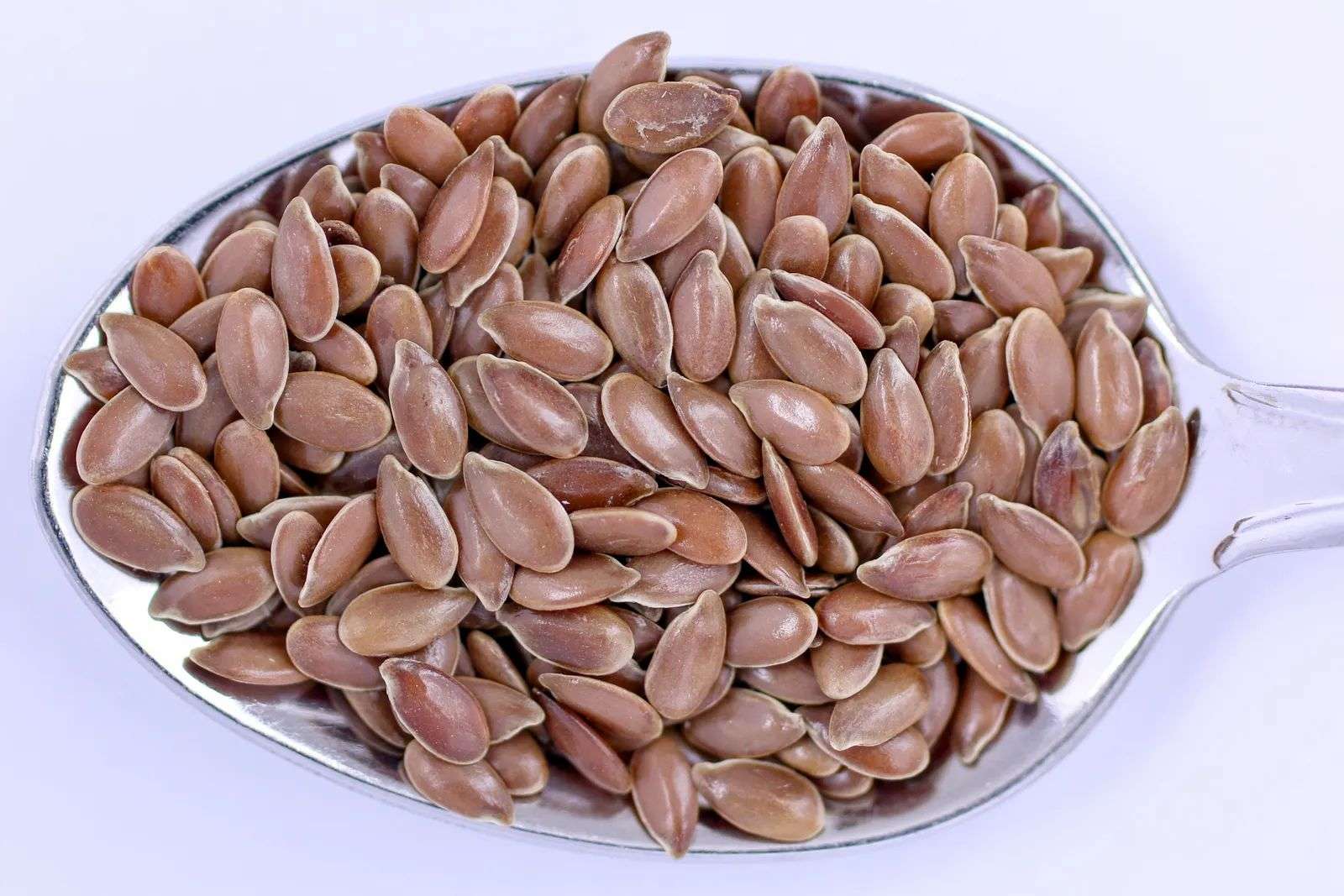
Two practical notes if you go the flaxseed route. Buy it cold-pressed and refrigerated, and keep it that way, because it oxidizes faster than fish oil capsules. And remember that ground flaxseeds and flaxseed oil are not the same thing: the seeds add fiber and lignans, the oil gives you concentrated ALA. Pick based on which benefit you want.
Risks and Who Should Be Careful
Omega-3 supplements are generally well tolerated, but they are not consequence free. Harvard Chan notes they can act as mild blood thinners, so if you take warfarin, aspirin therapy, or other blood thinners, talk to your doctor first. Mayo Clinic flags bleeding risk at intakes above 3 grams per day, so more is not better.
One fear you can mostly set aside: Mayo Clinic reports that fish oil appears to contain almost no mercury, because mercury binds to protein, not fat, and quality oils are filtered. If you eat fish instead, stick to low-mercury fatty fish like salmon, sardines, and mackerel, and follow standard pregnancy guidance on fish intake.
How to Choose (and What to Look For on the Label)
Start with food. Harvard’s standing recommendation is fish or seafood one to two times per week, especially fatty fish, and the mortality data favors actual fish over capsules. Supplementing? Decide by goal: want EPA and DHA directly? Fish oil, or algal oil if you are vegan. Avoid fish and want a plant omega-3 baseline? Flaxseed oil covers ALA.
On the label, look for the actual EPA and DHA amounts per serving, not just total fish oil. Third-party testing marks (IFOS, USP) are a plus for purity. For flaxseed oil, choose cold-pressed in dark bottles, sold refrigerated, and use it in dressings or smoothies rather than cooking, since heat damages it.
My Take
I approach supplements the same way I approach everything in my health life: research first, experiment second. When I decided to work up to an 84-hour fast, I spent days watching videos and reading studies about the benefits and risks before I ever skipped a meal. I bring that same skepticism to any bottle that promises a shortcut.
What drew me to this topic is inflammation. Through my own fasting experiments, I have become convinced that keeping inflammation low is one of the highest-leverage things you can do for long-term health. Fasting fights inflammation because nothing is entering the body for it to react to, and the research I read linked it to lower blood pressure and lower heart disease risk. Omega-3s work a different side of the same problem: EPA and DHA are directly involved in how the body resolves inflammation. Different mechanism, same direction.
Where I land: food first, always. I would rather eat sardines twice a week than swallow a handful of capsules, and the data backs that instinct. The people with the best outcomes ate the fish. Choosing a bottle? Match it to the goal. Want EPA and DHA? Get the thing that actually contains EPA and DHA, fish oil or algal oil. Do not expect flaxseed oil to do a job it was never built for.
I am not anti-flaxseed, though. If you eat plant-based, a tablespoon of flaxseed oil is a cheap, easy way to cover your ALA baseline, and ALA has modest heart value on its own. I am also not a doctor, and none of this is medical advice. It is just how one very research-obsessed photographer thinks through a supplement aisle.
Want one practical health breakdown like this in your inbox every day? Join The Biohack newsletter and get the evening post delivered with the research already done for you. (The signup form appears below this post.)
Frequently Asked Questions
Is flaxseed oil as good as fish oil?
As a source of ALA, flaxseed oil is excellent, and ALA has modest cardiovascular value of its own. But it is not as good a source of EPA and DHA, because it contains none directly and your body converts less than 15% of ALA into EPA, per the NIH. If your goal is raising EPA and DHA levels, fish oil (or algal oil) is the better tool.
Can flaxseed oil replace fish oil?
Not one to one. Flaxseed oil can cover your baseline omega-3 intake as ALA, but it cannot replicate the direct EPA and DHA delivery of fish oil. Harvard Chan’s review concludes ALA conversion may not be efficient enough to meet your needs. If you avoid fish, algal oil is the closest true replacement, since it provides EPA and DHA directly.
Which is better for cholesterol, fish oil or flaxseed oil?
Fish oil has the clearer lipid story: strong evidence for significantly lowering triglycerides and slightly raising HDL, though it may slightly raise LDL in some people, per Mayo Clinic. Dietary fish, not capsules, is linked to lower heart-disease mortality. Flaxseed oil’s cholesterol evidence is more modest. For a diet-first approach, start with foods that lower cholesterol fast.
A Quick Disclaimer
This post is educational content, not medical advice. Omega-3 needs and risks vary by person, especially if you take blood thinners or are pregnant. Talk to your doctor or a qualified health professional before starting or changing any supplement.
So, team fish oil, team flaxseed oil, or team just-eat-the-fish? Tell me where you land in the comments, and what you want me to break down next.
