
There is a trend on TikTok called fibermaxxing, and its pitch is simple: eat as much fiber as humanly possible. Adherents aim for 50 grams a day or more, stacking chia seeds, lentils, oats, and psyllium husk into every meal and posting their daily totals like a scoreboard. The trend has a kernel of truth inside it, which is why it caught on. Most people genuinely do not eat enough fiber. But dietitians keep issuing the same warning about the trend: more fiber is not always better fiber. And the difference between a smart increase and a reckless one is where most fibermaxxers go wrong.
What Fibermaxxing Actually Is
Fibermaxxing is a social media driven trend built around pushing daily fiber intake well above standard recommendations, often to 50 grams a day or more. It started on TikTok, where creators film high fiber meals, share fiber supplement stacks, and compete over daily totals. The impulse behind it is legitimate. Fiber is one of the most underconsumed nutrients in the modern diet, and the trend’s heart is in the right place.
The problem is the target. Fifty grams a day is not a number that came from research. It came from vibes. And jumping from a typical intake to 50 grams overnight is where the trouble starts.
Why Fiber Deserves the Hype
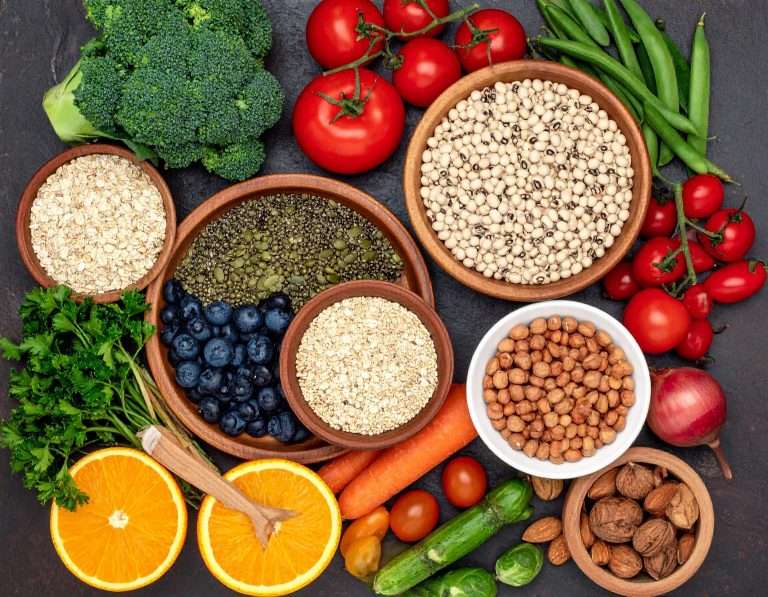
Before the caveats, credit where it is due. Fiber is one of the few nutrition topics where the science is genuinely settled, and registered dietitians broadly agree that most people should eat more of it.
Fiber is a carbohydrate your body cannot digest, and that indigestibility is the point. Soluble fiber dissolves in water and helps lower LDL cholesterol and stabilize blood sugar. Insoluble fiber does not dissolve and adds bulk that keeps digestion moving. Most high fiber foods contain both types. Prebiotic fibers feed the beneficial bacteria in your gut, which produce short chain fatty acids that support the gut lining and calm inflammation.
The benefits stack up across the research: lower LDL cholesterol, steadier blood sugar, healthier gut bacteria, more regular digestion, and reduced risk of colorectal cancer, type 2 diabetes, and cardiovascular disease. Fiber also increases satiety, which helps with weight management as part of an overall balanced diet. Unlike most wellness trends, this one is not built on a single shaky study. It is built on decades of consistent evidence. Our guide to the best foods for gut health covers the foods that deliver these benefits without any trend required.
The Actual Targets
Here are the numbers that matter, from the Institute of Medicine. Women should aim for at least 25 grams of fiber per day. Men should aim for at least 38 grams. Most American adults get around 15 grams, roughly half of what they need. That gap is real, and closing it is one of the highest value nutrition moves available.
Notice what the official targets are not: 50 grams, 60 grams, or as much as you can physically tolerate. The fibermaxxing target of 50 plus grams overshoots what the evidence supports for most people. Some metabolic health programs advocate higher intakes, but those recommendations come with professional supervision, not a TikTok comment section.
Where Too Much Goes Wrong
This is the part the trend skips. Fiber is safe and beneficial in the right amounts, but pushing far beyond recommendations, especially too fast, causes real problems.
Digestive distress. The most common consequence of a sudden fiber spike is bloating, gas, abdominal cramping, and either constipation or loose stools. Your gut bacteria need time to adapt to a higher fiber load. Doubling your intake overnight overwhelms them, and the fermentation that follows is not comfortable. The irony is hard to miss: a trend meant to improve digestion often wrecks it first.
Mineral absorption. Very high fiber intakes can interfere with the absorption of minerals including iron, zinc, and calcium. For most people eating a varied diet this is a minor concern at normal intakes, but at extreme totals it becomes real, particularly for anyone already at risk of deficiency.
Existing gut conditions. People with irritable bowel syndrome, inflammatory bowel disease, small intestinal bacterial overgrowth, diverticulitis, or gastroparesis should be especially cautious. A sudden fiber spike can trigger serious flare ups. Registered dietitian nutritionists consistently advise that anyone with a gastrointestinal condition talk to their doctor before attempting anything like fibermaxxing. Anyone with a history of disordered eating should also steer clear, since meticulously tracking fiber grams can feed unhealthy patterns.
The weight loss trap. Some fibermaxxers treat extreme fiber intake as a weight loss hack. Fiber does increase fullness, which can support a calorie deficit. But pushing past recommended amounts does not accelerate fat loss. In extreme cases, excessive fiber leading to constant digestive upset can cause malabsorption, which is not a diet strategy. It is a health problem.
How to Increase Fiber the Smart Way
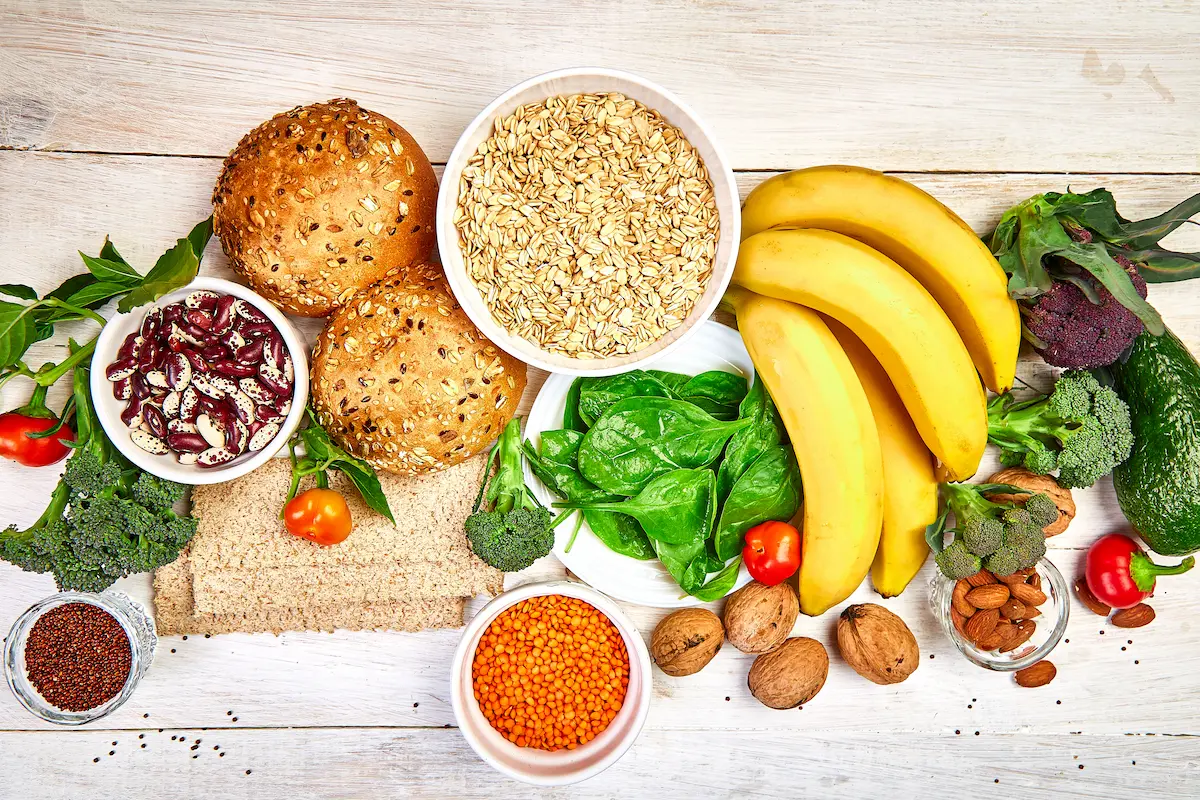
You do not need a trend name to fix a fiber gap. You need a gradual plan built on real food.
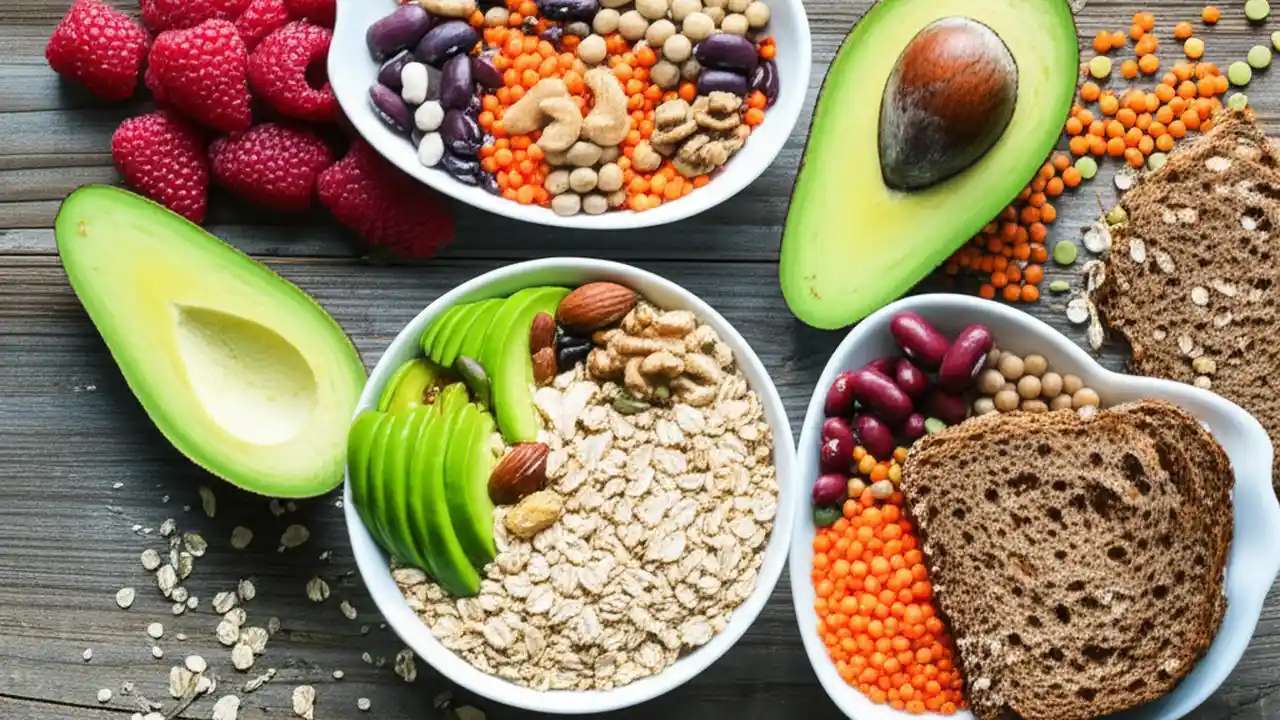
Start with whole foods. Fruits, vegetables, legumes, oats, barley, nuts, and seeds are the foundation. A cup of raspberries delivers about 8 grams. Two tablespoons of chia seeds deliver about 10. A cup of cooked lentils delivers about 15. An avocado delivers about 10. These numbers add up fast without any powders.
Increase slowly. Add 5 grams a day each week, not 30 grams overnight. Give your gut bacteria time to adapt. If discomfort shows up, you went too fast. Dial back and try again more gradually.
Drink more water. Fiber absorbs water. Without enough fluid, extra fiber can cause constipation instead of preventing it. This is the most skipped step in the entire trend.
Mix soluble and insoluble. Each type does different work. Oats and beans for soluble, vegetables and whole grains for insoluble. Variety also feeds a more diverse gut microbiome, which is the actual goal underneath all of this.
Watch the gut myths. Fiber advice online is tangled up with other nutrition claims. Our piece on the lectin myth is worth a read if someone has told you that beans and grains are harming your gut. Spoiler: for most people, they are helping it.
The Bottom Line
Fibermaxxing gets one thing right and one thing wrong. It is right that almost everyone should eat more fiber. The gap between the 15 grams most people get and the 25 to 38 grams they need is one of the easiest wins in nutrition. It is wrong that the answer is to max out your intake as fast as possible. The right amount of fiber makes your digestion better. Too much, too fast, makes it worse. Aim for the target, take it slow, drink your water, and let the trend pass you by. Your gut will thank you for the boring approach.
For a related win, fiber is one of the most effective dietary tools for cholesterol. Our video guide on foods that lower cholesterol fast breaks down exactly which foods move the number.
This article is for education, not medical advice. Talk to your doctor before making major dietary changes, especially if you have a digestive condition such as IBS, inflammatory bowel disease, or diverticulitis.
