
Red light therapy panels are having a moment. Scroll through wellness social media and you will find glowing red rectangles mounted on walls, red light therapy for face devices, and priced anywhere from $200 to well over $2,000. The claims are enormous: younger skin, thicker hair, less pain, faster recovery, better sleep, and even a longer life. Celebrities swear by them. Clinics charge per session. And a growing industry insists this is the future of medicine.
So is red light therapy a scam? The honest answer is more interesting than either the hype or the debunking. There is a real scientific field here, called photobiomodulation, with genuine published research. But the distance between what the research shows and what the marketing claims is vast, and most of what you can buy is priced as if that distance did not exist.
This article reviews the evidence claim by claim: skin, hair, pain, muscle recovery, and longevity. Then we will look at how to spot an overpriced panel, because the device market is where consumers lose the most money.
Evidence Meter: Is Red Light Therapy a Scam?
Test your instincts against the article’s claim-by-claim verdicts. Tap Supported or Not Supported for each claim.
Verdicts reflect what the article reports from published research. This is not medical advice.
What Red Light Therapy Actually Is
Red light therapy, technically called photobiomodulation, uses red light (typically 630 to 660 nanometers) and near-infrared light (typically 810 to 850 nanometers) at low intensities. The proposed mechanism centers on cytochrome c oxidase, an enzyme in mitochondria that absorbs these wavelengths. In theory, this boosts cellular energy production (ATP), modulates oxidative stress, and triggers signaling pathways involved in repair and inflammation.
It is important to distinguish this from lookalikes. It is not a tanning bed (no UV), not an infrared sauna (which heats tissue rather than targeting mitochondrial chromophores), and not a surgical laser (far lower power). The research literature is specific about wavelengths, doses, and delivery, which matters because consumer devices vary wildly on all three.
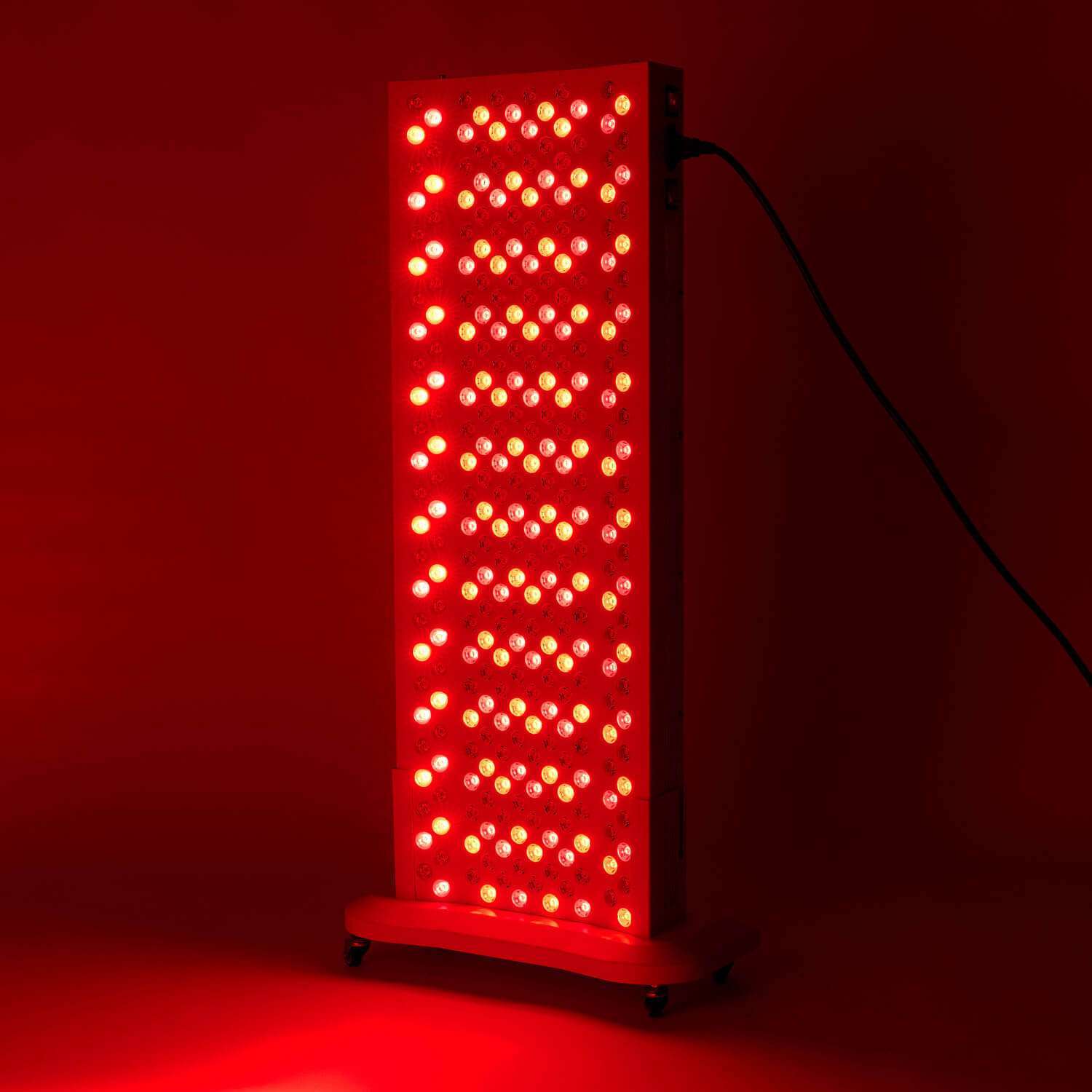
Red Light Therapy: The Short Answer
Red light therapy is not a scam, but it is not a miracle either. The evidence is modest and specific: small but real hair density gains in pattern hair loss, mild improvements in skin aging and acne, and low-certainty pain relief. Panels sold for longevity, fat loss, or testosterone have no human evidence behind those claims.
“Not a scam. Not a miracle. A low-risk experiment worth trying only at a sane price, with honest tracking.”
Share on X
The Evidence, Claim by Claim
Let us take the marketing claims one at a time and check them against published human research.
Skin: wrinkles and collagen
Skin is where the evidence is strongest, which makes sense: it is the tissue most directly exposed to the light. Multiple randomized controlled trials have tested red and near-infrared light for skin aging. A frequently cited split-face trial found improvements in skin complexion, collagen density, and wrinkle appearance after weeks of treatment. Other small RCTs of red light therapy for wrinkles report similar modest improvements in fine lines and skin texture.
The honest caveats: these trials are small, often short, and sometimes funded by device makers. The effects are modest, not transformational. Nobody in these studies looked a decade younger. But for a non-invasive intervention, the signal for skin is more consistent than for almost any other claim. Verdict: plausible and modestly supported.
Hair loss
Low-level light devices, usually laser combs or helmets rather than panels, have been tested for androgenetic alopecia (pattern hair loss) in several randomized trials. Meta-analyses generally find a small but statistically significant increase in hair density compared with sham devices. The effect is real but modest, and it appears smaller than what drugs like minoxidil or finasteride achieve.
The catch for panel buyers: most hair-loss research used devices designed for the scalp, worn close to the head, not full-body panels. Buying a $1,500 wall panel for your hairline is an expensive extrapolation from the actual studies. Verdict: modest evidence for dedicated scalp devices, weak rationale for panels.
Pain and inflammation
Photobiomodulation has been studied for neck pain, joint pain, and oral mucositis (painful mouth sores from cancer treatment), with some positive results. Guidelines in a few countries even mention it as an option for certain musculoskeletal pain. However, the literature is heterogeneous: different wavelengths, doses, and treatment sites make it hard to generalize, and many trials are small.
For chronic pain sufferers who have tried conventional options, a well-specified device is a reasonable experiment. It is not, however, the proven pain cure that some clinic marketing suggests. Verdict: promising but inconsistent.
Muscle recovery and performance
Athletes are a prime target market, and the research here is a mixed bag. Some trials find small reductions in muscle soreness or fatigue markers when light is applied before or after exercise. Others find nothing. A pattern in the literature: positive studies often use specific dosing protocols that consumer panels may not replicate, and effect sizes are small compared with, say, actually sleeping enough or programming training sensibly.
Verdict: possible small benefit, heavily dependent on protocol, and not a substitute for recovery fundamentals.
Longevity and cellular energy
This is where the marketing leaves the evidence behind entirely. There are no human trials showing that red light therapy extends lifespan or slows aging in any validated way. The longevity claims rest on mechanistic speculation (mitochondria are involved in aging, therefore stimulating mitochondria slows aging) plus animal or cell studies that do not translate directly to humans standing in front of a panel.
As we have covered in our overview of what longevity science actually prioritizes, the interventions with real human longevity data are stubbornly ordinary: exercise, sleep, metabolic health. Red light is not on that list, and invoking mitochondria does not put it there. Verdict: no meaningful human evidence.
“The device is not necessarily fake. The price and the promises are the problem.”
Share on X
Why Most Panels Are Overpriced
Even if you accept the modest evidence for skin and pain, the device market is where the real scam-adjacent behavior lives. Here is what matters and what does not.
The specs that actually matter
Photobiomodulation is dose-dependent, and the research specifies: wavelength (red around 630 to 660 nm, near-infrared around 810 to 850 nm), irradiance (power density at the skin), and total dose (joules per square centimeter). A legitimate device publishes these numbers. Many consumer panels do not, or bury them in marketing copy. Without published specs, you cannot know whether you are replicating a study protocol or just bathing in pretty red light.
Red flags in panel marketing
Watch for these: claims of FDA approval (most devices are merely registered or cleared, which is not an endorsement of efficacy), dramatic red light therapy before and after photos (lighting and time do heavy lifting), celebrity endorsements presented as evidence, and prices that scale with brand rather than specifications. A panel with the same LEDs, wavelengths, and irradiance as a competitor should not cost five times more because of a nicer housing and an influencer campaign.
The clinic parallel
The pattern of expensive devices with thin evidence is not unique to red light. We saw the same dynamics with hyperbaric chambers marketed for longevity: a real
medical technology, genuine clinical uses, and then a leap to anti-aging claims that the research does not support, all at luxury prices. The device is not necessarily fake. The price and the promises are the problem.
How to Use It Sensibly, If You Bother
If you decide to experiment, do it like a skeptic. Choose a device with published wavelength and irradiance specs from a company that cites actual studies. Follow a protocol resembling the research: consistent sessions (often 10 to 20 minutes, several times per week), at the recommended distance, for a defined trial period of 8 to 12 weeks. Take standardized photos if skin is your goal, so you can judge honestly.
Protect your eyes, especially with near-infrared devices, and keep expectations modest. On the question of red light therapy dangers, the evidence points to eye safety as the main precaution. And remember the hierarchy: no light panel compensates for poor sleep, no exercise, or a bad diet. The fundamentals come first, the gadgets a distant second.
2026 Update: Anything New?
Since this review, the picture has not fundamentally changed, but the hair-loss dossier got its strongest update yet. A 2026 meta-analysis in Skin Appendage Disorders (Alahmadi et al., 37 studies, 3,298 patients with androgenetic alopecia) found low-level light added 18.6 hairs per cm2 and 10.6 micrometers of shaft thickness versus sham, and added 11.8 hairs per cm2 over minoxidil alone when combined with it. That reinforces the article’s verdict: dedicated scalp devices have the best-evidenced claim in the category.
For skin, a 2026 review in the Journal of Drugs in Dermatology supports red light therapy as a safe adjunctive therapy for select conditions including acne, androgenetic alopecia, mild photoaging, and wound healing, with improvements described as modest and gradual and dependent on consistent, ongoing use. A 2026 narrative review in Forum Dermatologicum adds a useful caution: consumer devices generally deliver lower irradiance than professional systems and have limited independent validation of their efficacy.
What to watch:
- Larger, independently funded trials for skin aging would matter more than another dozen small device-maker studies. None have arrived yet.
- The hair-loss literature still belongs to dedicated scalp devices; no new data supports full-body panels for hairlines.
- Longevity claims remain where they were: zero human trials on lifespan or validated aging biomarkers. The Cleveland Clinic’s position still stands: at this point, there is not enough evidence to support most uses.
For the broader question of which interventions deserve your money, see which biohacks actually work and which are a waste of money. If you decide to buy, the best red light therapy device guide compares the options on specs.
Device Types Compared
| Device type | Best for | Evidence (per article) | What to demand |
|---|---|---|---|
| Full-body panel | Skin (body), pain, general experiment | Modest for skin; inconsistent for pain | Published wavelengths (630 to 660 nm red, 810 to 850 nm near-infrared), irradiance, dose |
| Face mask or face device | Skin (face) | Same skin evidence, smaller area | Same specs; eye protection |
| Scalp device (laser comb or helmet) | Pattern hair loss | Small but real density increase in meta-analyses | Device designed for scalp contact, not a repurposed panel |
“And remember the hierarchy: no light panel compensates for poor sleep, no exercise, or a bad diet.”
Share on X
The Verdict: Not a Scam, But Not a Miracle Either
Is red light therapy a scam? No, not exactly. Photobiomodulation is a legitimate research field with modest, plausible evidence for skin quality and some pain conditions. But the consumer market around it behaves like a gold rush: overpriced panels, inflated claims, and longevity promises with no human data.
The rational position: it is an interesting, low-risk experiment for specific goals (skin texture, certain pain), bought on specifications at a sane price, with honest tracking of results. It is not a longevity intervention, not a medical necessity, and not worth going into debt for. As with every device in the biohacking space, ask what the evidence shows, what the specs are, and what the seller gains by blurring the two. The answers are usually illuminating, in the worst way.
What Skeptics in the Community Say
The skeptical wing of the red light community is not anti-red-light. It is anti-marketing. One evidence-focused buyer’s guide states the rule plainly: “A product should not imply that a published study validates a different device merely because both emit red or near-infrared light” (reddotled.com). On the forums, owners of underpowered panels report the predictable outcome: some admit they saw no change after a month of daily sessions (medicalhealthzone.com), and as one guide notes, “The users of such low-quality devices may wrongly conclude that red light therapy is ineffective” (rlthome.com).
The pattern skeptics describe is always the same. Real but modest research, stretched into bold claims, sold at prices set by branding rather than specifications. Buyers pay for the story, not the irradiance.
That is this article’s verdict, confirmed by the crowd. Not a scam. Not a miracle. A low-risk experiment worth trying only at a sane price, with honest tracking.
Frequently Asked Questions
What are the downsides of red light therapy?
The research shows modest effects at best: trials are small, often short, and sometimes funded by device makers, and nobody in the studies looked a decade younger. The bigger downsides are practical — panels are frequently overpriced relative to their published specs, marketing leans on dramatic before-and-after photos and celebrity endorsements, and no light panel compensates for poor sleep, no exercise, or a bad diet. You should also protect your eyes, especially with near-infrared devices.
Does red light therapy work for wrinkles?
Modestly. The 2026 Journal of Drugs in Dermatology review supports red light as a safe adjunctive therapy for mild photoaging, with improvements described as modest and gradual. It is not a facelift in a mask, and results depend on consistent, ongoing use.
How long does red light therapy take to work?
The sensible protocol is 10 to 20 minute sessions, several times per week, with an 8 to 12 week trial before judging. Hair-loss trials typically ran 16 to 26 weeks.
Is red light therapy safe for eyes?
Red light itself is low risk, but near-infrared devices warrant eye protection, and you should never stare directly into high-irradiance panels. The 2026 reviews report predominantly mild and transient adverse effects.
Do at-home masks match clinic results?
Usually not. The 2026 Forum Dermatologicum review notes consumer devices deliver lower irradiance and have limited independent validation, while professional systems have the more robust evidence. Buy on published specs, not marketing.
