
Yes. This is one of the rare wellness trends with a genuine evidence base. Randomized controlled trials and meta-analyses show that structured breathing, especially slow breathing with an extended exhale, reduces self-reported stress, lowers physiological arousal, and in head-to-head tests has outperformed mindfulness meditation for mood. The details matter, though: technique, duration, and intent change everything. Here is what the science actually shows.
The Stanford Trial That Compared Everything
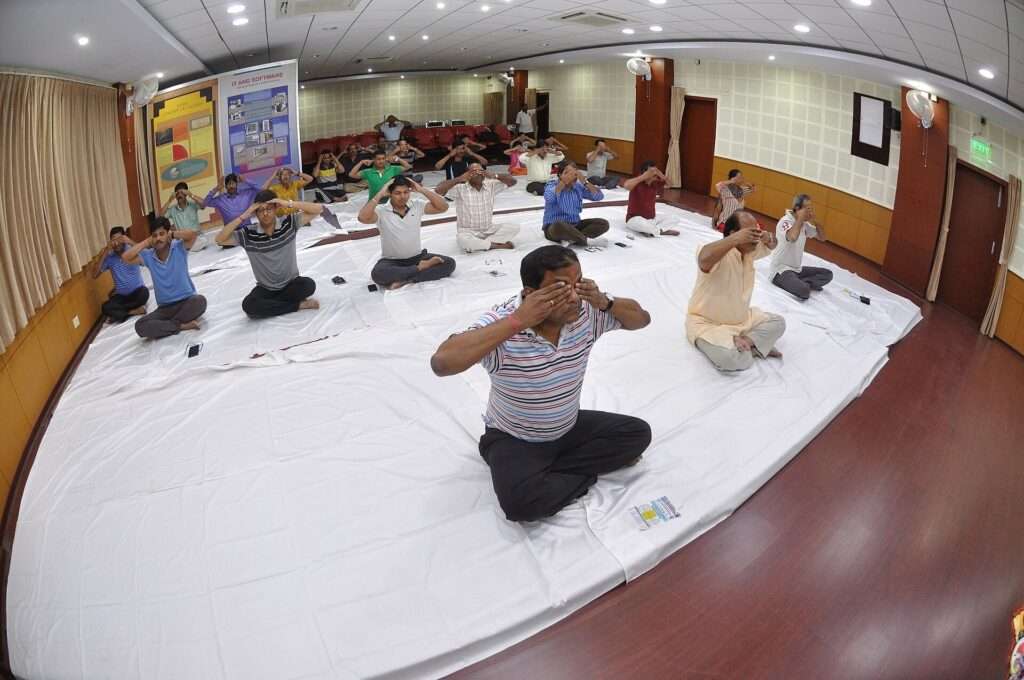
In January 2023, a team at Stanford led by Melis Yilmaz Balban, with David Spiegel and Andrew Huberman, published a randomized controlled trial in Cell Reports Medicine that did something unusual: instead of testing one breathing technique against doing nothing, it tested three techniques against each other and against mindfulness meditation.
The researchers randomized 108 participants into four groups: 30 practiced cyclic sighing, 21 practiced box breathing, 33 practiced cyclic hyperventilation with retention, and 24 practiced mindfulness meditation. Every group practiced for five minutes a day for one month. Mood and anxiety were measured with standard scales, and physiological arousal was tracked with a wrist wearable.
The headline result: all breathwork protocols improved mood more than meditation, and cyclic sighing, the exhale-dominant technique, produced the largest reduction in respiratory rate and the greatest improvement in positive affect. Both breathwork and meditation reduced negative emotion, including state anxiety. The finding is comparative and narrow, but it is real: five minutes of daily exhale-emphasized breathing outperformed five minutes of daily mindfulness in this sample, over this month.
Cyclic sighing is simple. Inhale through the nose, take a second short inhale to fully expand the lungs, then exhale slowly through the mouth. Repeat for five minutes.
What Slow Breathing Does to Your Nervous System
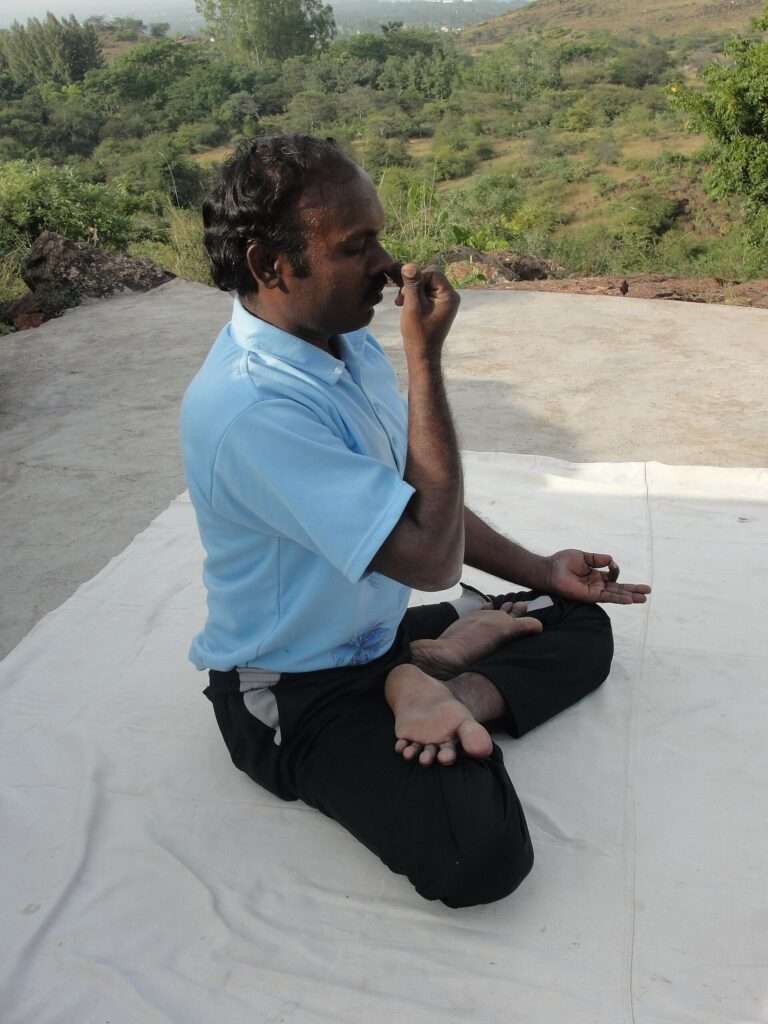
The mechanism is well mapped. Slow, diaphragmatic, exhalation-biased breathing activates the vagus nerve, dampens sympathetic nervous system output, and stimulates parasympathetic tone. That neural shift suppresses HPA axis activity, the primary driver of cortisol release.
A 2017 systematic review in Frontiers in Human Neuroscience (Zaccaro et al.) found that slow breathing reduced stress and improved autonomic function, with slow breathing at around six breaths per minute, the resonance frequency, especially effective at boosting heart rate variability. HRV is a widely used marker of stress resilience and emotional regulation.
An eight-week randomized controlled trial in China (Ma et al.) gave 40 participants twenty sessions of 15-minute slow diaphragmatic breathing at about four breaths per minute, while a control group did normal breathing. The breathing group showed statistically significant reductions in cortisol and negative affect, plus substantial improvements in sustained attention.
A more recent meta-analysis of randomized controlled trials found that breathwork interventions significantly reduced self-reported stress, anxiety, and depressive symptoms across the board, with slow-paced breathing the most effective modality. Small trials consistently report cortisol dropping within a single session of 10 to 20 minutes of slow breathing.
This is why breathwork belongs in any serious stress toolkit, and why I put it first among proven strategies to lower cortisol naturally.
Where Breathwork Is Overhyped
The evidence is technique-specific, and the marketing rarely is.
Fast, forceful breathing like the Wim Hof method is a different physiology from slow breathing. In one striking study, participants given bacterial endotoxin who performed fast-paced breathwork had higher cortisol spikes during the intervention than controls, though they recovered faster afterward. That may be an interesting stress-inoculation effect, but it is not stress reduction in the moment. Do not assume every breathwork brand sells the same biology.
Timing matters too. A 2023 meta-analysis in Psychoneuroendocrinology found that breathwork reliably lowered cortisol in sedentary or stressed populations, but its effect immediately after moderate-to-vigorous exercise was inconsistent. In three of seven studies, breathwork showed no significant difference versus quiet rest after a workout. The post-exercise cortisol spike is part of a healthy adaptive response, not a problem to fix.
And the usual trial caveats apply: small samples, short durations, and expectancy effects. Breathwork is a strong adjunct for stress, anxiety, and burnout. It is not a replacement for treatment of anxiety disorders or PTSD, though researchers are studying it in those clinical settings too.
Why the Stanford Comparison Matters
The most underappreciated part of the Balban study is that it did not test breathwork against nothing. It tested it against mindfulness meditation, which itself has a large evidence base for stress reduction. Both groups improved. Breathwork just improved more on mood and physiological arousal.
That design choice is what makes the result useful rather than promotional. Most wellness studies compare an intervention against a passive control group, which tells you only that doing something beats doing nothing. Here, the question was whether breathwork adds anything beyond what meditation already does. For five minutes a day, the answer was yes, and the exhale-dominant technique added the most.
The practical implication is sequencing, not replacement. Meditation builds awareness and acceptance over time. Breathwork gives you a faster lever on acute arousal. On a hard day, five minutes of cyclic sighing first, then meditation if you want it, is a combination with evidence behind both halves.
A Practical Protocol
If you want the evidence-based version, not the Instagram version:
Start with the physiological sigh. Two short inhales through the nose, one long slow exhale through the mouth, for five minutes. That is the Stanford protocol, and it takes less time than making coffee.
For structure, try box breathing: inhale four counts, hold four, exhale four, hold four. For sleep, the 4-7-8 breathing technique has its own dedicated evidence and instructions.
Keep sessions to five minutes at first. If you feel dizzy, lightheaded, or panicky, stop and breathe normally. Gentle and slow beats forceful every time. And treat breathwork as one tool among many: it pairs well with practical strategies for managing stress and anxiety at home, not as a substitute for them.
The verdict is unusually clean for a wellness trend. Breathwork works, slow exhale-dominant breathing works best, and five minutes is enough to start. The hype is the problem, not the practice.
