
Americans spend tens of billions of dollars a year on supplements: vitamins, minerals, powders, gummies, and proprietary blends promising energy, immunity, longevity, and sharper minds. Walk into any pharmacy and the wall of bottles suggests a simple equation: more pills, more health. But when researchers actually test these products in rigorous trials, the results are humbling. Most supplements do nothing for healthy, well-nourished people.
Does that mean supplements are a waste of money? Not entirely. A small handful have genuinely strong evidence behind them, and a few more are sensible in specific situations, like correcting a documented deficiency. The trick is telling the two groups apart, because the industry has no incentive to help you do it.
This is a no-hype review of the most popular supplements: which ones earn their place (creatine, vitamin D, magnesium), which are overhyped, and how to spend your money wisely if you supplement at all.
The Uncomfortable Truth About Most Supplements
Here is the pattern that repeats across decades of research: large randomized trials of popular supplements in generally healthy people mostly show null results. Multivitamins do not reduce mortality. Antioxidant pills do not prevent heart disease or cancer, and in some trials high-dose beta-carotene and vitamin E looked harmful. The famous Physicians’ Health Study II found no cardiovascular or cancer benefit from a daily multivitamin in male physicians, and the COSMOS trial found no effect on mortality either.
There is a good biological reason for this. Nutrients do their best work when they fix a deficiency. If you are not deficient, adding more of a vitamin is like pouring water into a full glass: the excess gets excreted, and your wallet gets lighter. The joke about expensive urine has real science behind it, particularly for water-soluble vitamins. This single insight explains most supplement disappointments: the products are designed for deficiencies most buyers do not have.
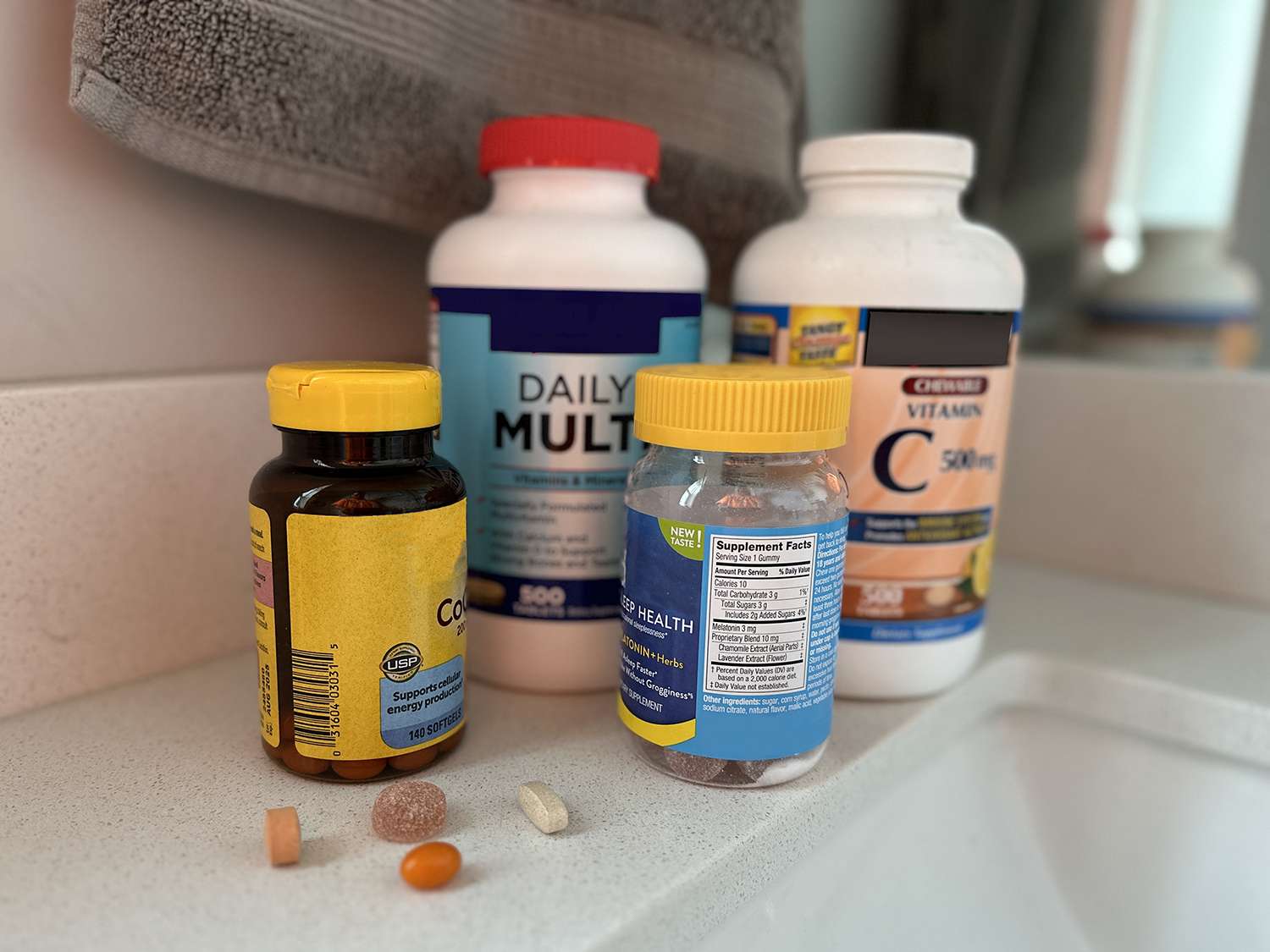
Are Supplements a Waste of Money? The Short Answer
Most supplements are a waste of money: the trials are small, the doses are off, and the label may not match the bottle. A short list earns its place, including creatine, vitamin D if you are deficient, magnesium, and fish oil. I take five, I price-track all of them, and I would drop the rest without a second thought.
The 2026 Numbers Behind That Answer
- Americans spent $74.15 billion on supplements in 2025, up 7.1% from $69.3 billion in 2024, according to Nutrition Business Journal’s 2026 Supplement Business Report.
- 61.4% of US adults used a supplement in the past 30 days (2021-2023 NHANES data), up from 51.8% a decade earlier, and 16.2% now take four or more products, per a 2025 analysis in the European Journal of Nutrition.
- Only 21% of store-brand herbal products tested had DNA matching their labels in the New York Attorney General’s 2015 investigation. Quality is a gamble unless the bottle carries third-party certification.
- Under the 1994 Dietary Supplement Health and Education Act, the FDA does not approve supplements before sale. The manufacturer is responsible for safety and honest labeling, and enforcement is mostly post-market.
I keep my own stack ruthlessly short and I track what it costs me year over year. See my 2021 vs 2026 supplement stack cost breakdown for the receipts.
The Short List: Supplements With Real Evidence
Now the good news. A few supplements have evidence strong enough that even skeptics recommend them in the right context. Ashwagandha is another supplement with real trial data behind it: read the ashwagandha cortisol evidence.
Creatine monohydrate: the most proven sports supplement
Creatine is the most studied sports supplement in existence, with hundreds of trials behind it. It reliably increases strength, power output, and lean mass when combined with resistance training, and it is remarkably cheap: a few cents per serving. It also has emerging research for cognitive performance under stress and sleep deprivation, though that is more preliminary. For anyone who lifts weights, creatine is the rare supplement where the evidence matches the reputation, and its safety record is excellent.
Vitamin D: fix it if you are low
Vitamin D is not a magic longevity pill, despite what some corners of the internet claim. Large trials like VITAL found no broad disease-prevention benefit from supplementing everyone. But deficiency and insufficiency are genuinely common, especially in northern latitudes, office workers, and people with darker skin, and correcting low levels matters for bone health and muscle function. The smart move: get your 25-hydroxy vitamin D tested, supplement if you are low (often 1,000 to 2,000 IU daily corrects it), and retest. Do not mega-dose blindly.
Magnesium: plausible, modest, often oversold
Many adults fall short of magnesium from food, and it is involved in hundreds of enzymatic reactions, which makes it a favorite of supplement marketing. The evidence: modest support for blood pressure and some sleep and cramp outcomes, but nothing like the cure-all claims. Forms (glycinate, citrate, threonate) matter less than marketers insist; elemental dose and tolerability matter more. A reasonable trial if your diet is low in nuts, seeds, and greens.
For the full breakdown, see my magnesium supplementation evidence review.
Protein powder: a food, not a hack
Whey and other protein powders are simply convenient food. They help people hit the protein targets that actually matter for muscle and healthy aging, which we detail in our guide to how much protein per day you need. Whey is well studied, safe, and cheap per gram of protein. Think of it as groceries, not supplementation. For the exact numbers behind those targets, see how much protein you actually need per day.
The Overhyped Middle
Multivitamins: cheap insurance, tiny returns
The COSMOS trial did find a small cognitive benefit from multivitamins in older adults, which is genuinely interesting. But there was no mortality benefit and no cardiovascular benefit. A basic multivitamin is inexpensive and probably harmless, so it functions as cheap insurance against dietary gaps. Just do not expect it to move the needle on health the way its marketing implies.
Fish oil and omega-3s
Fish oil reliably lowers triglycerides, which is useful for people with high levels. But large trials of omega-3 supplements for general heart disease prevention in healthy people have been mostly disappointing. The positive REDUCE-IT trial used a high dose of purified EPA in high-risk patients on statins, a far cry from a standard fish oil capsule for a healthy 35-year-old. Eat fatty fish twice a week; skip the mega-dose capsules unless your doctor advises them.
Greens powders and proprietary blends
These are the supplement aisle’s triumph of marketing over substance: underdosed ingredients hidden behind proprietary blends, sold at premium prices, with no meaningful clinical trials. A serving of actual vegetables outperforms them at a tenth of the price. If your diet lacks vegetables, the answer is vegetables, not a $70 tub of flavored powder. Collagen is the classic middle-ground case: see our review of collagen for skin benefits. For the full trial-by-trial answer to does collagen work, we reviewed the skin and joint studies in a dedicated evidence review.
Focus and “smart drug” products get the same treatment in our nootropic evidence review, which grades caffeine, L-theanine, creatine, and the mushroom stacks ingredient by ingredient.
How to Spend Your Supplement Money Wisely
If you are going to supplement, do it like a skeptic with a budget:
First, test, do not guess. Bloodwork for vitamin D, B12, iron/ferritin, and a basic metabolic panel tells you what you actually need. Supplementing blindly is how people end up with a cabinet of expensive redundancies.
Second, fix food first. No pill compensates for a diet low in protein, fiber, and vegetables. Our deep dive on how much fiber is actually too much covers one of the highest-leverage dietary fixes, and it costs less than any supplement stack.
Third, buy single ingredients from third-party tested brands (look for NSF or USP seals), and avoid proprietary blends that hide doses. The more ingredients in one product, the less you know about what is doing what. Probiotics are where label games run deepest, so I keep a separate guide to buying a probiotic that works.
Finally, respect the hierarchy. Diet, sleep, exercise, and not smoking drive the vast majority of outcomes. As our overview of what longevity science actually prioritizes explains, supplements sit at the very bottom of the evidence hierarchy for extending healthspan. They are the garnish, not the meal. That same evidence standard is why I went through Khavinson’s bioregulator study before believing any of the peptide claims built on it.

Supplement Cost Calculator: What Your Stack Actually Costs
Most people have no idea what their supplement habit costs per year. I price-track my five-item stack, so this calculator is built around the same math. Enter the container price and how many days it lasts for each item you buy, and it shows your monthly and annual cost. Whey is pre-filled with my current price.
Your stack, your numbers
Leave blank anything you do not buy. Prices are what you paid; days supply is printed on most labels.
For information only, not medical advice. Talk to your doctor before changing anything.
Clinic treatments make even a pricey stack look cheap. My NAD IV cost comparison shows a year of infusions can cost more than a decade of capsules.
The Verdict
Are supplements a waste of money? For most healthy people buying most products, mostly yes. The industry thrives on the gap between deficiency-correcting science and optimization marketing. But the waste is avoidable: creatine for lifters, vitamin D for the deficient, protein powder for convenience, and a basic multivitamin as cheap insurance all have honest roles. Spend on testing, buy single ingredients, fix your diet first, and let the fundamentals do the heavy lifting. Your wallet and your physiology will both thank you. For a worked example, see our review of NMN for longevity, where the human trials raise NAD+ but have not yet shown slower aging.
The same evidence test applies beyond the supplement aisle. A prescription drug can fail it too, which is exactly what the 2026 data showed for metformin for longevity: strong mechanism, decades of use, and still no proof in healthy people.
Supplement Questions, Answered Honestly
Are multivitamins a waste of money?
For most healthy adults eating a reasonable diet, the evidence says largely yes. Large trials have found little to no effect on heart disease, cancer, or mortality. They make sense if your diet has real gaps, but they are not the foundation of a stack.
Which supplements have the strongest evidence?
The short list I trust: creatine monohydrate (hundreds of trials for strength and power), vitamin D if you test low (about 25% of Americans are below 20 ng/mL per NHANES 2001-2018), magnesium for those who do not get enough from food, and fish oil for omega-3s. Everything else needs a specific reason. If you want the longer version, read which biohacks actually work and which are a waste of money.
Does the FDA test supplements before they are sold?
No. Under the 1994 Dietary Supplement Health and Education Act, the FDA does not approve supplements for safety or effectiveness before they reach the market. The manufacturer is responsible for safety and honest labeling, and the FDA mostly acts after problems surface. That is why third-party certification matters.
How do I know a supplement is high quality?
Look for a third-party seal: USP Verified, NSF Certified for Sport, or Informed Sport. Avoid proprietary blends that hide doses, and be skeptical of anything claiming to treat or cure disease. The New York Attorney General’s DNA testing found only 21% of store-brand herbal products matched their labels, so the brand on the bottle matters.
Is creatine safe for the long term?
The International Society of Sports Nutrition’s position stand found creatine safe and well tolerated in healthy individuals at studied intakes, and a 2021 evidence review concluded it does not damage kidneys at recommended doses or cause hair loss. A 2025 meta-analysis of 21 studies found no change in glomerular filtration rate. See my full breakdown: is creatine safe for kidneys, hair loss, and long-term use.
Why do supplement prices keep rising?
Raw ingredient and retail costs are volatile. My own receipts show whey isolate up 83% from 2021 to 2026 ($75.00 to $137.49), creatine spiking about 150% before crashing below its 2021 price, and fish-oil raw ingredient costs up 148% in 2022-2023. Run the calculator above before assuming a stack is affordable.
