
The gym is full of rules that sound like science but are really just tradition. Ben Greenfield (@bengreenfieldfitness) just dropped a carousel breaking down 12 bodybuilding myths debunked against actual published research, and it is worth your attention. I have added four more that I hear constantly.
Credit where it is due: the first eight myths below come from Ben’s breakdown, which cites real studies. Go follow him if you care about this stuff.
Here is what the research actually says.
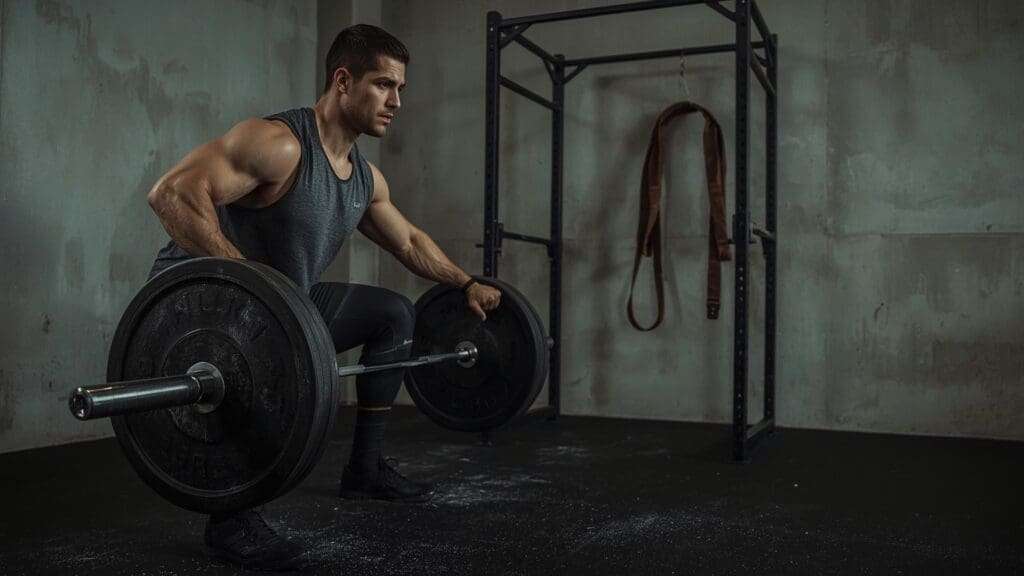
Bodybuilding Myths Debunked: Training
1. You Need Constant Exercise Variation for Muscle Growth
This is one of the most persistent bodybuilding myths debunked by controlled research. The claim: you have to constantly change exercises to keep muscles growing.
Angleri and colleagues tested this directly. Twenty lifters followed either a fixed program or a varied program. Muscle fiber growth was identical between the two groups. Your muscles do not get bored. They respond to tension and progressive overload, not novelty.
If you like variety because it keeps training fun, do it. But do not pretend it is a physiological requirement.
2. The Muscle Confusion Myth
The muscle confusion myth says rotating exercises shocks muscles into extra growth. Fonseca’s MRI data says otherwise, and a 2022 review of seven studies found no extra quadriceps hypertrophy from rotating exercises compared to sticking with the same ones.
“Confusing” the muscle is not a mechanism. Loading it progressively is. Pick exercises you can perform well and get stronger at over time. That is the whole game.
3. You Must Train to Failure
This one is more nuanced than a simple yes or no, so pay attention. A 2024 meta-regression of 55 studies found smaller benefits from training with low reps in reserve at higher loads. In plain language: grinding to failure helps a little, but not as much as the hardcore crowd claims.
The catch: training to failure on high-rep sets increases fatigue and distorts your perception of effort, which can wreck the rest of your session. If you want to train to failure, save it for the last set of an exercise, not every set. The research supports intensity, not recklessness.
4. Does Cardio Kill Gains?
Does cardio kill gains? This fear traces back to a single 1980 study by Hickson, and the fitness world has been scared of the treadmill ever since. Newer meta-analyses tell a different story: there may be some interference at the muscle fiber level, but it does not show up in overall muscle size.
Translation: cardio does not meaningfully shrink your gains. If anything, better conditioning lets you train harder and recover faster. I do cardio during my cuts and my lifts do not suffer. Keep the cardio. Just do not run a marathon the morning of leg day.
5. Lifting Makes Women Bulky
No. Testosterone differences are the main driver of male muscle mass, and women simply do not have the hormonal profile to accidentally get huge. The bulky physiques you see took years of deliberate effort, specific nutrition, and often pharmaceutical help.
Heavy lifting gives women a toned, athletic appearance. It builds bone density, which matters enormously for longevity. If you are a woman avoiding weights because of this myth, you are leaving the single best anti-aging tool on the table.
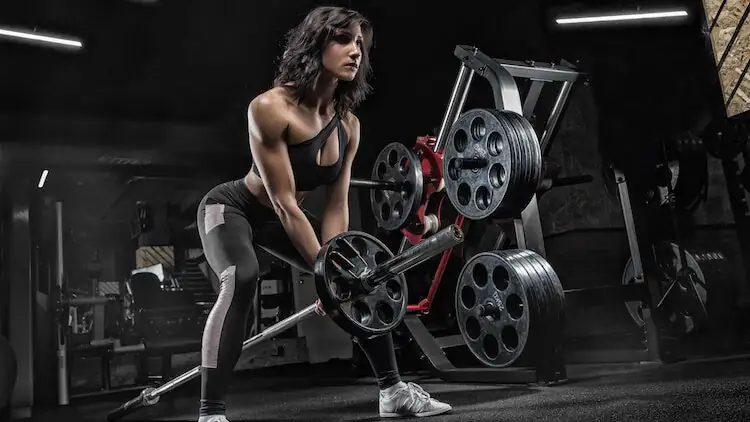
Bodybuilding Myths Debunked: Nutrition
6. You Need a Rigid Diet
Another of the classic bodybuilding myths debunked: the idea that you need a fixed meal plan with the same six foods forever. Research shows macro tracking produces equivalent fat loss to rigid meal plans, and flexible approaches win over the long term because people actually stick with them.
I track macros myself during cuts. It works because it is flexible, not despite it. Strictness also worsens body dysmorphia, which is already elevated among fitness enthusiasts. Eat the foods you like within your targets. Adherence beats perfection every time.
7. You Must Eat Every 2-3 Hours
The “stoke the metabolic fire” idea refuses to die. A five-week trial on rowers found no advantage to frequent meals, and time-restricted eating research with matched calories shows the same: meal frequency does not change the outcome when calories and protein are equal.
Eat in whatever pattern fits your life. Two meals, six meals, it does not matter for body composition. What matters is total calories and total protein across the day.
8. The Protein Window Myth
The protein window myth says you must slam a shake within 30 minutes of your last rep or the workout was wasted. Total daily protein intake matters far more than timing. The research consistently shows that hitting your daily protein target is what drives results.
I still have protein after training, because it is convenient and it helps me hit my daily number. But if life gets in the way and you eat two hours later, nothing is lost. Stop stressing about the clock and start tracking the total.
9. Soreness Means a Good Workout
Soreness is not a growth signal. It is mostly a novelty signal. You get sore when you do something unfamiliar, and the soreness fades as your body adapts, even while you keep growing. Chasing soreness leads people to do random, unproductive workouts instead of progressing the basics.
Judge a workout by performance. Did you lift more, do more reps, or do the same work with better form than last time? That is progress. Soreness is just feedback that something was new.
10. Light Weights Do Not Build Muscle
Muscle growth is driven by taking sets close to failure, not by the absolute load on the bar. Studies comparing light and heavy loads with matched effort show similar hypertrophy. Light weights absolutely build muscle if you push the set hard enough.
Heavy weights still have advantages: they build maximal strength and are more time efficient. But if you only have light dumbbells, or your joints need a break, you can still grow. Effort is the variable that matters.
11. You Cannot Build Muscle After 40
This one is just wrong. Older adults build muscle in response to resistance training. The rate may be slower than in your twenties, and recovery takes more attention, but the mechanism works fine. Protein needs may be slightly higher, and sleep matters even more, but the upside is enormous: muscle mass is one of the strongest predictors of healthy aging.
If anything, training after 40 matters more, not less. Sarcopenia, the age-related loss of muscle, is optional if you train. Start now regardless of your age.
12. Supplements Matter More Than Training
No supplement compensates for inconsistent training, inadequate protein, or bad sleep. Creatine monohydrate has the strongest evidence base of any supplement and it is genuinely useful, but it adds a small percentage on top of a solid foundation. Everything else is marginal or unproven.
The supplement industry wants you to believe the powder is the program. It is not. Train consistently, eat enough protein, sleep seven to nine hours. Then, if you want, add creatine. That is the entire hierarchy.
What Actually Matters
Strip away the myths and the list of what works is short:
Consistency. Show up three to five times a week for years. Nothing beats this.
Progressive overload. Gradually do more over time. More weight, more reps, better form.
Adequate protein. Roughly 0.7 to 1 gram per pound of bodyweight daily, from food you actually enjoy eating.
Sleep. Seven to nine hours. This is where recovery and growth hormone do their work.
That is it. No confusion, no magic windows, no fear of the treadmill. The fundamentals have not changed, and the research keeps confirming them. Thanks to Ben Greenfield for putting the citations in one place. Now go lift.
