
Table of contents
- What Is Autophagy, Exactly?
- How Fasting Triggers Autophagy Inside Your Cells
- When Does Autophagy Kick In? The Timeline
- 7 Benefits of Autophagy Fasting
- Foods and Drinks That Support Autophagy
- Can You Get Autophagy Without Fasting?
- The Honest Limits: What the Science Cannot Tell You Yet
- My Take: What Fasting Taught Me
- Frequently Asked Questions
What Is Autophagy, Exactly?
Autophagy fasting is the practice of going without food long enough to switch your cells into autophagy, the body’s built-in recycling program. Autophagy literally means “self-eating” (from the Greek auto, meaning self, and phagein, meaning to eat). During autophagy, your cells identify damaged proteins, worn-out mitochondria, and other cellular debris, wrap them in small membrane sacs, and break them down into reusable building blocks. In plain English: your body takes out its own trash and uses the scraps to build new parts.
This is not a wellness fad that appeared on social media. The mechanism was worked out in detail by Japanese cell biologist Yoshinori Ohsumi, whose discoveries about how cells recycle their own contents earned him the 2016 Nobel Prize in Physiology or Medicine. Since then, researchers have been asking a practical question: if our cells clean themselves during periods without food, can strategic fasting turn up the volume on that cleanup? That is the idea behind autophagy fasting.
One important caveat before we go further. Autophagy happens in all of us, all the time, at a baseline level. Fasting appears to ramp it up. But much of the detailed evidence comes from animal and cell studies, and scientists are still working out the exact timing and long-term effects in humans. Think of autophagy fasting as a promising, research-backed practice with real unknowns, not a magic switch.
Watch: What Is Autophagy? 5 Key Strategies to Maximize Its Benefits

What Dr. Mindy Pelz Gets Right About Autophagy
Dr. Mindy Pelz is a chiropractor and bestselling fasting educator who has spent years teaching time-restricted eating, especially to women navigating hormonal changes. Her video on autophagy is one of the clearest explainers I have found, because she goes beyond the “what” and gives you a practical playbook. Here is the substance of her argument, in my own words.
First, her definition is refreshingly simple: autophagy is the body’s way of cleaning out damaged cells so it can regenerate newer, healthier ones. She frames it as especially important for brain and hormonal health, which is a useful reframe if you only ever heard fasting talked about in the context of weight loss.
Then she lays out five keys to maximize the benefits. The first is to fast longer than 17 hours. In her experience working with hundreds of thousands of fasters, the 17-hour mark is where the real cellular cleanup gets going. Second, she recommends breaking your fast with fat rather than a big carbohydrate-heavy meal, because a fat-first meal keeps insulin low and lets the cleanup state wind down gradually instead of slamming the brakes. Third, she suggests keeping protein under 20 grams in that first meal back, since a large protein load signals the body to switch from repair mode back into growth mode.
Her fourth and fifth keys surprised me the first time I heard them: sleep and HIIT training. She points out that autophagy also runs while we sleep, so shortchanging rest blunts the whole system, and that short bursts of high-intensity exercise appear to speed the process along. As bonuses, she mentions biohacks like red light therapy and hyperbaric oxygen, plus a long list of foods and drinks she considers autophagy-friendly: coffee, green tea, turmeric, ginger, Ceylon cinnamon, ginseng, garlic, chaga and reishi mushrooms, pomegranate, elderberries, bergamot, berberine, resveratrol, and MCT oil.
A quick reality check on one of her claims: she is upfront that there is no formal at-home measurement for autophagy. The signs she describes, like lower fasting blood sugar, rising ketones, and unexpected weight loss, are indirect signals that your body has shifted fuel sources, not a direct readout of cellular cleanup. Keep that distinction in mind as you read on.
How Fasting Triggers Autophagy Inside Your Cells
Understanding the mechanism makes the whole concept less mystical. Your cells are constantly monitoring their energy supply, and two signaling systems act as a master switch for autophagy, working in opposite directions.
The first is AMPK, an energy sensor that activates when fuel runs low. The second is a growth-promoting pathway (driven by nutrients, amino acids, and insulin) that stays active when food is plentiful. In the fed state, the growth pathway physically holds the autophagy machinery in check. When you fast, insulin drops, amino acid levels in the blood fall, and cellular energy reserves dip. AMPK activates, the growth pathway quiets down, and the cleanup crew gets the green light.
What does the crew actually do? The process unfolds in five stages. First, initiation: low-energy signals tell the cell to start gathering broken parts. Next, a small membrane bubble called a phagophore forms and begins collecting damaged components. Then the phagophore expands and seals around the debris, becoming an autophagosome. That sac fuses with a lysosome, the cell’s disposal unit, where enzymes break the contents into usable parts. Finally, the recycled amino acids and fatty acids are released back into the cell to build new components.
Hormones play a supporting role here. As InsideTracker explains in its science review of the topic, insulin drops while glucagon rises during a fast, and that shift signals the body to stop storing energy and start repurposing existing cell parts. The liver responds especially quickly: rising glucagon and falling insulin directly activate autophagy in liver cells, which is one reason the liver is often the first organ where researchers observe fasting-induced cleanup.
This is also why what you eat, and when, matters so much. Frequent eating keeps the growth pathway switched on around the clock, which means the cleanup crew rarely gets a shift. Fasting gives it one.
If you are new to structured fasting windows, start with the gentler version first. Our guide to intermittent fasting for beginners walks through the 16:8 method step by step, and the version written specifically for women covers the hormonal considerations Dr. Pelz talks about. If you would rather follow a ready-made plan, our 16:8 beginner’s guide turns the method into a simple first week.
When Does Autophagy Kick In? The Timeline
This is the question everyone asks, and the honest answer is that there is no single number. Here is what the different sources say, so you can calibrate your expectations.
In my own experience, which I describe in detail in my book, I noticed the shift after about 13 hours without food. Dr. Pelz puts the meaningful threshold higher, at 17 hours of fasting. Reviews of the research literature generally land in the 16 to 24 hour range, with the effect intensifying during longer fasts. One useful corrective from a recent explainer: autophagy likely increases gradually rather than flipping on like a light switch at exactly hour 17. Longer windows may enhance the process, but the cutoff is not a cliff.
Several factors move the timeline around. Your metabolic rate, your usual eating patterns, how active you are, and your overall health all play a role. People who eat low-carb or keto may shift into the cleanup state more readily, since their insulin is already lower. Exercise and good sleep also appear to support the process, which lines up with Dr. Pelz’s keys four and five.
The practical takeaway: a daily 16:8 routine probably gives you a modest daily dose of cleanup, a 24-hour fast goes deeper, and multi-day fasts are a different category entirely, with different risks. Which brings us to the benefits, and then the limits. A common follow-up question is whether skipping water too — dry fasting — pushes autophagy further; here’s what the dry fasting evidence actually shows.
Explore the Timeline Yourself
Drag the slider to walk through a 72-hour fast. Every stage is labeled with how strong the human evidence actually is, because most autophagy timelines online present animal data as settled human fact.
For information only, not medical advice. Talk to your doctor before changing anything.
7 Benefits of Autophagy Fasting
1. It clears out cellular junk
This is the core benefit everything else flows from. Damaged proteins, misfolded proteins, broken organelles, and worn-out mitochondria get swept up and recycled. Misfolded proteins are worth singling out: their accumulation is linked to the plaques seen in Alzheimer's, Parkinson's, diabetes complications, and atherosclerosis. Clearing them before they pile up is the whole game.
2. It may slow cellular aging
Autophagy declines with age, and suppressed autophagy is associated with what researchers call biological aging. By regularly engaging the cleanup process, you reduce the accumulation of damaged components that makes cells function like older versions of themselves. This is one reason fasting keeps showing up in longevity research.
3. It protects the brain
The brain angle is one of the most exciting areas of research. Eliminating harmful protein aggregates inside neurons may help protect against neurodegenerative diseases like Alzheimer's and Parkinson's. A frequently cited animal study found that short-term fasting induced profound autophagy in neurons, and researchers at the Institut Pasteur have described autophagy as a possible avenue for clearing the harmful protein clumps involved in these diseases.
4. It supports the immune system
Here the evidence gets concrete. A landmark 2014 study from Valter Longo's lab at USC, published in Cell Stem Cell, found that cycles of prolonged fasting flipped a "regenerative switch" in hematopoietic stem cells, the cells that generate your blood and immune system. In mice, fasting cycles reversed the immunosuppression caused by chemotherapy and even reversed age-related changes in the immune system. A small phase 1 human trial showed preliminary supporting data: prolonged fasting lowered white blood cell counts, and refeeding triggered regeneration of new immune cells. Longo's plain-English summary is memorable: when the body starves, it recycles immune cells it does not need, especially damaged ones, and then rebuilds the system fresh. (Important context: this study used prolonged fasts of two to four days, not a daily 16:8 routine. The dose matters.)
5. It improves metabolic health
Fasting improves insulin sensitivity and encourages fat burning, which helps with weight management and blood sugar balance. Because insulin is one of the main brakes on autophagy, the metabolic benefits and the cleanup benefits reinforce each other: better insulin sensitivity makes future fasting sessions more effective, not less.
6. It fights inflammation
Chronic, low-grade inflammation is tied to nearly every age-related disease. Autophagy helps by removing the damaged cellular components that trigger inflammatory responses. In my own fasting experience, the change I noticed fastest was visible: my face and belly looked noticeably less puffy within weeks, which I took as a sign that systemic inflammation was coming down.
7. It may lower disease risk over the long term
Zooming out, the research literature associates healthy autophagy function with reduced risk of heart disease, diabetes, and certain cancers. The cancer relationship is nuanced: autophagy helps remove damaged cells that could turn cancerous, but in established tumors, cancer cells can hijack the same recycling machinery to survive chemotherapy. That is a good reminder that "more autophagy" is not automatically better in every context, a point we will return to in the limits section.
Managing the stress side of the equation matters too. Chronic stress interferes with healthy cellular processes including autophagy, so pairing fasting with genuine stress reduction makes sense. Our guide on how to lower cortisol naturally covers seven evidence-based approaches.
Foods and Drinks That Support Autophagy
Fasting is the most powerful lever, but what you consume around your fasts also influences the system. Two categories stand out.
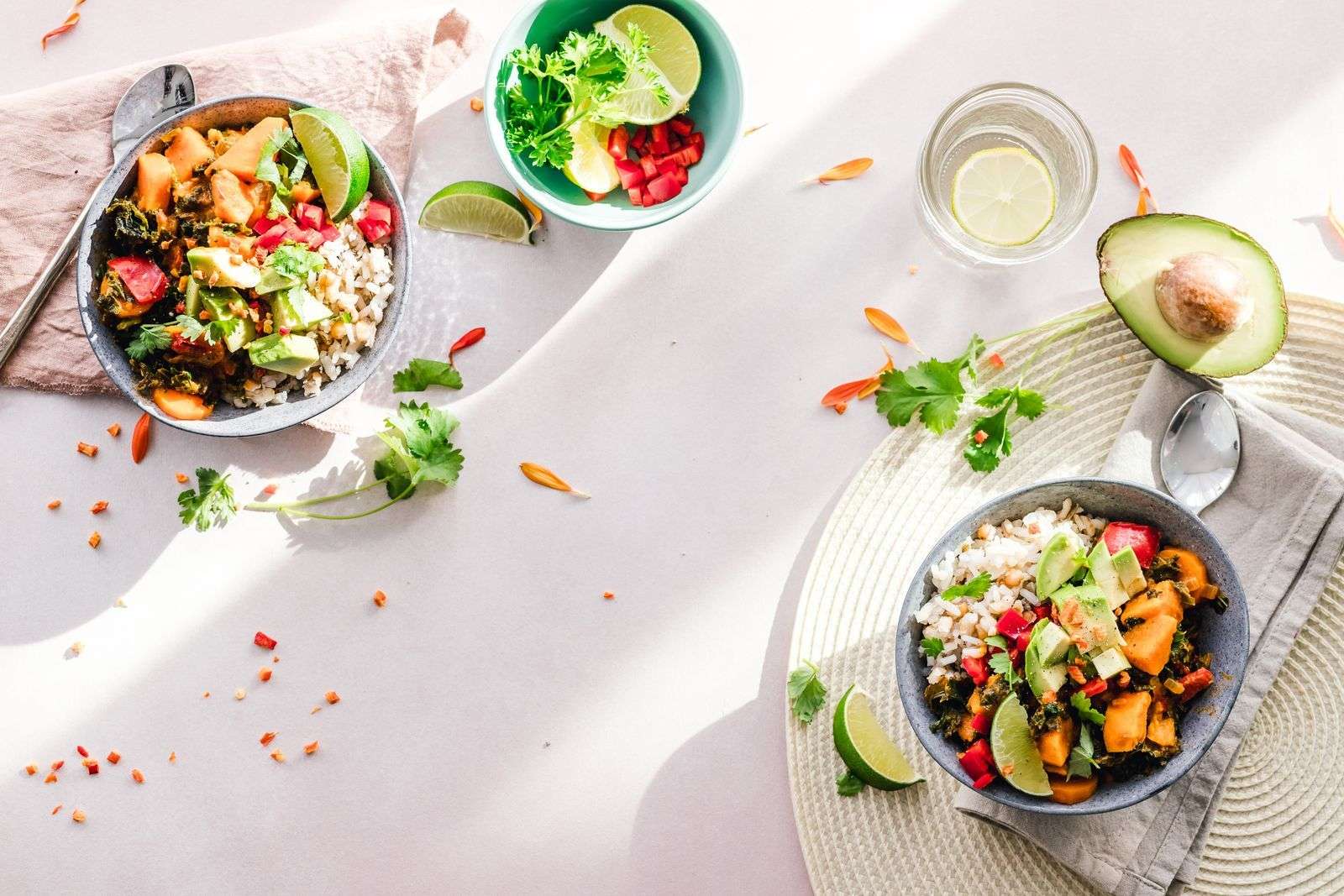
Polyphenol-rich plant foods. Polyphenols are natural compounds in plant foods with antioxidant and cell-protective properties, and several reviews link them to healthy autophagy activity. The practical list includes green tea, berries, apples, onions, nuts, turmeric, soybeans, and milk thistle. Dr. Pelz's longer list adds coffee, ginger, Ceylon cinnamon, ginseng, garlic, chaga and reishi mushrooms, pomegranate, elderberries, bergamot, berberine, resveratrol, and MCT oil. You do not need all of them. Building your eating window around colorful plants, quality fats, and moderate protein covers most of the bases.
Fasting-friendly drinks. One of the most common questions is whether coffee breaks a fast or shuts down autophagy. The current read of the research: coffee does not necessarily shut it down, and some studies in mice even suggest coffee may stimulate autophagy in various tissues. Black coffee, unsweetened green tea, and water are generally considered fine during a fast. What breaks the cleanup state is anything that meaningfully raises insulin or delivers a big protein load, which is why Dr. Pelz cautions against a heavy protein-heavy first meal if your goal is to stay in the repair zone a little longer.
A note on breaking your fast: Dr. Pelz recommends leading with fat to keep insulin low. My own habit, after longer fasts, has been to start with fruit, which felt right for my body after days without food. There is no single orthodoxy here. Pay attention to how you feel, reintroduce food gently after anything longer than 24 hours, and keep the first meal modest.
For more on the plant side of the equation, our guide to the best foods for gut health covers many of the same polyphenol-rich staples, since gut health and cellular health travel together.
Can You Get Autophagy Without Fasting?
Fasting is the best-studied trigger, but it is not the only one. If long fasts do not fit your life, these levers also support the cleanup system.
Exercise, especially HIIT. Exercise is itself a cellular stressor that triggers autophagy, particularly in muscle tissue. Research shows that both high-intensity interval training and longer moderate-intensity sessions increase autophagy markers. Some researchers have even suggested that workout intensity may matter more than short-term fasting for this particular pathway.
Sleep. Your cells do significant repair work overnight. During sleep, the brain and body clear waste products and damaged components. Consistently getting seven to nine hours of quality sleep gives the cleanup crew its nightly shift. This is one reason Dr. Pelz lists sleep as one of her five keys.
Stress management. Chronic stress disrupts the hormonal environment autophagy needs. Meditation, deep breathing, and yoga are the standard evidence-based tools. I have my own version of this: during my longest fast, I used a sleep mask with built-in guided meditations to ride out the hard hours, and the breathwork genuinely helped me switch off the urge to eat.
Heat, cold, and light. Dr. Pelz mentions red light therapy and hyperbaric oxygen as biohacks worth exploring, and the broader literature includes sauna use and cold exposure as mild cellular stressors. The evidence here is thinner than for fasting and exercise, so treat these as supporting players, not the main event.
Hydration. Water is the transport medium for the whole operation: it carries cellular components to their breakdown sites, keeps enzymes working, and flushes waste products so they do not accumulate and jam the system.
The Honest Limits: What the Science Cannot Tell You Yet
A health post that only lists benefits is a sales pitch. Here is what deserves skepticism and care.
Most of the mechanistic evidence is not from humans. The elegant five-stage process described above comes largely from cell and animal studies. Human data exists, like the Longo fasting trial, but it is early and small. As InsideTracker's review puts it plainly, more human studies are needed to fully understand the long-term effects of deliberately inducing autophagy.
There is no reliable way to measure it at home. Falling blood sugar and rising ketones tell you that you have shifted fuel sources. They do not tell you how much cellular cleanup is happening. Anyone selling you a precise "autophagy score" is selling you something else.
More is not always better. In cancer patients, tumor cells can ramp up autophagy as a survival mechanism to endure chemotherapy. Too little cleanup lets waste accumulate; too much can help the wrong cells survive. Context is everything.
Extended fasting has real risks. Prolonged fasts without planning can lead to muscle loss and hormonal imbalances. They are not appropriate for everyone, including people who are pregnant, people with a history of eating disorders, people on glucose-lowering medication, and anyone with significant medical conditions. I experimented with dry fasting, which means no food or liquids, and I want to be direct about it: the online claims around it are controversial, the risks are real, and if you ever feel faint, you take water immediately. My book says this and I will repeat it here: I am not a doctor, and what worked for my body may not work for yours.
Beware the hype cycle. Autophagy has tens of millions of views on social media, and not every viral claim survives contact with the literature. "Fasting eats your loose skin" and "autophagy melts fat directly" are oversimplifications. The cleanup is real; the marketing is often not.
2026 Update: The First Human Flux Measurements
The short answer on autophagy and fasting: Autophagy is your cells' recycling program, breaking down damaged parts for reuse. Fasting appears to ramp it up, but no human study has established a specific fast length that "triggers" it. The first direct human measurements came in 2025 from a fasting-mimicking diet trial. Treat hour-by-hour autophagy timelines as educated guesses, not facts.
Until recently, nearly everything claimed about fasting and autophagy rested on animal and cell studies, downstream of Yoshinori Ohsumi's Nobel Prize winning work in 2016 on how cells recycle their contents. That changed in 2025, when a pilot randomized trial in GeroScience tested two 5-day fasting-mimicking diet formulations in 30 healthy adults and measured actual autophagic flux, the movement of material through the recycling pathway, using LC3B ratios in blood immune cells. The Prolon arm showed a measurable increase in flux by day 6, persisting through day 8, alongside better fasting glucose, insulin sensitivity, and weight. Principal investigator Sara Espinoza of Cedars-Sinai called it among the first studies to evaluate the dynamic process of autophagy in humans during a nutrition program. The caveats are real: 30 people, a short window, and funding from the company behind the product, though the research was run by independent academics.
A second 2025 study in The Journal of Physiology took the harder road: 121 adults with obesity, assigned to standard care, daily calorie restriction, or calorie restriction plus a 20-hour fast on three nonconsecutive days each week. At two months, autophagic flux did not differ between groups. At six months, a post hoc analysis found a difference between the fasting and standard-care groups, but the fasting group had not improved against its own baseline. Small, fragile, and a long way from "17 hours flips the switch."
That is why the most useful 2026 take on this topic is the skeptical one. A detailed evidence review on rapamycin.news put it plainly: there is no human evidence for a fasting duration that "triggers" autophagy, and no human study links any measured autophagy change to a health outcome yet. Fast longer if you want the metabolic benefits, which are well supported. Just do not fast longer because a timeline graphic promised your cells start deep-cleaning at hour 17. For the practical side, our 16:8 beginner's guide covers the schedules with the best human data, and The Ultimate Guide for Intermittent Fasting compares every method.
My Take: What Fasting Taught Me
I did not come to fasting through a lab paper. I came to it because I was tired of thinking about food all day. Before I started, my whole day was organized around the next meal: what I would eat, where, how. The first thing intermittent fasting gave me was not a health metric. It was freedom. After a few days of holding a consistent eating window, the constant hunger noise faded. My body stopped demanding food on a schedule, which turned out to be enormously useful for someone who travels as much as I do. Airport food is a trap, and fasting let me walk past it.
The physical changes were hard to argue with. I went from 185 pounds to a stable 165, my stomach flattened out, and I could see muscle definition I had not had since college. But the change I valued most was mental. I wrote the first 80 pages of my book in two days, in a fasted state, because my mind was so clear. When there is nothing in your system to digest, there is nothing competing for your energy. That is not a metaphor I am borrowing from someone else. That is my direct experience.
I worked my way up gradually: two months of daily intermittent fasting, then four separate 40-hour fasts, then one 84-hour fast that I prepared for like an event. I cleared my calendar, quit alcohol for a month beforehand, ate only fruit the day before to ease in, and kept coffee, tea, and water on hand for the rough patches. I also leaned on a sleep mask with guided meditations to get through the hours when my brain was screaming for food. The breathwork in those tracks genuinely helped me switch off the panic response.
Breaking that 84-hour fast is one of my favorite food memories. I started with strawberries, pineapple, honeydew, and orange, and that first strawberry tasted like the sweetest thing I had ever eaten. Then came the real reward: fish curry, shrimp pad Thai, and gra pow beef with a fried egg from my favorite Thai spot. Taking food away for three and a half days taught me more about gratitude and self-control than any diet book ever could.
These days I keep it simpler. My eating window is tight, usually wrapping up around 8 in the evening, and I treat alcohol as eating, which means a drink counts against the window like a meal would. My standard dinner is unglamorous: turkey breast, cheese, and sourdough. It works, it is repeatable, and I do not have to think about it.
Do I believe fasting switched on autophagy in my cells? The science says the mechanism is real, the Nobel committee agreed the discovery mattered, and my body clearly went into a deep repair state during the long fasts. But I will not claim my personal results prove anything medical. They are one person's experiences, offered so you can decide what is worth trying in your own life, ideally with a professional who knows your health history.
If this is your first time here, The Biohack is where I publish what I am learning about health, one video and one deep dive at a time. If you want the next one in your inbox, drop your email in the signup box below. No spam, just the posts.
More Autophagy Questions
Do autophagy supplements like spermidine actually work?
The human data is early and mixed: small trials, mostly short, with modest signals. Spermidine occurs naturally in everyday foods, and exercise plus fasting have far more support as autophagy levers. A supplement that promises to "activate autophagy" without any lifestyle change is selling the sizzle.
Does exercise trigger autophagy too?
Yes, particularly in muscle tissue, where both animal and emerging human studies show exercise activates the recycling machinery. It is one more reason lifters get a longevity bonus on top of the strength. You do not have to choose between fasting and training for this benefit.
Can you test whether autophagy is happening in your body?
Not at home. Researchers measure autophagic flux in blood cells with lab techniques like LC3B ratios, and there is no consumer test, wearable, or app that can do it. Anyone selling you an "autophagy score" is guessing.
Is more autophagy always better?
No. Autophagy is context-dependent: healthy cells use it for maintenance, but cancer cells can hijack the same machinery to survive stress. The goal is a healthy baseline, not maximum. Extreme, unsupervised fasting in pursuit of "more cleanup" trades proven risks for unproven gains.
Does autophagy directly burn fat?
No. Autophagy is recycling, not lipolysis. Fat loss during fasting comes from the calorie deficit, full stop. Do not let anyone sell you an autophagy protocol as a fat-loss shortcut; the scale moves because you ate less, and my own extended fasts, including my 75-hour dry fast, confirmed the unglamorous math.
Frequently Asked Questions
How long do you need to fast to trigger autophagy?
There is no single agreed number. My book puts the shift at around 13 hours based on my experience, Dr. Pelz recommends going past 17 hours, and literature reviews generally cite 16 to 24 hours, with the effect intensifying on longer fasts. The emerging view is that autophagy ramps up gradually rather than switching on at an exact hour. A daily 16:8 routine likely gives you a modest daily dose; longer fasts go deeper but carry more risk.
How do you know if autophagy is working?
Honestly, you cannot measure it directly at home. Lower fasting blood sugar, rising ketones, and steady weight loss tell you that your body has shifted from burning glucose to burning stored fuel, which is the same shift that ramps up cleanup. But those are indirect signals, not an autophagy readout. Be skeptical of any product or influencer claiming to score your autophagy level precisely.
What breaks autophagy during a fast?
Anything that meaningfully raises insulin or floods the system with nutrients: a meal, a sugary drink, or, per Dr. Pelz's guidance, a very high-protein refeed that flips the body from repair mode back into growth mode. Black coffee, plain tea, and water are generally considered fine. If your goal is to extend the cleanup window, keep the first meal back small and low in refined carbohydrates.
Does coffee stop autophagy?
Current evidence says no, not necessarily. Research on the topic is ongoing, but some studies in mice suggest coffee may actually stimulate autophagy in certain tissues rather than shutting it down. A plain black coffee during your fast is unlikely to be the thing standing between you and cellular cleanup.
A Quick Disclaimer
This post is for educational purposes only and is not medical advice. Fasting affects everyone differently, and extended fasts in particular should only be undertaken with guidance from a qualified health professional, especially if you are pregnant, managing a medical condition, or taking medication. I am not a doctor. What worked for me may not work for you.
Your Turn
Have you tried fasting long enough to notice the shift, that clear-headed stretch somewhere past the 16-hour mark? Or does the whole idea sound miserable to you? Tell me where you land in the comments. I read every one.
