
Are Cold Plunges Worth It, or Just Hype?
Few wellness trends have gone from fringe to mainstream as fast as the cold plunge. The dedicated cold plunge tub now sits in luxury gyms, backyard setups, and influencer morning routines, usually accompanied by claims about fat burning, immunity, testosterone, and mental toughness. Some of these claims have evidence behind them. Several do not. Here is an honest accounting of cold plunge benefits and risks.
Do Cold Plunges Work? What the 2026 Research Says
Cold plunges are worth it for perceived recovery and a short-term mood lift, but not for fat loss, immunity, or testosterone. The newest review of 3,177 people found less stress 12 hours after immersion, a brief inflammation spike, and no immune benefit. Cold, brief, and consistent beats any exact protocol.
The January 2025 Meta-Analysis, in Plain English
The largest review to date (Cain et al., PLOS ONE, January 2025) pooled 11 studies with 3,177 participants. Immersions ran 7 to 15 degrees Celsius, chest-deep or more, from 30 seconds to 2 hours. Here is what it found:
- Stress dropped 12 hours after immersion (a large effect), but not immediately, at 1 hour, 24 hours, or 48 hours. Timing matters.
- Inflammation spiked immediately and 1 hour after, an acute stress response, not the anti-inflammatory calm the marketing promises.
- No significant effect on immune function. Longer-term, cold-shower participants reported 29% fewer sick days, but that is self-reported absence, not measured immunity.
- Sleep quality and quality of life improved; mood did not reach significance. The authors flag the evidence base as small, with few high-quality trials.
For heat as the counterpart, read my review of sauna and longevity evidence.
What a Cold Plunge Actually Does to Your Body
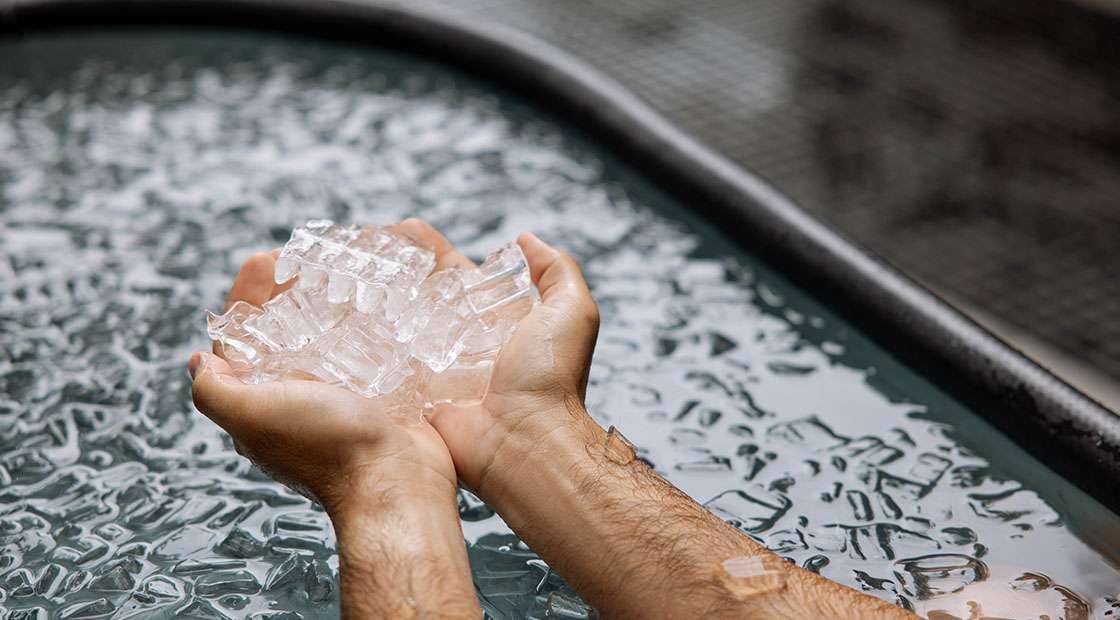
Cold water immersion, typically defined as water between about 10 and 15 degrees Celsius for a few minutes — the basis for most 2-minute cold plunge benefits claims — triggers an immediate and dramatic stress response. Your sympathetic nervous system fires, heart rate and blood pressure rise, and your body releases a surge of norepinephrine and dopamine.
That neurochemical surge is the most reliably documented effect of cold exposure in humans. Researchers measuring blood markers after cold immersion have reported substantial increases in norepinephrine and a sustained elevation in dopamine lasting well after the plunge ends. This maps neatly onto what plungers describe: a sharp mood lift, alertness, and a feeling of calm focus afterward. The subjective experience is real, and it has a measurable biological signature.
“That neurochemical surge is the most reliably documented effect of cold exposure in humans.”
Share on X
Everything beyond that gets progressively shakier.
Recovery: Genuinely Useful, With One Big Catch
Cold water immersion does reduce perceived muscle soreness after intense exercise. Multiple reviews of the sports science literature have found that post-exercise cold baths decrease soreness ratings and perceived fatigue in the following days. For athletes training or competing on consecutive days, that is a legitimate benefit.
Here is the catch that plunge enthusiasts rarely mention. Several well-designed studies have found that regular cold water immersion after resistance training blunts muscle growth and strength gains compared to training without it. The proposed mechanism is that cold suppresses the inflammatory signaling that, in moderate doses, drives muscular adaptation.
The practical implication is straightforward. If your priority is recovery between events or hard sessions, cold immersion after training makes sense. If your priority is building muscle over months of training, plunging right after every lifting session may work against you. Timing and goals matter more than the plunge itself. This kind of tradeoff is exactly why blanket claims about recovery biohacks that survive scrutiny need context, not slogans.
“If your priority is building muscle over months of training, plunging right after every lifting session may work against you.”
Share on X
Mood and Mental Health: Promising but Early
The mood effects of cold exposure are among its most interesting properties. Beyond the acute dopamine and norepinephrine surge, some researchers have hypothesized that repeated cold exposure could have antidepressant effects through sustained changes in stress-response systems.
The evidence here is genuinely preliminary. There are small pilot studies and case reports suggesting mood benefits, but no large randomized trials establishing cold immersion as a treatment for depression or anxiety. It is fair to call this a promising area of research. It is not fair to present cold plunges as a proven mental health intervention.
What you can say with confidence: many people feel noticeably better, more alert, and more resilient after a plunge, and the neurochemistry supports that experience. The leap from “I feel great after” to “this treats clinical depression” is where the evidence runs out.
Fat Loss, Immunity, and Testosterone: Mostly Hype
Cold exposure does activate brown fat and increase calorie burn during the exposure itself. But the magnitude is small relative to what diet and exercise accomplish, and there is no good evidence that regular plunging produces meaningful long-term fat loss. Shivering in a tub is not a weight-loss strategy.
Immunity claims usually trace back to studies showing that cold exposure increases certain circulating immune cells, like white blood cell counts, in the short term. An increase in circulating immune cells after a stressor is not the same as being better protected against infection. No solid evidence shows plungers get sick less often.
Testosterone claims are similarly thin. Acute stressors can transiently shift hormone levels, but there is no convincing evidence that cold plunging raises baseline testosterone in any clinically meaningful way. This one lives mostly in marketing copy.
The Risks Nobody Puts in the Caption
Cold water immersion is a genuine physiological stressor, and for some people it is dangerous. The cold shock response can cause involuntary gasping and rapid breathing, which is hazardous if your head goes under. Sudden immersion spikes blood pressure and cardiac workload, posing real risk for people with cardiovascular disease.
There is also the afterdrop effect, where core temperature keeps falling after you exit the water, and the risk of hypothermia with longer exposures. None of this means cold plunging is reckless for healthy people, but it is not the zero-risk wellness ritual it is often presented as. Start with short exposures, never plunge alone, and anyone with a heart condition should talk to a doctor first.
Contrast Therapy and Alternatives
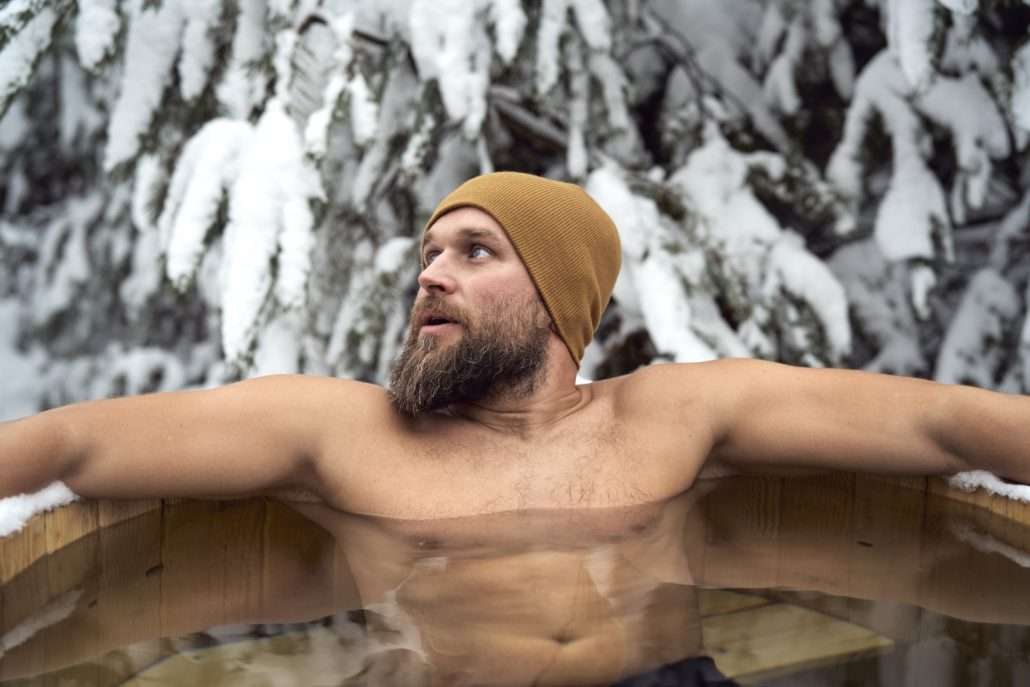
Cold plunges are often paired with sauna in contrast therapy protocols, alternating heat and cold. The evidence for contrast therapy specifically is thinner than for either modality alone, though athletes report enjoying it and perceived recovery benefits are consistent. If you like the ritual, alternating is reasonable, but do not assume the combination is more than the sum of its parts.
For those who dislike ice baths, the alternatives capture much of the benefit with less misery. Cold showers produce a milder version of the same neurochemical response and are far more accessible. Simply getting outside in cold weather, the original cold exposure, works too. The dose-response relationship for water temperature and duration is not precisely mapped, which means the “optimal protocol” arguments online are mostly theater. Cold, brief, and consistent beats any specific temperature prescription.
“Cold, brief, and consistent beats any specific temperature prescription.”
Share on X
How It Compares to Other Recovery Tech
Cold plunges are often marketed alongside an ecosystem of recovery technologies, from compression boots to infrared devices. It helps to keep perspective: the fundamentals of recovery are sleep, nutrition, and training programming. Cold immersion is a marginal optimizer on top of those, useful in specific contexts, not a foundation.
Cold Plunge Protocol Picker: Match the Protocol to Your Goal
This post already has a timer for the plunge itself. This picker answers the question before that: what should you actually do, based on your goal and the evidence above? Pick one, then check the safety screen. No protocol is one-size-fits-all, and none of this replaces medical advice.
Goal: faster recovery
- Water
- 10 to 15 degrees Celsius, chest-deep
- Time
- 3 to 5 minutes, right after training
- Frequency
- On hard training days only, not daily by default
Evidence note: athletes report less soreness, though the 2025 review shows an acute inflammation spike first. This is perceived recovery, not magic.
Catch: per this article’s ground rules, keep the ice bath away from lifting sessions if muscle growth is the goal.
Goal: mood and stress reset
- Water
- 10 to 15 degrees Celsius, or a cold shower
- Time
- 2 to 3 minutes
- Frequency
- 3 to 4 times per week, earlier in the day
Evidence note: the 2025 review found stress significantly lower 12 hours after immersion, plus better quality of life. Mood itself did not reach significance, so expect a reset, not a cure.
Catch: the stress benefit is time-dependent. Plunging at midnight for tomorrow’s calm is not what the data shows.
Goal: better sleep
- Water
- 10 to 15 degrees Celsius, or a cold shower
- Time
- 2 to 3 minutes
- Frequency
- Morning or early afternoon, several hours before bed
Evidence note: the 2025 review found improved sleep quality with cold-water immersion. Evening plunges can leave you wired, so do it early.
Catch: sleep gains in the review are modest. Fix your light exposure and bedtime first.
For information only, not medical advice. Talk to your doctor before changing anything.
The Bottom Line
Cold plunges are worth it for two things: faster perceived recovery between hard efforts, and a reliable mood and alertness boost from the neurochemical surge. They are probably not worth it as a fat-loss tool, an immune booster, or a testosterone hack, and they may slightly blunt muscle growth if done right after lifting.
If you enjoy the ritual and the way it makes you feel, that subjective benefit counts for something real. Just do not expect it to do the jobs that sleep, training, and diet do. And if muscle growth is the goal, keep the ice bath away from your lifting sessions.
Cold Plunge Questions, Answered (2026 Update)
These build on the FAQ already in this article, updated with the January 2025 meta-analysis.
How cold and how long should a cold plunge be?
The research base centers on 7 to 15 degrees Celsius, chest-deep or more, for 30 seconds to 2 hours, with most protocols landing at a few minutes. Colder and longer is not better studied, it is just more stressful.
Is a cold plunge good for the immune system?
Not by the measures we have. The 2025 review found no significant effect on immune function right after immersion. Cold-shower participants did report 29% fewer sick days over time, but that is self-reported absence from work, not proof of stronger immunity.
Should you cold plunge after lifting weights?
If your goal is maximum muscle growth, keep the ice bath away from lifting sessions, per this article's ground rules. Save plunges for rest days or endurance sessions. This is one of the few places where cold exposure has a genuine trade-off.
How often should you cold plunge?
No optimal frequency has been established in trials. The honest version of the internet's "11 minutes a week" style rules: pick a goal, use the picker above, and stay consistent for a few weeks before judging. Cold, brief, and consistent.
Who should not cold plunge?
Anyone with a heart condition or uncontrolled blood pressure should talk to a doctor first, since cold immersion spikes inflammation acutely and triggers a strong sympathetic response. Never plunge alone, and keep your head above water during the cold shock response. If you want heat-based recovery instead, see which biohacks actually work and which are a waste of money for how cold stacks up against the alternatives, including my HigherDose sauna blanket notes.
What Cold Plungers Say
Ask actual plungers why they keep doing it and the answer is almost never fat loss. NPR's Montana Public Radio piece on the cold plunge craze gathered the real reasons straight from the water. "Any anxiety, anything I'm struggling with, it's gone and when I come out of the water, I've left it in the water," says Audrey Nassal of the Puget Sound Plungers (mtpr.org). Riley Swortz describes the aftereffect: "There's a point where it's no longer cold anymore. This calm washes over you and I feel like that lasts for at least a few days" (mtpr.org). First-timer Alexis Gentry came back for "being present in my body and feeling the cold but being okay with it" (mtpr.org).
Long-term owners talk about it the way they talk about coffee: not a thrill, just part of the morning (seedsheets.com).
That matches this article's bottom line. The mood and alertness reset is the part people actually feel and keep coming back for. Everything else is marketing.
Frequently Asked Questions
Are cold plunges actually good for you?
For two things, yes: faster perceived recovery between hard efforts, and a reliable mood and alertness boost from the neurochemical surge. They are probably not worth it as a fat-loss tool, an immune booster, or a testosterone hack, and they may slightly blunt muscle growth if done right after lifting. They are also a genuine physiological stressor — start with short exposures, never plunge alone, and anyone with a heart condition should talk to a doctor first.
How often should you do the cold plunge?
The article does not prescribe a fixed schedule — it says timing and goals matter more than the plunge itself. If your priority is recovery between events or hard sessions, cold immersion after training makes sense; if your priority is building muscle, keep the ice bath away from your lifting sessions. The guiding principle given is 'cold, brief, and consistent' rather than any specific protocol.
