
Are Seed Oils Actually Bad for You?
Few nutrition topics generate more heat than seed oils. Canola, soybean, sunflower, and corn oil have been recast by wellness influencers as toxic industrial sludge driving obesity, inflammation, and chronic disease. The rhetoric is intense and the certainty is absolute. The scientific evidence, as usual, is more nuanced, and in several important ways points in the opposite direction.

What Seed Oils Are
Seed oils are vegetable oils extracted from seeds, as opposed to fruit oils like olive oil or animal fats like butter. They are high in polyunsaturated fats, particularly linoleic acid, an omega-6 fatty acid. They became dietary staples in the twentieth century because they are cheap, neutral-tasting, shelf-stable, and liquid at room temperature.
The case against them rests on three main arguments: that omega-6 fats drive inflammation, that the oils oxidize into harmful compounds when heated, and that their rise correlates with the rise in obesity and chronic disease. Each deserves examination.
The Omega-6 Inflammation Claim
The most common argument goes like this: omega-6 fatty acids are precursors to pro-inflammatory signaling molecules, modern diets contain far more omega-6 than our ancestors ate, therefore seed oils cause chronic inflammation.
The biochemistry is oversimplified. While it is true that arachidonic acid, derived from omega-6, feeds into inflammatory pathways, the human body tightly regulates this conversion, and dietary linoleic acid does not straightforwardly raise inflammatory markers. Randomized trials and meta-analyses examining linoleic acid intake and markers of inflammation have generally found no significant pro-inflammatory effect. Some analyses have even found neutral to slightly favorable associations.
The ancestral-ratio argument also leans on speculative reconstructions of prehistoric diets and ignores that absolute intake and overall dietary pattern matter more than any single ratio. Biochemistry is not arithmetic, and “more omega-6 equals more inflammation” is not what the controlled data shows.
What the Heart Disease Evidence Shows
Here is where the seed oil panic collides hardest with the evidence. Decades of research on replacing saturated fat with polyunsaturated fat, the main fat in seed oils, consistently show reductions in LDL cholesterol and, in the trials that measured it, reductions in cardiovascular events.
This is one of the better-supported findings in nutrition science, backed by randomized trials, not just epidemiology. The Minnesota Coronary Experiment and similar historical trials have been re-litigated endlessly online, but the overall body of evidence, including modern meta-analyses, supports the cardiovascular benefit of replacing saturated fats with unsaturated fats.
You do not have to love seed oils to accept this. You can prefer olive oil, which has excellent evidence of its own from Mediterranean diet research, while still acknowledging that the claim “seed oils cause heart disease” runs against the trial data.
Oxidation and Cooking: A Legitimate Nuance
Heating any fat can produce oxidation products, and polyunsaturated fats are more susceptible to oxidation than saturated or monounsaturated fats. This is real chemistry, and it is the seed oil critics’ strongest technical point.
In practice, the significance is smaller than claimed. Standard cooking temperatures with refined seed oils produce oxidation levels well within what normal metabolism handles. Repeatedly reheating oil to smoking point, as in some commercial deep-frying operations, is a different story, but that is an argument about abusive cooking practices, not about using canola oil for weeknight stir-fries.
If high-heat cooking is the concern, oils high in monounsaturated fats, like avocado oil or refined olive oil, offer more oxidative stability. That is a reasonable, evidence-aligned refinement, not a reason to fear all seed oils.
The Correlation Argument
Seed oil consumption rose during the same decades that obesity rose. So did consumption of refined sugar, ultra-processed food, total calories, sedentary entertainment, and dozens of other things. Blaming seed oils for obesity based on parallel trends is textbook correlation confusion.
More tellingly, seed oils are concentrated in ultra-processed foods, which are genuinely associated with poor health outcomes. But ultra-processed foods are also where the sugar, refined starch, sodium, additives, and hyperpalatability live. Attributing the harms of the whole category to one ingredient is convenient for content but poor for science. The problem is much more likely the processed food pattern than the oil in it.
What About the Anecdotes?
Many people report feeling better after ditching seed oils. As with other dietary overhauls, the likely explanations are mundane: removing seed oils usually means removing ultra-processed foods, cooking more at home, and paying attention to diet generally. The improvement is real. The attribution to seed oils specifically is unproven.
A Sensible Oil Strategy
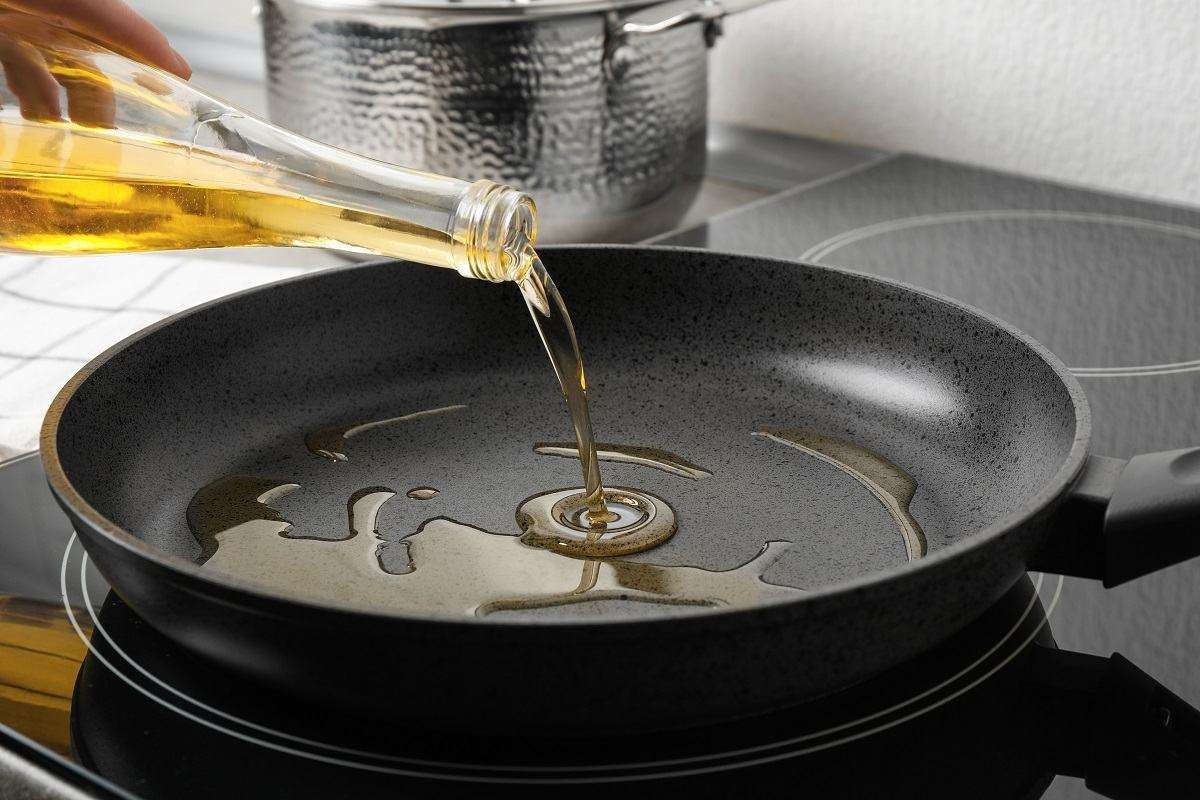
You do not need to pick a side in the oil wars. A pragmatic approach supported by the evidence:
- Use extra virgin olive oil as your default. It has the strongest health evidence of any cooking fat.
- Do not fear seed oils in normal cooking. The cardiovascular trial data does not support the panic.
- For very high-heat cooking, choose refined high-smoke-point oils, whether avocado, refined olive, or refined seed oils.
- Focus your fat anxiety where it belongs: the overall pattern. A diet of whole foods with olive oil as the staple is excellent regardless of where you land on canola.
- Be skeptical of health claims driven by marketing, whether they are selling you expensive alternatives or just selling engagement through fear.
What Would Change the Verdict
Honest science holds its conclusions provisionally, so it is worth stating what evidence would change this assessment. A large randomized trial showing that high seed oil consumption increases cardiovascular events or inflammatory disease compared to other fats would matter enormously. Long-term trials tracking autoimmune or metabolic outcomes by oil type would matter too. So far, the trials we have point the other way, but nutrition science has reversed itself before, and humility is warranted.
What would not change the verdict: more influencer testimonials, more mechanistic speculation about lipid peroxidation in test tubes, or more parallel-trend charts. The standard is controlled human data on outcomes that matter. Until that standard is met by the critics, the existing trial evidence stands.
The Bottom Line
Seed oils are not the toxin social media claims. The omega-6 inflammation theory is not supported by controlled trials, the cardiovascular evidence favors replacing saturated fat with polyunsaturated fat, and the obesity correlation dissolves under scrutiny. Legitimate nuances exist around high-heat oxidation and ultra-processed food patterns, but they do not justify the panic.
Among nutrition claims that hold up, “seed oils are poison” is not one of them. Cook with olive oil because the evidence for it is genuinely strong, not because you are afraid of canola. And whenever a nutrition claim arrives with absolute certainty and a villain, check whether the trials agree before rearranging your pantry.
