
Is Organic Food Worth the Extra Cost?
Organic food commands a significant price premium, often 20 to 50 percent more than conventional equivalents, sometimes higher. Shoppers pay it for reasons that range from nutritional beliefs to pesticide fears to environmental values. But when you ask the narrow question, does organic food make you healthier, the evidence is more complicated than either the true believers or the dismissive skeptics admit.
What “Organic” Actually Means
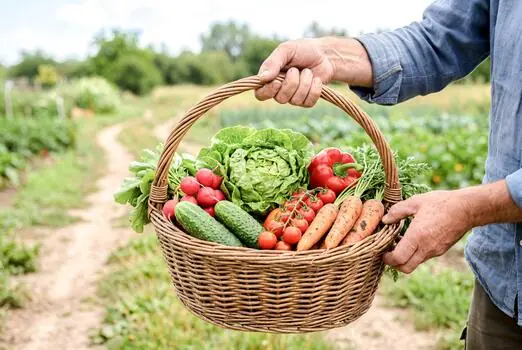
Organic certification regulates how food is grown, not how nutritious the final product is. Organic produce is grown without synthetic pesticides and fertilizers, organic meat comes from animals raised without routine antibiotics and with access to pasture, and organic processed foods exclude artificial preservatives, colors, and flavors.
What organic does not mean: more vitamins by definition, safer from all contaminants, or automatically healthier. It is a production standard, and judging it requires separating the production differences from the health outcomes.
Nutrition: Small Differences, Big Debate
The most comprehensive reviews of organic versus conventional nutrition have found modest differences. A well-known Stanford meta-analysis concluded that organic produce is not significantly more nutritious than conventional produce in terms of vitamin and mineral content, though it did find lower pesticide residues and slightly higher levels of certain antioxidants like polyphenols in some organic foods.
Later reviews have generally landed in a similar place: small nutritional differences that may or may not matter clinically. Organic milk and meat tend to have somewhat higher levels of beneficial omega-3 fatty acids, likely because organic standards require more pasture grazing. Whether these differences translate into measurable health benefits for the eater remains unproven.
The honest summary: if you are buying organic for a major nutritional upgrade, the evidence does not support the premium. The nutritional gap is real but small.
Pesticides: The Strongest Argument
Lower pesticide residue is the most evidence-backed advantage of organic food. Multiple studies measuring urinary pesticide metabolites have found that switching to an organic diet reduces detectable pesticide levels in the body, sometimes substantially and within days.
The harder question is whether those residues, at the levels found on conventional produce, actually harm health. Regulatory agencies set maximum residue limits with safety margins, and conventional produce overwhelmingly tests below those limits. Critics of the pesticide fear argue that the dose makes the poison, and typical exposures are tiny.
Where the concern is most legitimate: children, pregnant women, and farmworkers with occupational exposure face higher relative risks, and the science of low-dose, long-term, mixed-chemical exposure is genuinely incomplete. For the average adult eating conventional produce, the pesticide risk appears low, but “appears low given current knowledge” is not the same as “proven zero.”
The Produce-First Principle
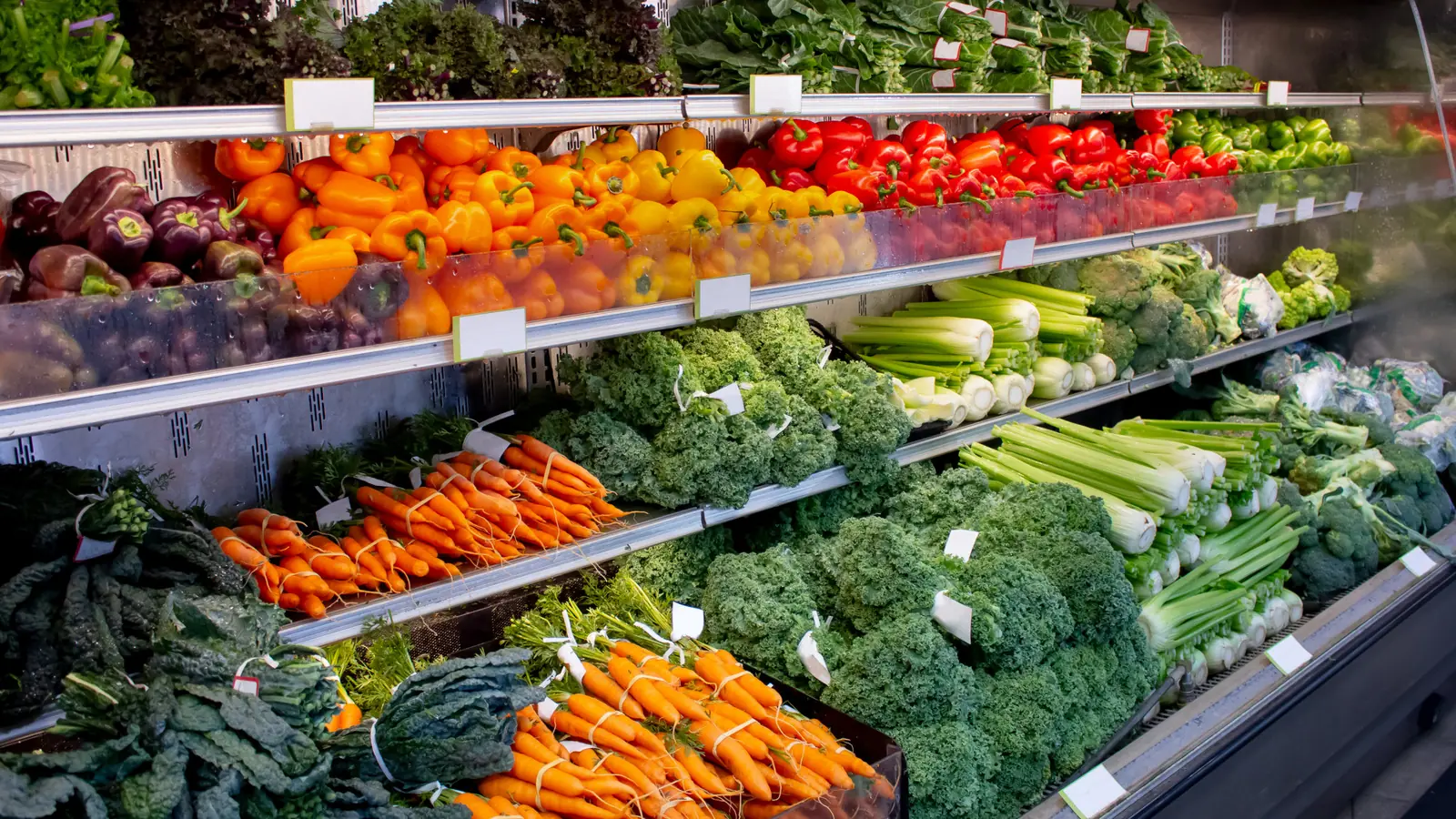
Here is the perspective that reframes the whole debate. The health difference between eating conventional vegetables and eating organic vegetables is dwarfed by the difference between eating vegetables and not eating vegetables. Someone who eats five servings of conventional produce daily is eating far healthier than someone who eats one serving of organic produce.
This matters because the organic premium causes some shoppers to buy less produce overall. If the price difference means fewer vegetables in the cart, the organic choice has backfired nutritionally. Never let the perfect be the enemy of the produce aisle.
A Practical Middle Ground
You do not have to choose all-organic or all-conventional. A targeted approach gets most of the benefit for a fraction of the premium:
- Prioritize organic for produce you eat in large quantities and for items eaten with the skin on, where residues concentrate. The Environmental Working Group’s annual produce lists, while debated, offer a reasonable starting heuristic for which items carry the most residue.
- Buy conventional for thick-skinned produce like avocados, bananas, and citrus, where residues are minimal regardless of farming method.
- Wash all produce thoroughly. Washing does not remove everything, but it meaningfully reduces surface residues on both organic and conventional items.
- For meat and dairy, organic standards around antibiotics and animal welfare may matter more to you than the nutritional differences, and that is a values judgment the science cannot make for you.
The Environmental Case
Separate from personal health, organic farming has environmental arguments worth weighing: reduced synthetic pesticide runoff, better soil practices on well-managed organic farms, and restrictions on routine antibiotics that contribute to resistance concerns. These are collective benefits rather than personal health benefits, but they are legitimate reasons someone might pay the premium. Just be clear with yourself about which reason is driving the purchase.
Local Versus Organic: A False Choice
Shoppers often treat “local” and “organic” as competing virtues, but they answer different questions. Local produce is fresher, which can mean better taste and possibly better nutrient retention, since some vitamins degrade with time after harvest. Organic describes production methods regardless of distance. A local conventional tomato picked yesterday may be nutritionally superior to an organic tomato shipped across the country two weeks ago.
If you have access to a farmers market, buying fresh local produce, organic or not, is one of the highest-value food moves available. Freshness affects the eating experience directly, and produce you enjoy is produce you actually eat. Do not let certification labels override the simpler logic of fresh, ripe, and appealing.
Opportunity Cost
Every dollar spent on the organic premium is a dollar not spent elsewhere on health. For many households, the spending wisely on health calculation favors putting that money toward more total produce, higher-quality protein to meet your daily protein needs, or simply a gym membership. Health budgets are finite, and the organic premium should compete honestly against those alternatives.
The Bottom Line
Organic food is worth it selectively, not universally. The pesticide reduction is real, the nutritional differences are small, and no solid evidence shows organic eaters live longer or healthier lives because of the label. Buy organic where it matters most to you, buy conventional produce generously, wash everything, and remember that eating plenty of vegetables of any certification beats eating few vegetables of the fanciest kind. The premium should be a targeted tool, not a blanket rule.
