




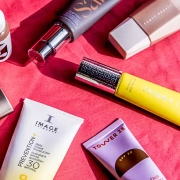

Sunscreen is essential for every skin tone, including deeper complexions. While melanin offers some natural protection, it is not enough to prevent sun damage, premature aging, or long-term concerns such as hyperpigmentation. Many people with dark skin tones struggle to find sunscreens that blend seamlessly, avoid white cast, and provide the right level of protection. The good news is that more brands are now formulating sunscreens specifically suited to melanin-rich skin.
This guide provides detailed sunscreen recommendations for dark skin tones, plus tips on application, ingredients, and texture preferences that ensure a smooth, invisible finish.
Why Sunscreen Is Essential for Dark Skin
Darker skin tones naturally have more melanin, which offers partial protection against UV rays, but it does not completely prevent skin damage. Sun exposure can still cause:
- Uneven skin tone
- Dark spots and hyperpigmentation
- Premature aging
- Skin cancer
Wearing sunscreen daily is one of the most effective steps you can take to maintain healthy, even-toned skin.
What to Look for in Sunscreen for Dark Skin Tones
Here are key characteristics that make sunscreen suitable for deeper complexions:
1. No White Cast
The biggest challenge for dark skin tones is finding sunscreens that blend without leaving a chalky or grayish tint. Look for formulas labeled “clear,” “invisible,” or “tinted.”
2. Lightweight, Non-Greasy Texture
Heavy creams can appear ashy or leave a residue. Opt for lightweight gels, fluids, or milky textures that absorb quickly.
3. Broad-Spectrum Protection
Choose sunscreens labeled broad-spectrum, which shield you from both UVA and UVB rays.
4. SPF 30 or Higher
Dermatologists recommend at least SPF 30 for everyday protection, regardless of skin tone.
5. Tinted Mineral Options
If you prefer mineral sunscreen but want to avoid a white cast, tinted mineral formulas can blend more naturally with melanin-rich skin.
Best Sunscreen Types for Dark Skin Tones
Clear Gel Sunscreens
These are ideal for people who dislike heavy creams. Clear gels glide smoothly across the skin and dry down without leaving residue.
Chemical Sunscreens
Chemical sunscreens absorb UV rays instead of sitting on top of the skin, making them a good choice for avoiding white cast. Modern chemical formulas are lightweight and suitable for deeper tones.
Milky Fluid Sunscreens
These sunscreens have a thin, lotion-like consistency that naturally absorbs into the skin, making them ideal for everyday wear.
Tinted Sunscreens
Tinted sunscreens balance the skin tone, reduce the appearance of hyperpigmentation, and offer mineral-based protection without leaving a chalky finish.
Recommended Ingredients for Smooth Blending
Look for sunscreens with:
- Invisible Zinc Oxide or micronized mineral filters
- Chemical UV filters such as avobenzone, homosalate, octisalate, or octocrylene
- Hydrating ingredients like glycerin, squalane, or hyaluronic acid
- Antioxidants like vitamin C or niacinamide to help brighten and even skin tone
Avoid heavy or highly occlusive ingredients if your skin is oily, but choose richer formulations if your skin is dry or combination.
How to Apply Sunscreen Correctly
Using sunscreen properly ensures maximum protection:
- Apply sunscreen as the last step in your morning skincare routine.
- Use two fingers’ worth of product for your entire face and neck.
- Blend well around the hairline, nose, and jawline to avoid uneven tint.
- Reapply every two hours if you are outdoors.
If your routine also includes treatments like Hydrating Face Masks for Dry Skin, apply those at night or on alternate days to avoid pilling or layering issues with sunscreen.
Common Sunscreen Concerns for Dark Skin Tones
“Sunscreen makes me look gray.”
This often happens with mineral sunscreens. Choosing clear gels or tinted options usually solves this issue.
“My skin feels greasy.”
Lightweight gel or fluid sunscreens absorb quickly and are ideal for oily or combination skin.
“Makeup doesn’t blend well over sunscreen.”
Choose sunscreens with a satin or natural finish rather than matte or oily formulas, which can interfere with makeup application.
“I don’t burn easily, so why do I need sunscreen?”
Even without burning, UV exposure can cause hyperpigmentation, uneven tone, and long-term damage.
Tips for Choosing the Best Sunscreen for Your Skin Tone
- Opt for sunscreens labeled invisible or ultra-clear for a seamless finish.
- Choose tinted sunscreens that align with your undertone (golden, neutral, red).
- Test a small amount on your jawline to ensure it blends well.
- Consider gel or serum-like textures if you prefer a lightweight feel.
- Look for hydrating sunscreens if your skin feels dry or tight.
Final Thoughts
Finding the right sunscreen for dark skin tones is key to maintaining a healthy, glowing complexion. With formulas specifically designed to blend invisibly on deeper tones, you can protect your skin without sacrificing comfort or appearance. Whether you prefer gels, fluids, chemical sunscreens, or tinted mineral options, the perfect match exists for your skin’s needs and lifestyle.