
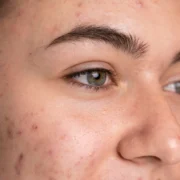
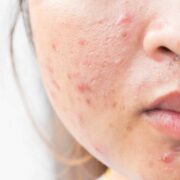
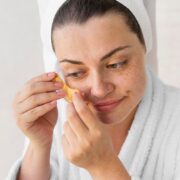
A clean, healthy skincare routine starts with understanding what goes into your products. Parabens—synthetic preservatives commonly used in cosmetics—have come under scrutiny for their potential link to hormone disruption and skin sensitivity. As a result, many consumers are now opting for paraben-free skincare routines for daily use, and brands are responding with safer, cleaner alternatives.
In this guide, we’ll walk you through how to build an effective paraben-free routine that works for all skin types, along with practical tips and natural alternatives you can trust.
Why Go Paraben-Free?
Parabens such as methylparaben, butylparaben, and propylparaben are used in skincare to prevent bacterial growth and extend shelf life. However, concerns have emerged over long-term exposure to these ingredients, especially as they can mimic estrogen and potentially disrupt hormonal balance.
Top reasons to go paraben-free:
- Reduced risk of irritation or allergic reactions
- Safer for hormone-sensitive individuals
- Better for sensitive or acne-prone skin
- Cleaner, more natural formulations
- Environmentally friendly options
Essential Steps in a Paraben-Free Skincare Routine
Creating a paraben-free skincare routine doesn’t mean compromising on results. It means choosing formulations that use natural preservatives or none at all (for short-use products). Here’s how to build your daily routine step by step:
1. Gentle Cleanser
Purpose: Remove dirt, excess oil, and makeup without stripping skin.
Look for:
- Cream or gel cleansers with soothing ingredients like aloe vera, chamomile, or calendula
- No artificial fragrance or harsh sulfates
Paraben-Free Product Tip: Brands like Pai, Acure, and Sukin offer paraben-free cleansers suitable for sensitive skin.
2. Alcohol-Free Toner
Purpose: Balance your skin’s pH and prep for hydration.
Look for:
- Rose water, witch hazel (without alcohol), green tea extract
- Hydrating botanicals like cucumber or hyaluronic acid
Usage Tip: Apply with a cotton pad or spray directly onto clean skin.
3. Antioxidant Serum
Purpose: Deliver active ingredients like Vitamin C or niacinamide to target dullness, fine lines, or uneven tone.
Look for:
- Stabilized Vitamin C or E, hyaluronic acid, or plant extracts
- Air-tight, UV-protected packaging for potency
Important: Ensure it’s labeled paraben-free and doesn’t contain synthetic preservatives disguised under chemical names.
4. Moisturizer
Purpose: Lock in hydration and support your skin barrier.
Look for:
- Ingredients like shea butter, jojoba oil, squalane, aloe vera
- Lightweight gel creams for oily skin; richer balms for dry skin
Paraben-Free Product Tip: Try moisturizers from brands like Mad Hippie, Andalou Naturals, or Drunk Elephant—all known for clean formulations.
5. Sunscreen (AM Only)
Purpose: Protect skin from harmful UV rays that cause aging and damage.
Look for:
- Mineral-based sunscreens (zinc oxide or titanium dioxide)
- Broad-spectrum SPF 30+
- Free from parabens and synthetic fragrances
Note: Sunscreen should be the final step in your morning routine.
6. Night Treatment (PM Only)
Purpose: Encourage skin renewal and repair while you sleep.
Look for:
- Paraben-free night creams with retinol alternatives like bakuchiol
- Natural peptides, ceramides, and plant oils
Use sparingly and build up gradually if you’re new to actives.
Weekly Add-On: Exfoliation & Face Mask
Once or twice a week, include a gentle exfoliator and a hydrating mask to boost your routine.
Natural Exfoliator:
- Look for fruit enzyme or lactic acid-based exfoliants
- Avoid walnut shell or harsh scrubs that can cause microtears
Paraben-Free Face Mask:
- Hydrating: Aloe vera, honey, cucumber
- Clarifying: Kaolin clay, charcoal, green tea
Want a totally natural option? Learn How to Make a DIY Face Mask at Home using pantry staples like oats, yogurt, and turmeric. This ensures you’re using only fresh, natural ingredients with zero preservatives or additives.
Sample Paraben-Free Daily Skincare Routine (All Skin Types)
| Step | AM Routine | PM Routine |
|---|---|---|
| 1. Cleanser | Gel-based with aloe vera | Gentle cream cleanser |
| 2. Toner | Rose water or green tea | Hydrating chamomile toner |
| 3. Serum | Vitamin C or niacinamide | Hyaluronic acid or bakuchiol serum |
| 4. Moisturizer | Lightweight cream with jojoba oil | Richer balm with shea butter |
| 5. Protection | Mineral SPF 30 (zinc oxide) | None |
Extras:
- 2x/week exfoliation with enzyme mask
- 1x/week DIY face mask with oats, honey, or turmeric
What Ingredients Replace Parabens?
Instead of parabens, many clean skincare brands use the following safer alternatives:
- Vitamin E (tocopherol) – antioxidant that stabilizes oils
- Essential oils – tea tree, rosemary, or lavender for antimicrobial action
- Potassium sorbate – gentle food-grade preservative
- Sodium benzoate – low-risk preservative in small amounts
- Leuconostoc/Radish Root Ferment – a natural ferment with antibacterial properties
FAQs: Paraben-Free Skincare
Is paraben-free skincare really safer?
Paraben-free products reduce the risk of hormone disruption and irritation, especially for those with sensitive skin or health concerns. Choosing paraben-free is a proactive step toward cleaner, safer skincare.
Are paraben-free products less effective?
No. With advancements in natural preservation, many paraben-free products offer equal or better results. The key is using fresh, well-formulated skincare and following a consistent routine.
Can I still use anti-aging products without parabens?
Yes. Look for natural anti-aging ingredients like bakuchiol (a retinol alternative), peptides, coenzyme Q10, and plant oils—all of which can deliver powerful results without harsh chemicals.
How do I know if a product is truly paraben-free?
Always read the ingredients label. Avoid anything ending in -paraben (e.g., methylparaben, propylparaben). Look for certifications such as “Certified Organic,” “EWG Verified,” or “Paraben-Free.”
Do men need a paraben-free routine too?
Absolutely. Paraben-free skincare benefits all genders, especially those prone to razor irritation, sensitivity, or hormonal imbalance.
Final Thoughts
Choosing a paraben-free skincare routine for daily use is a smart, sustainable step toward healthier skin. With cleaner formulations and naturally derived ingredients, you can build a routine that’s both effective and safe for long-term use.
Start with gentle, nourishing products and adjust based on your skin’s unique needs. And don’t forget—simple homemade treatments can be just as powerful. If you’re curious about natural skincare, explore tutorials on How to Make a DIY Face Mask at Home for a truly custom, chemical-free glow.
Clean beauty isn’t just a trend—it’s a lifestyle that puts your skin and your health first.