




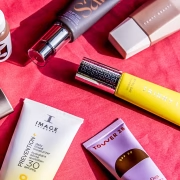

Acne-prone skin can be challenging to manage, especially when conventional skincare products often contain harsh chemicals that may trigger irritation or breakouts. If you’re looking for a gentler, more holistic approach, adopting a natural skincare routine can help support your skin’s healing process without causing further damage.
In this article, we’ll explore a step-by-step natural skincare routine specifically designed for acne-prone skin, backed by time-tested ingredients and mindful habits. We’ll also highlight how nutrition and lifestyle choices play a role in supporting clearer, healthier skin.
Why Choose a Natural Skincare Routine?
Natural skincare focuses on using ingredients derived from plants, minerals, and other natural sources. For acne-prone skin, this approach can offer several benefits:
- Fewer irritants and synthetic chemicals
- Anti-inflammatory and antibacterial properties
- Better long-term skin health
- Lower risk of over-drying or damaging the skin barrier
When consistently followed, a natural routine can calm inflammation, regulate oil production, and improve your skin’s ability to heal itself.
Daily Natural Skincare Routine for Acne-Prone Skin
Here is a basic daily routine using natural methods and ingredients that are gentle and effective:
| Step | Natural Ingredient/Method | Purpose |
|---|---|---|
| Cleanser | Raw honey or aloe vera gel | Removes dirt and bacteria without stripping skin |
| Toner | Witch hazel (alcohol-free) or rose water | Balances pH and tightens pores |
| Spot Treatment | Tea tree oil (diluted) | Fights acne-causing bacteria |
| Moisturizer | Jojoba oil or shea butter | Hydrates without clogging pores |
| Sun Protection | Zinc oxide-based mineral sunscreen | Prevents sun-induced irritation |
Step 1: Gentle Cleansing
Use raw honey or aloe vera gel as a cleanser in the morning and evening. These ingredients are naturally antibacterial and help to soothe inflammation. Apply a small amount to damp skin, massage gently, and rinse with lukewarm water.
Avoid foaming cleansers with sulfates, which can strip your skin of natural oils.
Step 2: Natural Toner
Apply a toner made from rose water or alcohol-free witch hazel. These help tighten pores, balance the skin’s pH, and reduce inflammation. Use a cotton pad or spray bottle for even application.
Step 3: Targeted Spot Treatment
For active breakouts, use tea tree oil diluted with a carrier oil (like jojoba or almond oil). Its antibacterial properties make it a powerful natural acne fighter. Apply directly to pimples using a cotton swab, once or twice daily.
Do not apply undiluted tea tree oil—it can irritate sensitive skin.
Step 4: Moisturize Wisely
Even oily or acne-prone skin needs hydration. Jojoba oil is structurally similar to the skin’s natural sebum and won’t clog pores. Another good option is aloe vera combined with a few drops of rosehip oil, which can help with scarring.
Step 5: Natural Sun Protection
Protecting acne-prone skin from the sun is essential. Use a mineral sunscreen with zinc oxide, which not only offers sun protection but also soothes inflamed skin. Avoid chemical sunscreens, as they may cause breakouts in sensitive individuals.
Weekly Additions to Your Routine
To boost results, incorporate the following 1–2 times per week:
| Treatment | Natural Ingredients | Benefits |
|---|---|---|
| Exfoliation | Oatmeal + honey scrub | Removes dead skin and unclogs pores |
| Face Mask | Bentonite clay + apple cider vinegar | Detoxifies and reduces oiliness |
| Steam | Chamomile or green tea facial steam | Opens pores and calms inflammation |
Internal Factors: Diet & Lifestyle
What you put on your skin matters, but what you eat plays a significant role too. A diet rich in whole foods, hydration, and anti-inflammatory nutrients can support your skincare efforts.
Certain Foods That Naturally Boost Metabolism—like green tea, leafy greens, and omega-3 rich seeds—also help regulate hormones, reduce inflammation, and support clearer skin. Avoiding excessive sugar, dairy, and processed foods may help minimize breakouts.
Other helpful habits include:
- Staying hydrated: Water flushes out toxins.
- Getting enough sleep: Skin repairs itself overnight.
- Stress management: Chronic stress spikes cortisol, worsening acne.
- Clean pillowcases and hands: Keep bacteria off your face.
Tips to Keep in Mind
- Always patch test new natural ingredients before applying them to your entire face.
- Keep your skincare routine consistent. Natural remedies take time but can offer lasting improvements.
- Avoid over-cleansing or over-exfoliating, which can damage your skin barrier.
- Be patient. Healing acne-prone skin naturally is a journey, not a quick fix.
FAQs: Natural Skincare for Acne-Prone Skin
Q1: How long does it take to see results with a natural skincare routine?
You may notice reduced redness and inflammation within 1–2 weeks, but full improvements typically take 4–6 weeks of consistent use.
Q2: Are natural oils safe for acne-prone skin?
Yes, if chosen carefully. Non-comedogenic oils like jojoba, rosehip, and hemp seed oil are generally safe and can balance sebum production.
Q3: Should I stop using conventional acne products altogether?
Not necessarily. You can gradually transition or combine both approaches, depending on your skin’s response. Consult a dermatologist if you’re unsure.
Q4: Can natural remedies help with acne scars?
Yes. Ingredients like rosehip oil, aloe vera, and turmeric have been shown to support skin regeneration and reduce hyperpigmentation.
Q5: What’s the best time to apply natural treatments?
Morning routines should focus on protection and hydration; evenings are best for cleansing and deep treatments like masks and spot applications.
Final Thoughts
A natural skincare routine for acne-prone skin is not just about avoiding chemicals—it’s about working with your skin’s natural functions to heal and protect itself. With consistent care, the right ingredients, and supportive lifestyle habits, you can calm your skin, reduce breakouts, and restore your natural glow.
By addressing both external and internal factors—including dietary choices like incorporating Foods That Naturally Boost Metabolism—you create a more holistic and sustainable path to clear, healthy skin.
Remember: consistency, patience, and simplicity are the pillars of a successful natural skincare routine.