



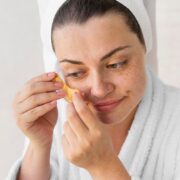


Maintaining healthy, glowing skin doesn’t have to rely on expensive products or harsh chemicals. A natural skincare routine emphasizes gentle, plant-based ingredients that nourish the skin, restore balance, and protect against environmental stressors. Whether your goal is hydration, acne control, or anti-aging, a natural approach can be highly effective when used consistently.
Natural skincare routines are popular because they minimize exposure to synthetic chemicals while supporting the skin’s natural protective barrier. With the right steps, anyone can achieve radiant skin using simple, effective ingredients.
What Is a Natural Skincare Routine?
A natural skincare routine involves using products or homemade remedies made from plant extracts, essential oils, and natural compounds. Unlike chemical-heavy products, natural skincare focuses on maintaining the skin’s balance without over-stripping or irritating it.
Key principles of a natural skincare routine include:
- Gentle cleansing
- Hydration and nourishment
- Sun protection
- Occasional exfoliation using mild ingredients
The goal is to support the skin’s natural processes while addressing specific concerns such as dryness, dullness, or acne.
Benefits of a Natural Skincare Routine
Gentle on the Skin
Natural ingredients such as aloe vera, honey, and jojoba oil are less likely to cause irritation or allergies compared to synthetic chemicals.
Hydrates and Nourishes
Plant-based oils and extracts provide essential nutrients while locking in moisture for soft, supple skin.
Environmentally Friendly
Natural skincare products are often biodegradable and use sustainable ingredients, making them eco-conscious choices.
Supports Long-Term Skin Health
Using gentle, natural products helps maintain the skin’s protective barrier and reduces long-term damage from harsh chemicals.
Essential Steps for a Natural Skincare Routine
Step 1: Cleansing
Cleansing is the first and most crucial step. Natural cleansers like honey, milk, or aloe vera gel remove dirt and excess oil without stripping the skin of its natural oils. Cleansing should be done twice daily—morning and night.
Step 2: Exfoliation
Exfoliation removes dead skin cells and improves skin texture. Gentle natural exfoliants include:
- Oatmeal
- Ground almonds
- Coffee grounds
Exfoliate once or twice a week to avoid irritation.
Step 3: Toning
Natural toners help balance the skin’s pH and tighten pores. Popular choices include:
- Rose water
- Green tea
- Witch hazel
Toning prepares the skin for the next step—moisturizing.
Step 4: Moisturizing
Moisturizing keeps the skin hydrated and smooth. Natural oils such as coconut, argan, or jojoba oil provide nourishment and help maintain the skin barrier.
For oily or acne-prone skin, lighter options such as aloe vera gel or a non-comedogenic natural moisturizer work best. Using a suitable routine can complement the Best Skincare Routine for Oily and Acne-Prone Skin.
Step 5: Sun Protection
Even with natural skincare, protecting the skin from UV damage is essential. Mineral sunscreens with zinc oxide or titanium dioxide provide safe and gentle protection.
Popular Natural Ingredients and Their Benefits
| Ingredient | Benefit | Common Use |
|---|---|---|
| Aloe Vera | Soothes, hydrates, reduces inflammation | Gel, moisturizer |
| Honey | Moisturizes, antibacterial | Cleanser, face mask |
| Coconut Oil | Nourishes and softens | Moisturizer, body oil |
| Green Tea | Antioxidant, protects against free radicals | Toner, serum |
| Oatmeal | Gentle exfoliation, calming | Scrubs, face masks |
| Rose Water | Balances pH, refreshes skin | Toner, facial mist |
Tips for a Successful Natural Skincare Routine
Maintain Consistency
Improvements take time. Stick to your routine daily for best results.
Stay Hydrated
Drinking water supports skin hydration and helps flush out toxins.
Eat a Balanced Diet
Fruits, vegetables, nuts, and seeds provide essential nutrients that support skin health.
Avoid Harsh Chemicals
Even if labeled natural, check ingredient lists to avoid harsh additives or synthetic fragrances.
Adjust for Skin Type
Not all natural ingredients suit every skin type. Patch test new products before regular use.
Natural Face Masks and Treatments
Using natural masks once or twice a week can boost the benefits of your routine. Some popular options include:
- Honey and turmeric mask for brightening
- Oatmeal and yogurt mask for soothing
- Aloe vera and cucumber mask for hydration
These treatments provide nutrients, hydration, and gentle exfoliation for glowing skin.
Common Mistakes to Avoid
- Over-exfoliating: Can damage the skin barrier and cause irritation.
- Skipping sunscreen: Sun protection is vital even when using natural products.
- Using too many ingredients at once: Simple routines are often more effective.
- Ignoring skin type: Customize the routine to your skin’s needs.
Frequently Asked Questions (FAQs)
1. Can natural skincare help with acne?
Yes, ingredients like honey, tea tree oil, and aloe vera can help reduce inflammation and control excess oil.
2. How long does it take to see results?
Consistent use typically shows improvements in 4–6 weeks, depending on skin type and concern.
3. Are natural skincare products safe for sensitive skin?
Generally, yes. However, always patch test new ingredients to avoid reactions.
4. Can natural skincare prevent aging?
Natural antioxidants such as green tea, vitamin C, and oils can help slow the effects of aging.
5. How often should I use a natural face mask?
Once or twice a week is ideal to avoid overloading the skin while still benefiting from nutrients.
Conclusion
A natural skincare routine is an effective way to maintain healthy, radiant skin using gentle and sustainable ingredients. With consistent cleansing, toning, moisturizing, and sun protection, combined with the occasional face mask or exfoliation, anyone can achieve soft, glowing skin.