
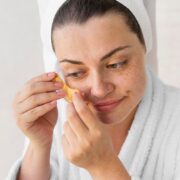
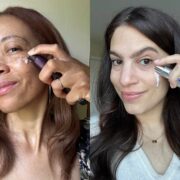


Hormonal acne is a common concern, especially for adults experiencing hormonal fluctuations due to stress, menstrual cycles, or other factors. Unlike regular breakouts, hormonal acne often appears on the lower face, jawline, and chin and can be stubborn and inflamed. While prescription treatments exist, many people prefer natural remedies for hormonal acne treatment to manage their skin gently and holistically.
This guide explores effective natural solutions, lifestyle changes, and preventive strategies to help control hormonal acne.
Understanding Hormonal Acne
Hormonal acne is primarily driven by changes in androgen levels, which increase oil (sebum) production in the skin. Excess oil can clog pores, trap bacteria, and lead to inflammation. Key triggers include:
- Menstrual cycles
- Stress and cortisol fluctuations
- Polycystic ovary syndrome (PCOS)
- Poor diet or digestive imbalances
Because hormonal acne is linked to internal factors, combining topical remedies with lifestyle adjustments is often the most effective approach.
1. Tea Tree Oil
- Properties: Natural antibacterial and anti-inflammatory
- How to Use: Dilute 1–2 drops in a carrier oil (like jojoba or coconut) and apply directly to pimples using a cotton swab.
- Benefits: Reduces redness, kills acne-causing bacteria, and promotes healing.
2. Aloe Vera
- Properties: Soothing, hydrating, and anti-inflammatory
- How to Use: Apply pure aloe gel to affected areas twice daily.
- Benefits: Calms inflamed skin and prevents scarring.
3. Apple Cider Vinegar (ACV)
- Properties: Antimicrobial and pH-balancing
- How to Use: Dilute 1 part ACV with 3 parts water and use as a toner with a cotton pad.
- Benefits: Helps unclog pores and restore skin’s natural balance.
4. Zinc Supplements
- Properties: Anti-inflammatory and hormone-regulating
- How to Use: Consult a healthcare provider for dosage; typically 30–50 mg daily is common.
- Benefits: Reduces sebum production and supports healing of acne lesions.
5. Green Tea Extract
- Properties: Antioxidant and anti-inflammatory
- How to Use: Apply cooled green tea bags or use skincare containing green tea extract.
- Benefits: Helps reduce hormonal acne inflammation and prevents new breakouts.
6. Diet and Lifestyle Adjustments
- Low Glycemic Diet: Reduce refined carbs and sugar to prevent insulin spikes that worsen acne.
- Increase Omega-3 Intake: Foods like salmon, flaxseeds, and walnuts reduce inflammation.
- Stay Hydrated: Water helps flush toxins and maintain healthy skin.
- Manage Stress: Practices like yoga, meditation, and sleep improve hormonal balance.
7. Gentle Skincare Routine
- Use a non-comedogenic cleanser twice daily.
- Avoid harsh scrubs that irritate skin.
- Incorporate natural exfoliants like salicylic acid from willow bark.
- Moisturize with lightweight, soothing lotions or gels to maintain skin barrier health.
Tip: Over-aggressive treatments can worsen acne. Balance is key, just like in hair care routines discussed in How to Fix Damaged Hair from Bleaching, where careful, consistent treatment restores health without causing more harm.
Hormonal Acne Prevention Table
| Remedy | How to Use | Benefits |
|---|---|---|
| Tea Tree Oil | Topical, diluted 1–2 drops | Reduces bacteria and inflammation |
| Aloe Vera | Direct application | Soothes and heals skin |
| Apple Cider Vinegar | Toner, diluted 1:3 | Balances pH and unclogs pores |
| Zinc Supplements | Oral, consult provider | Reduces sebum and inflammation |
| Green Tea | Topical or drink | Antioxidant, anti-inflammatory |
| Diet & Lifestyle | Low glycemic, Omega-3, stress management | Regulates hormones and reduces flare-ups |
Frequently Asked Questions (FAQs)
Q: How long does it take to see results with natural remedies?
Results vary, but consistent use for 4–8 weeks is usually necessary to notice improvement.
Q: Can natural remedies replace prescription treatments?
For mild hormonal acne, they can help significantly. For severe cases, a dermatologist may recommend combining natural approaches with medication.
Q: Are there risks with tea tree oil or ACV?
Yes, always dilute essential oils or vinegar to avoid irritation. Patch testing is recommended.
Q: Can lifestyle changes alone control hormonal acne?
They help significantly, especially when combined with topical treatments, but hormonal imbalances may still require medical guidance.
Q: Should I continue using these remedies after acne improves?
Yes, maintaining a balanced skincare routine and healthy lifestyle prevents recurrence.
Final Thoughts
Treating hormonal acne naturally involves a combination of topical remedies, diet, and lifestyle adjustments. Ingredients like tea tree oil, aloe vera, and green tea, along with zinc supplementation and stress management, can significantly reduce breakouts while supporting overall skin health.
Consistency and patience are essential, and gentle care is crucial—just as repairing chemically damaged hair requires thoughtful, step-by-step routines, as outlined in How to Fix Damaged Hair from Bleaching. With the right approach, hormonal acne can be managed effectively, leaving skin clearer, calmer, and healthier.