



Starting your journey as a makeup artist is exciting—but it can also be overwhelming. With so many products on the market, it’s hard to know which tools are truly essential when building your first professional kit. As a beginner, it’s crucial to invest in versatile, high-quality items that will help you achieve a variety of looks, whether you’re working on a photo shoot, bridal makeup, or everyday glam.
This guide breaks down the must-have tools for a beginner makeup artist kit, helping you get started with confidence and creativity.
Why Your Kit Matters
Your makeup kit is your toolbox—it’s what allows you to transform a face, highlight features, and express artistry. Having the right tools ensures efficiency, hygiene, and professional results. Even with a small budget, it’s possible to create a well-rounded kit by choosing products that are multi-use, travel-friendly, and reliable.
Core Categories of a Beginner Makeup Kit
Your makeup artist kit should be divided into five essential categories:
- Face Prep & Skin Tools
- Application Tools (Brushes & Sponges)
- Complexion Products
- Eye and Lip Tools
- Sanitation & Organization
Must-Have Tools for Every Beginner Makeup Artist
| Category | Tool | Why You Need It | Beginner Tip |
|---|---|---|---|
| Skin Prep | Moisturizer, Primer | Ensures smooth base and long wear | Choose products suitable for all skin types |
| Brushes | Foundation, Blush, Blending | Flawless application and control | Start with quality over quantity |
| Sponges | Beauty Sponge/Blender | Great for blending foundation and concealer seamlessly | Dampen before use |
| Foundation Tools | Palette + Spatula | Sanitary way to mix foundation or creams | Avoid double-dipping |
| Concealer Brushes | Small precision brush | Spot conceal with control | Use tapping motions for coverage |
| Eyeshadow Brushes | Flat, Blending, Smudge | For packing, blending, and detailing | Synthetic for creams, natural for powders |
| Eyelash Curler | Stainless steel curler | Opens up the eyes and preps lashes | Use before mascara only |
| Tweezers | Slant-tip tweezers | For grooming brows or applying lashes | Keep sanitized |
| Lip Brushes | Thin, tapered lip brush | For defined lipstick application | Use to blend or mix colors |
| Mascara Wands | Disposable spoolies | For hygiene and mascara application | Never double-dip |
| Mixing Palette | Stainless steel or acrylic | Keeps products sanitary and easy to mix | Easy to clean and reuse |
| Brush Cleaner | Quick-dry spray or shampoo | Keeps tools clean between clients | Clean after every use |
| Makeup Organizer | Portable case or pouch system | Keeps products separated and accessible | Label your compartments |
| Sanitizing Spray | Alcohol-based (70%+) | For sanitizing palettes and tools | Must-have for hygiene |
| Headband or Clips | For hair control during makeup | Keeps hair out of the face for clean application | Gentle grip to avoid marks on hair |
Face Prep & Hygiene First
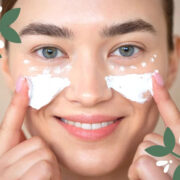
Before even touching a brush or palette, skin prep and hygiene tools are essential. A professional makeup artist always begins with clean hands, sanitized tools, and skin-friendly prep.
- Hydrating moisturizers for all skin types
- Silicone-based and water-based primers for different skin needs
- Micellar water and cotton pads to cleanse or remove makeup gently
- Tissues and blotting paper for oil control during touch-ups
Also, remember: sanitation is not optional. Your kit should include sanitizing spray, hand sanitizer, and disposable applicators (especially for mascara and lip products).
Essential Brushes & Tools
You don’t need 30 brushes to get started. Instead, focus on multi-functional brushes:
- Flat foundation brush or buffing brush for liquid or cream foundation
- Fluffy powder brush for setting powder or blush
- Angled brush for contour or brows
- Blending eyeshadow brush for seamless transitions
- Precision brush for detail work around eyes or lips
Sponges are another non-negotiable. A quality makeup sponge blends product into the skin naturally and is ideal for cream products like foundation, concealer, and cream blush.
Products You’ll Need to Apply
While this guide focuses on tools, a beginner’s kit should also contain:
- Foundations in a range of tones or adjustable shades (e.g., mixers)
- Concealers and color correctors
- Blush, bronzer, and highlight palettes
- Eyeshadow palettes with matte and shimmer finishes
- Lipstick or gloss options in key shades
- Setting spray and powder
Building a complexion range can be expensive, so start with adjustable formulas or products that allow for mixing. Use your mixing palette and spatula to customize shades hygienically.
Organizational Must-Haves
As your kit grows, staying organized is key. Use:
- Stackable pouches to separate tools, complexion products, and eye products
- Clear compartments to quickly find what you need
- Labels to identify product types or expiration dates
- Brush holders or rolls for clean and secure storage
Also, always carry backups of disposable tools like:
- Cotton swabs
- Makeup sponges
- Tissues
- Mascara wands
- Lip wands
Wellness Tools for Artists
Makeup artistry isn’t just about applying makeup—it’s about energy, confidence, and connection. Beginner artists often overlook the importance of wellness during long workdays. Staying hydrated, eating right, and taking care of yourself makes you a better artist.
Some professionals even swear by beauty supplements to support skin, hair, and nails. Products found in lists like Top-Rated Beauty Supplements for Hair Growth can be part of a broader wellness routine that keeps you feeling—and looking—your best behind the scenes.
FAQs: Beginner Makeup Artist Kit
Q1: How many brushes do I really need to start?
A: You can start with 5–8 essential brushes: one each for foundation, powder, blush, contour, and 2–3 for eyeshadow. Choose high-quality over high quantity.
Q2: Do I need to buy professional brands only?
A: Not at all. Many drugstore and mid-range brands offer professional-level performance. The key is formula performance, longevity, and hygiene.
Q3: How often should I clean my brushes?
A: After every client or use. Use a quick-drying brush cleaner for spot cleaning, and deep clean brushes weekly with a gentle soap or brush shampoo.
Q4: Should I carry full-size products or travel-size?
A: Travel-size products are easier to carry, especially when you’re mobile. However, for frequently used items like foundation or moisturizer, full-size may be more practical.
Q5: How do I practice sanitation as a beginner?
A: Use a clean mixing palette and spatula for creams. Never double-dip. Always use disposable wands for mascara and lips, and sanitize powders with 70% alcohol after each use.
Final Thoughts
Building your first makeup artist kit can feel overwhelming, but with the right strategy, it’s completely manageable. Start with versatile, high-quality tools, prioritize hygiene and organization, and invest in items that grow with your career.
Your kit is a reflection of your professionalism, so take time to build it thoughtfully. As you grow more experienced, you’ll naturally discover your favorite brands and tools—but for now, this foundational checklist will set you up for success.
Stay curious, keep practicing, and never stop learning. Your artistry begins with your tools—but it grows with your passion.