




Beginning a skincare routine need not be complicated or intimidating. Many newbies are left feeling overwhelmed by product choices and advice that seems to contradict itself, but the reality is that a basic skincare routine has benefits in three simple steps: cleansing, moisturizing, and sun protection. When you have these basic steps down, you can tailor a routine to your specific skin type and concerns.
A successful skincare routine begins with consistency and simplicity, focusing on gentle products that clean your skin, keep it hydrated, and protect it from damage. You don’t have to purchase a bunch of products or adhere to a 10-step routine to see results. Beginning with the basics lets your skin adapt as you find out what works best for you.
Guidelines for the first-time routine: Everything you need to know to build your first skincare routine. You’ll know what products to use, how to use them, and when to include new steps as your knowledge grows.
Key Takeaways
- A basic skincare routine requires only three steps: cleansing, moisturizing, and applying sunscreen
- Start with simple products suited to your skin type before adding treatments or extra steps
- Consistency matters more than using expensive products or following complex routines
Essential Steps to Start Your Skincare Routine
There’s a lot that goes into how to build a skincare routine, including understanding your skin’s individual needs and using products in the right order. It starts with knowing your skin type, choosing the right cleanser, staying hydrated and shielding your skin from the sun.
Identifying and Understanding Your Skin Type
Your skin needs will tell you which products are best for you. The five major types are oily, dry, combination, normal and sensitive.
With oily skin, sebaceous glands are overactive and the skin may appear shiny, especially on the T-zone. You’ll see enlarged pores and you may break out. Search for an oil-free moisturizer and products that are non-comedogenic — meaning they won’t clog your pores.
Dry skin feels tight and may be flaky or have rough patches. It requires a thick, nurturing cream containing ceramides, hyaluronic acid, and glycerin to replenish moisture.
Combination skin is when you have oily and dry areas of your face, usually an oily T-zone with dry cheeks – sound familiar? You may need to use different product for your different zones.
Normal skin is moisturized and neither too oily nor too dry. Sensitve skin is easily irritated by products and becomes red, itchy, or sore. opt for fragrance-free, gentle formulas that are specifically formulated for reactive skin.
You need to wash your face first then wait an hour to not use any products to find out what type you have. Observe how your skin feels and looks.
Choosing the Right Cleanser for Your Needs
A cleanser is designed to purify your skin from dirt, oil, makeup, and pollutants without compromising your skin barrier. Select according to your skin type and cleansing requirement.
A mild cleanser is good for the majority of skin types particularly if you have sensitive or dry skin. Check for cream or lotion based formulations that clean without causing tightness. Foaming cleansers are good for oily skin as they clean excess sebum from skin efficiently, however, stay away from products which contain sulfates as they can be very harsh.
If you’re wearing makeup or sunscreen, double cleanse. Start with an oil-based cleanser to break down makeup and SPF, then use a water-based mild cleanser. This allows for deep cleansing, without excessive scrubbing.
If you’re prone to breakouts, always opt for non-comedogenic formulas. Cleanse twice a day—morning and night—with lukewarm water. Hot water removes natural oils and affects your skin barrier.
Rub your face dry with a clean towel or pat dry.
How to Moisturize Effectively
Every skin type needs moisture, that includes oily skin. They lock in moisture and also fortify your skin barrier to protect against environmental stressors.
Oil-free, non-comedogenic, fragrance-free moisturizers for oily skin also come in gel and lotion forms. Ingredients such as hyaluronic acid offer hydration without weight. Ceramides to help repair your skin, glycerin to pull moisture into your skin, and squalane not only helps lock in your moisture but repairs your barrier.
Moisturizer should be applied on wet skin within 60 seconds of cleansing. This holds water against your skin to give you better moisture. For added moisture you can also add a hydrator (serum) underneath your moisturizer, especially if your skin is dehydrated.
Seek out moisturizers that contain ceramides – they repair and strengthen your skin barrier. Hyaluronic acid pulls moisture from the air into your skin. Glycerin and squalane offer long-lasting hydration without blocking pores.
Apply moisturizer twice a day, using as much or as little as your skin needs.
Daily Sun Protection and Why SPF Matters
Sunscreen is the #1 product for precautionary anti-aging and anti-skin cancer care. Sun protection daily provides protection from UVA and UVB rays that damage skin even under a layer of clouds.
Select a broad-spectrum sunscreen that has an SPF of at least 30. Broad spectrum a product that protects from both UVA (aging) and UVB (burning) rays. Blocks roughly 97% of UVB rays when SPF is 30+.
Use your day cream with SPF every morning as the last step of your skincare routine, and apply a quarter teaspoon of it on your face. Every two hours outdoors or immediately after sweating . UV damage is cumulative, resulting in wrinkles, age spots and higher risk of skin cancer.
If you tend to get breakouts, opt for products that are labeled non-comedogenic. Mineral sunscreens (with zinc oxide or titanium dioxide) are best for sensitive skin, while chemical sunscreens are absorbed into the skin and can be worn under makeup.
Don’t miss the sun block on those indoor days. UVA rays go through windows and age you.
Expanding and Personalizing Your Routine
Once you’ve mastered the basics of cleansing, moisturizing, and sun protection, you can address specific skin concerns with targeted treatments and refine your approach for morning and evening rituals.
Incorporating Treatments and Serums
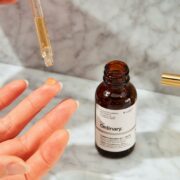
Serums deliver concentrated active ingredients that target specific skin concerns like dark spots, fine lines, and breakouts. You should apply serums after cleansing and before moisturizing, when your skin can best absorb their potent formulations.
Vitamin C serum works as an antioxidant that brightens your complexion and fades pigmentation when used in your morning routine. Niacinamide reduces the appearance of pores, controls oil, and calms redness, making it suitable for most skin types at any time of day.
For anti-aging concerns, retinol or retinoid treatments stimulate collagen production and smooth wrinkles and texture. Start with a low concentration once or twice weekly in your evening routine, as retinoids increase sun sensitivity and can cause irritation initially.
Salicylic acid penetrates pores to clear blackheads and prevent breakouts, making it essential for acne-prone skin. Peptides support skin repair and firmness, while targeted treatments for specific concerns should be introduced one at a time to monitor how your skin responds.
Gentle Exfoliation for Healthy Skin
Exfoliation eliminates dead skin cells that contribute to flaky skin, dullness and blocked pores. Chemical exfoliants are much gentler than physical scrubs and are primarily AHAs (alpha hydroxy acids) and BHAs (beta hydroxy acids).
Exfoliants options like glycolic and lactic acid (both AHAs) break down the bonds holding together dead skin cells on the surface to improve texture and reveal a brighter complexion. BHA, and more specifically salicylic acid, penetrates deeper into your pores to treat breakouts and blackheads.
Start to exfoliate using your evening routine now, and then become a twice-per-week exfoliator. You may apply a hydrating toner containing mild exfoliants or a separate chemical exfoliant item. Don’t ever exfoliate on the same night you apply retinol, since the two treatments together can irritate your skin.
Building Morning and Evening Skincare Habits
Your morning is a routine time to shield your skin senses away day. Cleanse, layer with vitamin C or another antioxidant, moisturize, and always finish with sunscreen as your last step.
At night, your skin-care regimen is all about skin repair and restoration. Double-cleanse if you’re wearing makeup or sunscreen, then slather on your targeted treatments like retinol or exfoliants. Follow with a hydrating toner to reintroduce moisture, then lock it all in with your moisturizer.
For more hydration, you can use a sleeping mask or facial oil as your last step in your nighttime regimen. You may not need as many products as you think; consistency matters more than quantity. A skincare routine with a handful of good products will get stronger results than an on-again, off-again routine with a glut of items. Allow at least four weeks for new products to show results before deciding whether they are effective for your skin concerns.