



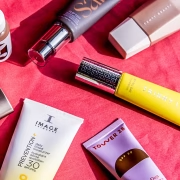


In the world of 10-step routines and overwhelming product choices, minimalist skincare is a refreshing approach. It focuses on quality over quantity, emphasizing only the most essential steps for healthy, balanced skin. Whether you’re new to skincare or trying to simplify your shelf, building a minimalist skincare routine can save you time, money, and stress—while still delivering results.
Let’s break down what a minimalist routine really means, how to build one based on your skin type, and what products you actually need.
What Is a Minimalist Skincare Routine?
A minimalist skincare routine is about doing more with less. Rather than layering numerous serums, toners, and treatments, it focuses on 3–5 essential products that target your skin’s core needs: cleansing, moisturizing, and protecting.
This approach:
- Reduces the risk of irritation from product overload
- Saves time and money
- Simplifies decision-making
- Helps you identify what truly works for your skin
Step-by-Step: Building Your Minimalist Skincare Routine
1. Cleanser (AM + PM)
Cleansing is the foundation of any skincare routine. It removes dirt, oil, and impurities, allowing your skin to breathe and absorb other products effectively.
Choose a gentle cleanser suited for your skin type:
- Dry skin: Cream or hydrating cleansers
- Oily skin: Gel-based or foaming cleansers
- Sensitive skin: Fragrance-free, non-foaming cleansers
2. Moisturizer (AM + PM)
Moisturizer keeps your skin hydrated and helps maintain the natural skin barrier. Even oily and acne-prone skin types need daily moisture.
Look for:
- Lightweight gel moisturizers for oily skin
- Thicker creams or lotions for dry skin
- Non-comedogenic formulas to prevent breakouts
3. Sunscreen (AM)
This is non-negotiable. Daily SPF protects your skin from premature aging, sunburn, and UV damage—even on cloudy days.
Choose:
- Broad-spectrum SPF 30 or higher
- Lightweight, non-greasy textures for daily wear
- Mineral or chemical based, depending on your preference
4. Treatment (Optional, PM)
Once you’ve established your basic three steps, you can introduce one treatment product if needed. Keep it simple—no need to layer multiple actives.
Examples:
- Salicylic acid for acne
- Vitamin C for brightening
- Retinol for anti-aging
Stick to one active treatment to avoid irritation and allow your skin to adjust.
Minimalist Skincare Routine for Different Skin Types
| Skin Type | Cleanser | Moisturizer | Sunscreen | Optional Treatment |
|---|---|---|---|---|
| Oily | Gel or foaming cleanser | Oil-free gel moisturizer | Matte finish SPF | Niacinamide or Salicylic Acid |
| Dry | Cream or hydrating cleanser | Rich cream with ceramides | Hydrating SPF | Hyaluronic Acid or Squalane |
| Combination | Gentle foaming cleanser | Balancing lotion or cream | Lightweight SPF | Vitamin C or Lactic Acid |
| Sensitive | Fragrance-free, non-foaming | Barrier-repair cream | Mineral sunscreen | Azelaic Acid (if tolerated) |
| Acne-prone | Salicylic or benzoyl peroxide | Non-comedogenic gel cream | Oil-free SPF | Retinol or Niacinamide |
Tips for Maintaining a Minimalist Routine
- Stick to consistency: Results come from regular use, not variety.
- Introduce products slowly: If adding a new product, wait at least one week before adding another.
- Avoid multitasking products that overlap: For example, don’t layer Vitamin C, exfoliants, and retinol all at once.
- Let your skin rest: Sometimes, less is more—especially when your skin feels irritated or over-processed.
- Supplement with natural treatments sparingly: If you’re into DIY skincare, consider Homemade Face Masks for Glowing Skin in Summer, but don’t overdo it. Keep masks occasional, not daily.
Do You Really Need Serums, Toners, and Eye Creams?
In a minimalist routine, most people can skip these:
- Toners are often unnecessary, especially if your cleanser is pH-balanced.
- Eye creams may be redundant if you’re using a good facial moisturizer.
- Serums can be beneficial but should be used sparingly—stick to one if needed.
The more you add, the more complicated it becomes. Focus on what your skin actually needs, not what’s trending.
FAQs: Minimalist Skincare
How many products should a minimalist skincare routine include?
Ideally, 3 to 5: cleanser, moisturizer, sunscreen, and possibly one treatment product.
Can I use the same products morning and night?
Yes, with a few exceptions. You’ll use sunscreen only in the morning, and if using active treatments like retinol, apply those at night.
Is it okay to skip moisturizer if I have oily skin?
No. Oily skin still needs hydration. Skipping moisturizer can trigger more oil production. Choose a lightweight, oil-free formula.
How long should I give a product before switching?
Use a product consistently for at least 4–6 weeks unless you experience irritation. Skincare results take time.
Can minimalist skincare help with acne?
Yes. A simplified routine reduces the risk of irritating your skin with too many actives. Use a non-comedogenic moisturizer and introduce one acne treatment at a time.
Final Thoughts
Minimalist skincare is not about doing less for your skin—it’s about doing only what your skin needs. By focusing on essentials, you reduce the risk of irritation, save money, and give your skin space to breathe and heal. It’s ideal for beginners, those with sensitive skin, or anyone looking to simplify their routine without sacrificing results.
Don’t get caught in the trap of overcomplicating your skincare. Stick to a few high-quality, well-formulated products, stay consistent, and your skin will thank you. If you enjoy the occasional self-care ritual, supplement your basic routine with Homemade Face Masks for Glowing Skin in Summer—just make sure they complement your minimalist approach, not replace it.