
Chemically treated hair often looks beautiful at first glance—sleek from straightening, vibrant from coloring, or full of bounce from perming. But beneath the surface, these treatments can strip hair of natural oils, weaken protein structures, and lead to long-term damage. To maintain healthy, shiny locks, a gentle hair mask for chemically treated hair is essential.
This article explores what makes a hair mask gentle yet effective, how often to use one, and key ingredients that restore your hair’s natural strength. Whether you’ve had your hair bleached, permed, relaxed, or dyed, the right hair mask can help reverse damage and keep your strands smooth and manageable.
Why Chemically Treated Hair Needs Extra Care
Chemical treatments compromise the hair’s natural structure. While they deliver style or color results, they also leave hair more porous, drier, and prone to breakage. Common chemical treatments include:
- Hair coloring (dye or bleach)
- Relaxers or perms
- Keratin treatments
- Chemical straightening
All of these strip away natural moisture and disrupt the protective cuticle layer. The result? Brittle, dull, frizzy hair that breaks easily. That’s where a specially formulated hair mask comes in.
Benefits of a Gentle Hair Mask
A gentle hair mask works deeply without further stressing or damaging chemically treated hair. Benefits include:
- Restores moisture: Rehydrates dry, brittle strands.
- Repairs damage: Strengthens weakened hair fibers.
- Improves elasticity: Prevents breakage and split ends.
- Boosts shine and smoothness: Seals the cuticle layer for a sleeker finish.
- Balances pH: Helps restore the scalp and strand’s natural balance.
Key Ingredients to Look For
When selecting a gentle hair mask, avoid harsh ingredients like sulfates, silicones, or alcohols. Instead, choose products with natural, reparative ingredients such as:
| Ingredient | Benefit for Chemically Treated Hair |
|---|---|
| Hydrolyzed Keratin | Repairs broken protein bonds in the hair shaft |
| Argan Oil | Deeply moisturizes and adds shine |
| Coconut Oil | Penetrates the hair shaft to reduce protein loss |
| Aloe Vera | Soothes the scalp and hydrates the hair |
| Shea Butter | Rich in fatty acids for intense nourishment |
| Panthenol (Vitamin B5) | Adds moisture and strengthens strands |
| Oat Extract | Calms sensitivity and enhances softness |
Choose a mask that is sulfate-free, paraben-free, and color-safe to prevent further chemical stress on your strands.
How to Use a Gentle Hair Mask Properly
To get the most benefit from your hair mask, follow these steps:
- Wash your hair with a mild, sulfate-free shampoo to remove build-up.
- Towel-dry gently to remove excess water, but keep hair damp.
- Apply the mask from mid-length to ends (avoid roots unless it’s also a scalp treatment).
- Comb through using a wide-tooth comb for even distribution.
- Leave on for 10–30 minutes (check product instructions).
- Rinse thoroughly with cool or lukewarm water to seal the cuticle.
For an even deeper treatment, wrap hair in a warm towel or use a shower cap while the mask sits.
Pro Tip:
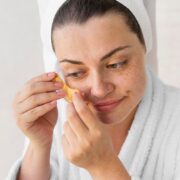
Use Zero-Waste Cotton Pads Reusable Care to apply pre-mask treatments like hair oil or aloe vera directly to targeted areas. These pads are eco-friendly and gentle on the scalp.
DIY Gentle Hair Mask Recipes
If you prefer a homemade option, try one of these easy recipes:
Coconut & Honey Repair Mask
- 2 tablespoons coconut oil
- 1 tablespoon raw honey
- A few drops of argan oil (optional)
Mix and apply to damp hair. Leave on for 20–30 minutes and rinse thoroughly.
Avocado & Banana Hydration Mask
- 1 ripe banana
- 1/2 ripe avocado
- 1 tablespoon olive oil
Blend until smooth, apply to hair, and cover with a shower cap. Rinse out after 30 minutes.
How Often Should You Use a Hair Mask?
Chemically treated hair requires consistent care. For best results:
- Mild damage: Use a mask once per week
- Moderate to severe damage: Use 2–3 times per week
- Maintenance: Use once every 7–10 days after hair improves
Consistency is key to long-term results.
Mistakes to Avoid
Avoid these common mistakes when using hair masks:
- Using too much product: Can weigh hair down or lead to build-up.
- Applying to dirty hair: Reduces absorption of nutrients.
- Leaving it on too long: Can cause protein overload or scalp irritation.
- Using the wrong ingredients: Harsh chemicals or allergens can worsen the damage.
Choose gentle, clean formulas and follow product directions for best results.
FAQs
What is the best gentle hair mask for colored or bleached hair?
Look for masks with keratin, argan oil, or panthenol. These ingredients restore protein and moisture without stripping color. Ensure it’s labeled as color-safe.
Can I use a hair mask instead of conditioner?
No. Hair masks are intensive treatments and should be used weekly or bi-weekly, while conditioner should be used after every wash to maintain daily moisture balance.
How long should I leave a hair mask on?
Most gentle masks are designed to be left on for 10 to 30 minutes. Always read the label, and avoid leaving protein-rich masks on for too long to prevent stiffness.
Is DIY better than store-bought?
DIY masks with natural ingredients like coconut oil or avocado can work well, but store-bought masks are often more balanced in pH and protein/moisture content for chemically treated hair.
Can I sleep with a hair mask on?
Only if the product is specifically designed for overnight use. Otherwise, it may lead to scalp buildup or irritation.
Final Thoughts
A gentle hair mask for chemically treated hair is not just a luxury—it’s a necessity. Whether you color, straighten, or perm your hair, it needs deep care to remain healthy and strong. Choose products with hydrating and reparative ingredients, apply them consistently, and avoid harsh additives that could cause further harm.
Also, don’t forget the tools that support your hair care routine—like Zero-Waste Cotton Pads Reusable Care—which promote sustainability while being gentle on the scalp.
By making hair masking a regular part of your self-care routine, you can enjoy the style and color you love, without sacrificing hair health.