
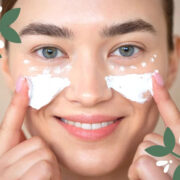





With so many skincare products and trends on the market, it can be overwhelming to figure out what actually works for your skin. Dermatologists focus on routines that are scientifically backed, simple, and effective—no fluff, no guesswork.
This guide breaks down a dermatologist-recommended skincare routine that suits most skin types and can be easily customized based on specific concerns like acne, aging, dryness, or sensitivity.
Why Follow a Dermatologist-Recommended Routine?
Dermatologists focus on evidence-based skincare, meaning each step in the routine serves a function:
- Prevention (against sun damage, wrinkles, and acne)
- Treatment (targeted serums or actives)
- Maintenance (hydration and barrier support)
Unlike more elaborate methods like the Korean 10-Step Skincare Routine, this approach is streamlined and based on what your skin actually needs, not just trends.
Core Dermatologist-Recommended Skincare Steps
1. Gentle Cleanser (AM & PM)
A non-stripping, pH-balanced cleanser removes dirt, oil, and pollutants without damaging the skin barrier.
Tip: Avoid foaming cleansers with sulfates, especially if you have sensitive or dry skin.
2. Targeted Treatment (AM or PM)
This is where serums or actives come in, depending on your skin goals.
- Vitamin C (AM): Brightens and protects from environmental damage
- Retinoids (PM): Encourages cell turnover and reduces signs of aging
- Niacinamide: Calms redness, regulates oil
- Salicylic Acid or Benzoyl Peroxide: Treats acne
3. Moisturizer (AM & PM)
A must for all skin types—even oily skin needs hydration. Moisturizers help repair the skin barrier and lock in hydration.
For oily skin: Lightweight gel-based moisturizers
For dry skin: Thicker, cream-based formulas
For sensitive skin: Fragrance-free and non-comedogenic options
4. Broad-Spectrum Sunscreen (AM only)
SPF is non-negotiable. Dermatologists consistently agree that daily sunscreen is the best anti-aging product you can use.
- Use SPF 30 or higher
- Apply 15 minutes before sun exposure
- Reapply every 2 hours if outdoors
5. Optional: Night Treatment Layer
In the evening, after applying actives and moisturizer, some dermatologists suggest using a nourishing product like a peptide cream, sleeping mask, or occlusive balm to seal everything in—especially in dry climates or during winter.
Routine Overview: Morning vs. Night
| Step | Morning Routine | Evening Routine |
|---|---|---|
| 1. Cleanser | Gentle cleanser | Gentle cleanser |
| 2. Treatment | Vitamin C or niacinamide | Retinoid or other actives |
| 3. Moisturizer | Lightweight or medium cream | Richer cream or same as AM |
| 4. Sunscreen | SPF 30+ | Not required |
| 5. Optional | — | Night balm or sleeping cream (if needed) |
Tips from Dermatologists
- Don’t over-exfoliate. Use chemical exfoliants (like AHAs or BHAs) no more than 2–3 times per week.
- Stick to one new product at a time. This helps identify if something causes irritation.
- Avoid fragrance if you have sensitive skin. It’s one of the top triggers for skin reactions.
- Patch test active ingredients. Especially retinol and acids.
How This Differs from Trend-Based Routines
While the Korean 10-Step Skincare Routine emphasizes layering multiple hydrating and treatment steps, dermatologists typically recommend a minimalist approach focused on long-term skin health. The goal is not just to pamper the skin but to protect and strengthen it.
FAQs: Dermatologist-Recommended Skincare
Q1: Can I skip moisturizer if I have oily skin?
No. Skipping moisturizer can make your skin produce more oil to compensate. Choose a non-comedogenic, oil-free formula instead.
Q2: How do I start using retinol?
Begin with a low concentration (0.25–0.5%) two to three nights a week. Always follow with a moisturizer and avoid using it with other strong actives at the same time.
Q3: Is toner necessary?
Most dermatologists agree that toners are not essential unless you’re using one with a specific active ingredient (like glycolic acid). Many modern cleansers already balance the skin’s pH.
Q4: What’s the best age to start a skincare routine?
Start as early as your teens with a gentle cleanser, moisturizer, and sunscreen. Anti-aging products like retinol can be introduced in your mid-to-late 20s.
Q5: Can I use multiple serums at once?
Yes, but apply them from thinnest to thickest, and avoid layering conflicting actives (like vitamin C and retinol) unless guided by a professional.
Final Thoughts
A dermatologist-recommended skincare routine prioritizes your skin’s health through proven, simple, and effective steps. You don’t need a 10-product ritual to get results—just a consistent plan with targeted ingredients.
Whether you’re managing dryness, acne, aging, or sensitivity, following this kind of routine can improve skin texture, reduce irritation, and support long-term skin resilience.