



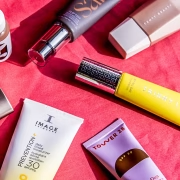


Acne and breakouts can be frustrating, especially when they seem to flare up right after you’ve put in effort to look your best with makeup. While hormones, diet, and skin type play roles in acne, many people overlook how their makeup habits might be contributing. If your skin often breaks out after wearing makeup, you might be making one or more of the following common mistakes.
1. Not Cleaning Your Brushes and Tools Regularly
Dirty brushes are one of the leading causes of makeup-related breakouts. Makeup tools accumulate product buildup, oil, dead skin cells, and bacteria. When used repeatedly without cleaning, they transfer that bacteria back onto your face, clogging pores and causing breakouts.
What to do:
Clean your brushes at least once a week using a gentle brush cleanser or baby shampoo. Let them dry completely before using again.
2. Using Expired Makeup
Makeup has a shelf life. Over time, the preservatives break down, allowing bacteria to grow. Using expired foundation, concealer, or powder can irritate your skin and trigger breakouts.
Check these general expiration guidelines:
- Foundation: 6–12 months
- Mascara: 3–6 months
- Lipstick: 12–18 months
- Powder products: 12–24 months
3. Skipping Skin Prep
Applying makeup on unclean or unmoisturized skin is a recipe for clogged pores. Makeup applied to dry, flaky skin also tends to sit unevenly, making breakouts more likely.
What to do:
Always cleanse, tone, and moisturize your skin before applying makeup. Even oily skin needs hydration to prevent overproduction of sebum.
4. Not Removing Makeup Properly
Sleeping in your makeup or not removing it thoroughly can lead to clogged pores and inflamed skin. Micellar water alone isn’t always enough to break down heavy products like foundation, primer, or waterproof makeup.
What to do:
Double cleanse every night. Start with an oil-based cleanser or cleansing balm to remove makeup, then follow up with a gentle water-based cleanser to clean your skin.
5. Using Comedogenic Products
Some makeup products contain ingredients that are known to clog pores (comedogenic). These include certain oils, waxes, and silicones. Using these products—especially foundation and concealer—can lead to acne, blackheads, and whiteheads.
What to do:
Check product labels for terms like “non-comedogenic,” “oil-free,” or “dermatologist-tested.” Be cautious with heavy creams or full-coverage products if you have acne-prone skin.
6. Applying Makeup with Your Fingers (Without Washing Them)
Using your fingers to apply makeup isn’t necessarily bad—unless your hands aren’t clean. Unwashed hands carry bacteria, oil, and dirt that transfer directly onto your face during application.
What to do:
Wash your hands thoroughly before applying any skincare or makeup products.
7. Using Too Many Layers
Layering foundation, concealer, powders, and setting sprays can feel like you’re building a flawless look, but excessive product buildup suffocates your skin and traps oil and bacteria beneath the surface.
What to do:
Use lightweight formulas and allow your skin to breathe. Less is often more when it comes to makeup—especially for acne-prone skin.
8. Ignoring Patch Testing
Introducing a new product without testing it can trigger allergic reactions, irritation, or breakouts—especially if your skin is sensitive.
What to do:
Always patch test new products on a small area of your skin (like your jawline or behind your ear) before applying them to your entire face.
9. Contouring with the Wrong Products
Heavy contour products—especially when applied thickly—can clog pores, particularly around the cheek and jaw areas where breakouts are common. Cream contours, while great for a natural blend, can be pore-clogging if not chosen carefully.
If you’re following a tutorial like “How to Contour a Round Face Using Cream Products”, make sure the products are non-comedogenic and well-suited for your skin type. Always blend thoroughly and remove the product completely at the end of the day.
10. Not Washing Makeup Sponges Regularly
Makeup sponges, especially beauty blenders, are porous and can harbor bacteria if not cleaned and dried properly. Using a dirty sponge repeatedly is a fast track to skin congestion and breakouts.
What to do:
Clean your sponge after every use. Use gentle soap or a sponge cleanser, rinse well, and allow it to air dry in a clean, open space.
Table: Quick Fixes for Makeup-Related Breakouts
| Problem | Solution |
|---|---|
| Dirty brushes | Wash weekly with mild cleanser |
| Expired makeup | Check labels; replace old products |
| Poor skin prep | Cleanse, tone, and moisturize before applying makeup |
| Incomplete makeup removal | Double cleanse every night |
| Comedogenic ingredients | Choose non-comedogenic, oil-free products |
| Unwashed hands | Wash hands before touching your face |
| Product overload | Use lightweight, breathable makeup |
| No patch testing | Always patch test new products |
| Heavy cream contours | Choose light, non-comedogenic cream products |
| Dirty makeup sponges | Clean after each use and let dry completely |
FAQs: Makeup and Acne
Can wearing makeup every day cause acne?
Wearing makeup daily doesn’t automatically cause acne, but poor makeup habits—like using dirty tools or not removing makeup properly—can trigger breakouts.
What type of makeup is best for acne-prone skin?
Look for non-comedogenic, oil-free, and fragrance-free products. Mineral makeup is often a good choice for acne-prone skin.
Should I stop wearing makeup if I have acne?
You don’t have to stop completely, but it’s important to use the right products and remove makeup properly. Give your skin makeup-free days to recover when possible.
How often should I clean my makeup brushes?
Clean face brushes (foundation, concealer, blush) at least once a week. Eye brushes can be cleaned every 1–2 weeks. Sponges should be washed after every use.
Can certain ingredients in makeup cause breakouts?
Yes, ingredients like isopropyl myristate, coconut oil, and certain silicones can clog pores. Always check ingredient lists if you have acne-prone skin.
Final Thoughts
Breakouts caused by makeup are often preventable. By cleaning your tools, choosing the right products, preparing your skin properly, and removing your makeup thoroughly, you can enjoy makeup without sacrificing your skin health. Even if you love experimenting with trends like How to Contour a Round Face Using Cream Products, being mindful of product quality and hygiene makes all the difference. Your skin will thank you.