



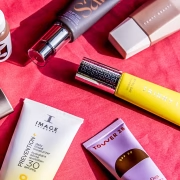


Sleep isn’t just a time for rest—it’s a critical period when your body repairs and regenerates, especially your skin. During deep sleep, cell turnover increases, collagen production is boosted, and the skin barrier repairs itself. To make the most of these natural processes, your nighttime routine should include Clean Beauty Sleep Essentials that work in harmony with your skin’s overnight rhythms.
In this guide, we’ll explore what clean beauty means in the context of nighttime skincare, the key essentials to include, and how to build a bedtime ritual that promotes truly restorative beauty sleep.
Why Clean Beauty Matters at Night
While you’re asleep, your skin is more permeable and receptive to skincare ingredients. This makes it even more important to choose clean, non-toxic products that support—not disrupt—your skin’s natural function. Clean beauty means:
- No harmful additives (parabens, synthetic fragrances, sulfates)
- Non-comedogenic formulations that won’t clog pores
- Plant-based or naturally derived ingredients
- Sustainable and skin-friendly preservatives
Nighttime is when your skin is most vulnerable, and clean products ensure that you’re nourishing—not irritating—your complexion.
The Essentials for Clean Beauty Sleep
A proper nighttime routine doesn’t require 10+ steps. Instead, focus on a few targeted, high-performing clean products that work synergistically. Below is a guide to the most effective Clean Beauty Sleep Essentials:
1. Gentle, Non-Stripping Cleanser
Start your routine with a sulfate-free cleanser that removes makeup, dirt, and excess oil without disturbing the skin’s moisture barrier. Look for ingredients like chamomile, aloe vera, or oat extract.
2. Nourishing Toner or Essence
Toners formulated with rose water, hyaluronic acid, or green tea can prep your skin to absorb deeper treatments. Skip alcohol-based formulas, which can dry or irritate the skin.
3. Targeted Treatment Serum or Drops
This is where you address specific concerns like breakouts, dryness, or hyperpigmentation. For example, if you’re battling blemishes overnight, Blemish Clearing Herbal Drops can calm inflammation and purify the skin using plant-powered actives without harsh chemicals.
4. Repairing Night Cream or Balm
Choose a moisturizer rich in ceramides, peptides, or botanical oils to hydrate deeply and aid in skin recovery. Clean night creams with minimal fragrance are ideal for sensitive or inflamed skin.
5. Silk or Bamboo Pillowcases
Your bedding matters. Natural, breathable materials like silk or bamboo reduce friction, prevent irritation, and are less likely to absorb your skincare products—allowing them to stay on your face and do their job.
6. Clean Sleep Environment
Ensure your room is free from toxins, allergens, and blue light. Use a humidifier if you’re in a dry climate and avoid synthetic scents or harsh candles that might interfere with breathing and skin health.
Clean Beauty Sleep Routine Example
| Step | Product Type | Purpose |
|---|---|---|
| 1 | Gentle Cleanser | Remove impurities without disrupting barrier |
| 2 | Balancing Toner | Restore pH and prep skin for actives |
| 3 | Blemish Clearing Herbal Drops | Treat breakouts while soothing inflammation |
| 4 | Night Cream or Balm | Hydrate and support overnight recovery |
| 5 | Silk Pillowcase | Reduce friction and preserve skincare benefits |
Sleep Hygiene for Better Skin
Clean beauty sleep isn’t just about products—it’s also about your habits. The following practices can enhance your skin’s ability to repair overnight:
- Go to bed at the same time every night to support your circadian rhythm.
- Avoid caffeine and alcohol before bed, which can disrupt sleep quality.
- Use a sleep mask or blackout curtains to maximize melatonin production.
- Unplug from screens at least 30 minutes before bed to prevent blue light exposure.
- Practice mindfulness or meditation to reduce stress, a major trigger for skin issues.
Remember, your skin reflects your overall wellness. A consistent sleep schedule and mindful routine are just as important as what you put on your face.
Frequently Asked Questions (FAQs)
What is the best time to apply nighttime skincare?
Apply your clean beauty sleep products 30–60 minutes before bed to allow for full absorption. This also gives your skin time to “breathe” before contact with pillowcases or bedding.
Can I use essential oils at night?
Only use essential oils that are skin-safe and properly diluted. Some, like lavender and chamomile, promote sleep and soothe the skin. Avoid phototoxic oils and synthetic blends.
How often should I change my pillowcase?
At least twice a week—especially if you’re prone to acne or use rich skincare products. Clean fabrics reduce the risk of bacteria buildup and skin irritation.
Is it okay to skip moisturizer at night?
Only if your skin is extremely oily and doesn’t feel dry after applying serums. However, most skin types benefit from a light, clean moisturizer to seal in hydration and nutrients overnight.
Final Thoughts
Your nighttime skincare routine should support your body’s natural repair cycle, not fight against it. By choosing Clean Beauty Sleep Essentials, you allow your skin to breathe, heal, and thrive without exposure to unnecessary toxins or synthetic irritants. Whether it’s calming inflammation with Blemish Clearing Herbal Drops or nourishing your skin with a gentle night cream, each product plays a vital role in achieving a clear, glowing complexion.
True skin transformation doesn’t happen overnight—but it does happen while you sleep.