


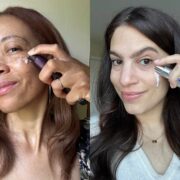


Hyperpigmentation and dark spots are common skin concerns caused by sun exposure, acne scars, hormonal changes, or aging. These spots can affect confidence and evenness of skin tone. Using targeted serums is an effective way to lighten dark spots, promote skin renewal, and achieve a brighter complexion.
This guide explores the best serums for hyperpigmentation, key ingredients to look for, and tips for maximizing results.
Why Use Serums for Hyperpigmentation
Serums are highly concentrated formulations that deliver active ingredients deep into the skin. Benefits of using serums for dark spots include:
- Targeted Treatment: Focuses on problem areas without affecting the entire face.
- High Potency: Contains higher concentrations of active ingredients like vitamin C, niacinamide, and retinol.
- Faster Results: Penetrates skin effectively for quicker improvement.
- Hydration: Many serums also provide moisture and antioxidants.
Combining serums with sun protection enhances their effectiveness.
Top Serums for Hyperpigmentation and Dark Spots
Here’s a table of highly recommended serums:
| Serum | Key Ingredients | Benefits | How to Use |
|---|---|---|---|
| Vitamin C Serum | L-ascorbic acid, ferulic acid | Brightens skin, reduces dark spots, protects against free radicals | Apply 3–5 drops to clean face, morning routine, follow with sunscreen |
| Niacinamide Serum | Vitamin B3 | Reduces discoloration, improves skin barrier, anti-inflammatory | Apply twice daily before moisturizer |
| Retinol Serum | Retinol, peptides | Accelerates cell turnover, fades dark spots | Apply at night 2–3 times weekly, gradually increase frequency |
| Alpha Arbutin Serum | Alpha arbutin | Lightens hyperpigmentation and evens skin tone | Apply twice daily, follow with moisturizer |
| Kojic Acid Serum | Kojic acid, glycolic acid | Brightens skin, reduces melanin production | Apply once or twice daily, avoid sun exposure immediately after |
| Licorice Root Extract Serum | Glabridin, antioxidants | Fades dark spots, soothes skin | Apply daily, can be layered with moisturizer |
Tips for Using Serums Effectively
- Consistency is Key: Apply serums regularly for at least 4–8 weeks to see noticeable results.
- Use Sunscreen Daily: Sun exposure can worsen hyperpigmentation even when using serums.
- Layering: Apply lighter, water-based serums first, followed by heavier creams or oils.
- Patch Test: Always test new products on a small area to avoid irritation.
- Avoid Over-Exfoliation: Gentle exfoliation complements serums, but harsh scrubs or frequent acids can irritate skin.
Ingredients to Look for in Serums
Effective serums for dark spots often include:
- Vitamin C: Brightens and protects against free radicals.
- Niacinamide: Reduces pigmentation and strengthens the skin barrier.
- Retinol: Promotes cell turnover for smoother, even-toned skin.
- Alpha Arbutin: Targets melanin production to lighten dark areas.
- Kojic Acid: Inhibits melanin synthesis for brighter skin.
- Licorice Root Extract: Soothes skin and reduces discoloration.
These ingredients can be combined with DIY methods, though professional serums are typically more potent than natural remedies like Homemade Remedies for Itchy Scalp, which focus on hydration and soothing rather than pigmentation correction.
Lifestyle Tips for Reducing Hyperpigmentation
- Limit Sun Exposure: Wear hats, sunglasses, and protective clothing.
- Maintain Hydration: Drinking water keeps skin healthy and supports healing.
- Healthy Diet: Vitamins C and E, zinc, and antioxidants aid skin repair.
- Avoid Picking at Skin: Popping pimples or scratching can worsen dark spots.
- Use Gentle Cleansers: Avoid harsh soaps or scrubs that irritate the skin.
Combining serums with lifestyle habits accelerates results.
FAQs About Serums for Dark Spots
Q1: How long does it take to see results?
Noticeable improvement usually appears within 4–8 weeks with consistent use.
Q2: Can I combine multiple serums?
Yes, but avoid using strong actives like retinol and acids together without guidance to prevent irritation.
Q3: Are these serums safe for sensitive skin?
Yes, but start with low concentrations and do patch tests to minimize reactions.
Q4: Can natural remedies replace serums?
Some natural remedies, like vitamin C-rich foods or soothing ingredients, can help but are less potent than targeted serums.
Q5: Should I continue using serum after dark spots fade?
Maintenance use helps prevent recurrence and supports overall skin health.
Final Thoughts
Choosing the best serums for hyperpigmentation and dark spots involves looking for active ingredients like vitamin C, niacinamide, retinol, alpha arbutin, and kojic acid. Consistent application, paired with sunscreen and healthy lifestyle habits, ensures effective results.
While DIY treatments and natural methods like Homemade Remedies for Itchy Scalp can improve skin hydration and soothe irritation, serums remain the most potent option for addressing pigmentation concerns. Incorporating serums into a holistic skincare routine provides brighter, more even-toned, and radiant skin.