
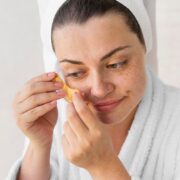

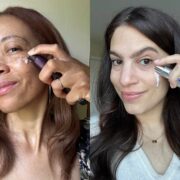


Acne-prone skin requires special care, especially when selecting skincare products. Using the wrong face mask can clog pores, trigger breakouts, or irritate sensitive skin. The best face masks for acne-prone skin are formulated to control excess oil, unclog pores, reduce inflammation, and calm redness without over-drying the skin.
In this guide, we will explore the most effective types of face masks, key ingredients to look for, ingredients to avoid, and tips for achieving clearer skin safely.
Why Face Masks Matter for Acne-Prone Skin
Face masks provide a concentrated treatment that works deeper than daily cleansers. When used correctly, they can:
- Absorb excess oil
- Remove impurities
- Reduce inflammation
- Minimize pore appearance
- Improve overall skin texture
However, consistency and proper ingredient selection are essential for visible results.
Top Ingredients to Look for in Face Masks
When choosing a face mask for acne-prone skin, check the label for these powerful ingredients:
1. Salicylic Acid
Salicylic acid penetrates deep into pores and dissolves excess oil and dead skin cells. It is highly effective for blackheads and whiteheads.
2. Clay (Kaolin or Bentonite)
Clay masks help absorb excess sebum and draw out impurities. They are ideal for oily and combination skin types.
3. Charcoal
Activated charcoal detoxifies the skin by removing dirt, oil, and toxins from pores.
4. Tea Tree Oil
Known for its antibacterial properties, tea tree oil helps reduce acne-causing bacteria.
5. Niacinamide
Niacinamide reduces redness, inflammation, and oil production while improving the skin barrier.
6. Sulfur
Sulfur helps dry out active breakouts and prevents future acne formation.
Best Types of Face Masks for Acne-Prone Skin
Here are the most effective mask categories:
1. Clay Masks
Clay masks are among the best face masks for acne-prone skin because they absorb oil and purify pores.
Best for: Oily and combination skin
Use: 1–2 times per week
2. Charcoal Masks
Charcoal masks work similarly to clay but offer deeper detoxification benefits.
Best for: Clogged pores and blackheads
Use: Once weekly
3. Gel Masks
Gel masks are soothing and hydrating. They help calm irritated acne-prone skin without clogging pores.
Best for: Sensitive and inflamed skin
Use: 2–3 times per week
4. Exfoliating Enzyme Masks
These masks gently remove dead skin cells without harsh scrubbing, preventing pore blockage.
Best for: Dull skin with acne
Use: Once weekly
5. Sulfur-Based Masks
Sulfur masks target active breakouts and help dry them out quickly.
Best for: Severe acne flare-ups
Use: As needed
Ingredients to Avoid
If you have acne-prone skin, avoid these common irritants:
- Alcohol (drying types)
- Artificial fragrances
- Heavy oils (like coconut oil)
- Harsh physical exfoliants
- Parabens (for sensitive skin)
Choosing non-comedogenic products is crucial to prevent clogged pores.
How to Use Face Masks Correctly
Even the best face masks for acne-prone skin won’t work if used improperly.
Step-by-Step Application:
- Cleanse your face thoroughly
- Apply mask evenly (avoid eye and lip area)
- Leave on for recommended time
- Rinse with lukewarm water
- Apply lightweight moisturizer
Overusing masks can strip the skin’s natural oils and worsen acne. Stick to recommended frequency.
Weekly Masking Routine Example
Here’s a simple weekly plan:
| Day | Mask Type | Purpose |
|---|---|---|
| Monday | Clay Mask | Oil control and pore cleansing |
| Wednesday | Gel Mask | Soothing and hydration |
| Friday | Charcoal Mask | Deep detox and blackhead care |
| Sunday | Enzyme Mask | Gentle exfoliation |
Adjust based on your skin’s needs.
Can You Combine Face Masks with Other Treatments?
Yes, but avoid layering too many active ingredients at once. For example:
- Don’t combine salicylic acid mask with retinol on the same day
- Avoid strong exfoliants after sulfur treatments
- Always moisturize after masking
If you’re following an Anti-Aging Skincare Routine for Early 30s, balance acne treatments with hydrating and barrier-repair products to prevent premature dryness and irritation.
Natural Face Masks for Acne-Prone Skin
If you prefer natural remedies, consider:
- Honey and turmeric mask (antibacterial properties)
- Aloe vera gel mask (soothing and calming)
- Oatmeal mask (reduces inflammation)
However, always patch-test homemade remedies before applying them to your entire face.
Tips for Managing Acne-Prone Skin
- Avoid touching your face frequently
- Change pillowcases regularly
- Remove makeup before sleeping
- Drink enough water
- Maintain a balanced diet
Consistency is key. Clear skin doesn’t happen overnight.
How Often Should You Use Face Masks?
For acne-prone skin:
- Clay/charcoal masks: 1–2 times weekly
- Gel masks: 2–3 times weekly
- Exfoliating masks: Once weekly
- Sulfur masks: Spot treatment only
Overuse can lead to irritation and increased oil production.
Final Thoughts
Finding the best face masks for acne-prone skin involves understanding your skin type, choosing the right ingredients, and maintaining a consistent routine. Focus on oil control, gentle exfoliation, and soothing treatments rather than harsh products that strip your skin.