
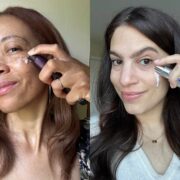





As women reach their 50s, the skin undergoes natural changes such as reduced collagen production, loss of elasticity, fine lines, and dryness. Using a high-quality anti-aging serum for 50-year-old women can help address these concerns by hydrating, firming, and rejuvenating the skin. Serums are concentrated treatments that deliver potent ingredients directly to the deeper layers of the skin, making them essential in a mature skincare routine.
This guide explains the best ingredients, how to use serums effectively, and tips for maximizing results.
Why Anti-Aging Serums Are Essential After 50
- High Concentration of Active Ingredients: Serums contain vitamins, antioxidants, and peptides in concentrated form.
- Deep Penetration: Lighter than creams, serums reach deeper skin layers to repair and rejuvenate.
- Hydration & Plumping: Many serums contain hyaluronic acid to improve moisture and reduce wrinkles.
- Targeted Treatment: Serums allow for precise care against age spots, fine lines, and sagging skin.
Key Ingredients to Look for in an Anti-Aging Serum
| Ingredient | Benefits for 50-Year-Old Skin | How It Works |
|---|---|---|
| Retinol (Vitamin A) | Reduces fine lines, improves skin texture | Promotes collagen production and cell turnover |
| Hyaluronic Acid | Deep hydration and plumping | Holds moisture in the skin for a fuller appearance |
| Peptides | Firms skin and improves elasticity | Stimulates collagen and strengthens skin structure |
| Vitamin C | Brightens skin and reduces age spots | Antioxidant that protects against free radical damage |
| Niacinamide (Vitamin B3) | Reduces redness, improves texture | Strengthens skin barrier and minimizes pores |
| Ceramides | Restores skin barrier and prevents dryness | Locks in moisture and protects against irritants |
| Coenzyme Q10 | Fights oxidative stress | Protects skin cells from environmental damage |
| Plant Extracts (Green Tea, Chamomile, Aloe Vera) | Soothes irritation and provides antioxidants | Reduces inflammation and oxidative damage |
How to Use an Anti-Aging Serum Effectively
- Cleanse Your Skin: Start with a gentle cleanser to remove dirt and makeup.
- Apply Toner (Optional): Helps balance pH and preps skin for better absorption.
- Use Serum: Apply 2–3 drops and gently pat onto face, neck, and décolletage.
- Moisturize: Follow with a hydrating cream to lock in serum benefits.
- Sunscreen in the Morning: Protects skin from UV damage, which accelerates aging.
- Consistency Is Key: Use morning and/or evening as directed for best results.
Tips for Maximizing Anti-Aging Serum Benefits
- Start Slowly with Retinol: Use 2–3 times a week initially to reduce irritation, then increase frequency.
- Layer Wisely: Apply lightweight serums first, followed by heavier creams or oils.
- Avoid Harsh Ingredients Together: Avoid combining strong acids or exfoliants with retinol in the same routine.
- Hydration Matters: Drink plenty of water and use a moisturizer to complement serum benefits.
- Pat, Don’t Rub: Gentle patting ensures better absorption and reduces skin stretching.
Common Mistakes to Avoid
- Overusing serums, which can irritate mature skin.
- Ignoring sunscreen, which diminishes anti-aging results.
- Switching products too frequently instead of giving time for results.
- Applying serum on dry or unclean skin, which reduces absorption.
- Using products with harsh alcohols or synthetic fragrances that irritate sensitive mature skin.
FAQs: Anti-Aging Serum for 50-Year-Old Women
Q: Can I use retinol if I have sensitive skin?
A: Yes, but start with a low-strength formula and use 2–3 times per week, gradually increasing frequency.
Q: How long before I see results from an anti-aging serum?
A: Visible improvements in hydration and texture can appear in 4–6 weeks; significant reduction in fine lines may take 3–6 months.
Q: Should I use different serums for day and night?
A: Yes. Vitamin C serums are ideal for daytime protection, while retinol or peptides work best at night.
Q: Can serum replace moisturizer?
A: No. Serums are concentrated treatments, but a moisturizer is needed to lock in hydration.
Q: Is it safe to combine multiple active ingredients?
A: Yes, but follow layering guidelines. For example, use vitamin C in the morning and retinol at night to avoid irritation.
Conclusion
An anti-aging serum for 50-year-old women is a vital step in maintaining youthful, healthy, and radiant skin. By selecting serums with potent ingredients like retinol, hyaluronic acid, peptides, and antioxidants, and using them consistently within a gentle skincare routine, women can reduce wrinkles, improve firmness, and restore glow.
Remember, natural support through hydration, balanced diet, sun protection, and stress management complements serum benefits, allowing your skin to look and feel vibrant at any age.