

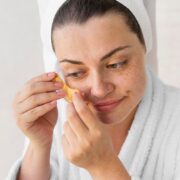
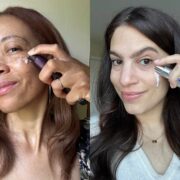
As skin matures, it naturally loses elasticity, moisture, and firmness, making fine lines, wrinkles, and dullness more noticeable. Anti-aging face masks for mature skin are designed to provide targeted hydration, nourishment, and revitalization, helping restore a youthful, radiant appearance. When used consistently, these masks can complement a full skincare routine and offer a visible difference in texture and tone.
This guide explores the benefits of anti-aging masks, key ingredients to look for, and tips for incorporating them into your skincare regimen.
Why Anti-Aging Face Masks Are Important for Mature Skin
Mature skin requires additional care due to natural changes that occur with age:
- Reduced Collagen and Elastin: Leads to sagging and fine lines
- Loss of Moisture: Skin becomes drier, making wrinkles more pronounced
- Dull Skin Tone: Cellular turnover slows down, affecting radiance
- Environmental Damage: Sun exposure, pollution, and lifestyle factors contribute to aging
Anti-aging face masks help counteract these changes by delivering concentrated nutrients and hydration directly to the skin, boosting firmness, radiance, and resilience.
Key Ingredients to Look for in Anti-Aging Face Masks
1. Hyaluronic Acid
- Hydrates deeply and plumps the skin
- Reduces the appearance of fine lines and wrinkles
2. Peptides
- Stimulate collagen production
- Support skin elasticity and firmness
3. Antioxidants (Vitamin C, E, Green Tea)
- Protect skin from environmental damage
- Brighten dull skin and promote even skin tone
4. Retinol / Retinoids
- Encourage cellular turnover
- Smooth fine lines and improve texture
5. Niacinamide
- Improves skin barrier function
- Reduces discoloration and strengthens skin
6. Plant Extracts and Oils
- Provide nourishment and calming effects
- Examples: rosehip oil, chamomile, aloe vera
Types of Anti-Aging Face Masks
1. Sheet Masks
- Pre-soaked in serums
- Easy to apply and remove
- Ideal for hydration and antioxidant infusion
2. Clay Masks
- Draw out impurities
- Often combined with moisturizing or peptide ingredients for mature skin
3. Gel Masks
- Lightweight and cooling
- Provide intense hydration without heaviness
4. Cream Masks
- Rich texture for deep nourishment
- Suitable for dry, mature skin types
Benefits of Anti-Aging Face Masks for Mature Skin
- Deep Hydration: Restores moisture levels lost over time
- Improved Firmness: Ingredients like peptides and retinol enhance elasticity
- Smoother Texture: Reduces the look of fine lines and rough patches
- Radiance Boost: Antioxidants and brightening agents improve skin tone
- Relaxation: Taking time for a mask can reduce stress and promote overall skin wellness
Interestingly, just like Scalp Massagers for Hair Growth stimulate and rejuvenate hair follicles, anti-aging masks rejuvenate skin cells, enhancing vitality and appearance. Both provide targeted care for visible results when used consistently.
Anti-Aging Face Masks Comparison Table
| Mask Type | Key Benefit | Best For | Frequency |
|---|---|---|---|
| Sheet Mask | Hydration & brightening | Dry or dull skin | 2–3 times/week |
| Clay Mask | Detox & firming | Combination to oily skin | 1–2 times/week |
| Gel Mask | Cooling hydration | Sensitive or dry skin | 2–3 times/week |
| Cream Mask | Deep nourishment | Mature, dry skin | 2–3 times/week |
How to Incorporate Masks Into Your Skincare Routine
- Cleanse First: Remove makeup and impurities for better absorption
- Apply Toner (Optional): Preps the skin for hydration and treatment
- Use Mask: Follow instructions for duration and frequency
- Massage In Residue: Gently pat remaining serum into skin for maximum benefit
- Moisturize: Lock in hydration after mask use
- Sun Protection: Use SPF during the day to protect rejuvenated skin
Tips for Maximizing Results
- Consistency Is Key: Regular use is more effective than occasional application
- Patch Test New Products: Prevent irritation by testing before first full use
- Combine with Targeted Serums: Masks work best alongside serums containing complementary ingredients
- Hydrate Internally: Drinking water supports skin health from within
- Adjust Frequency: Match mask type with skin’s needs to avoid over-drying or irritation
FAQs: Anti-Aging Face Masks for Mature Skin
Q: Can I use anti-aging masks daily?
A: It depends on the type. Lightweight sheet or gel masks can be used more frequently, while clay or retinol masks are best 1–2 times a week.
Q: How soon will I see results?
A: Immediate hydration and brightness can be visible after one use, but long-term firmness and wrinkle reduction usually take 4–6 weeks of consistent use.
Q: Are these masks suitable for sensitive skin?
A: Look for fragrance-free, soothing ingredients like aloe vera, hyaluronic acid, and chamomile. Patch test first.
Q: Can I combine masks with other treatments?
A: Yes, but avoid over-exfoliation or harsh actives on the same day to prevent irritation.
Q: Do masks replace moisturizer?
A: Masks complement moisturizers but do not replace them; always follow up with a hydrating cream or serum.
Final Thoughts
Anti-aging face masks for mature skin are a convenient and effective way to restore hydration, elasticity, and radiance. By selecting masks with proven ingredients like hyaluronic acid, peptides, and antioxidants, mature skin can look and feel rejuvenated.
Pairing mask use with a consistent skincare routine, lifestyle habits, and supplemental tools—just like using Scalp Massagers for Hair Growth for hair health—enhances results, making skin care a holistic approach rather than just a cosmetic treatment. With the right choices, anti-aging face masks can help mature skin glow with vitality and confidence.