
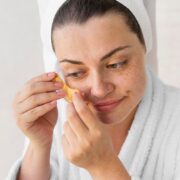
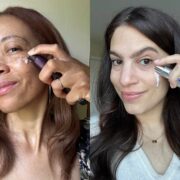



Acne-prone skin can be frustrating, but maintaining a consistent and budget-friendly skincare routine can make a huge difference. You don’t need expensive products to keep breakouts under control; simple, effective ingredients can help cleanse, treat, and protect your skin. With the right routine, you can reduce blemishes, prevent future breakouts, and maintain a clear, healthy complexion.
This article outlines an affordable skincare routine for acne-prone skin, including key steps, product types, and tips to maximize results without breaking the bank.
Why Acne-Prone Skin Needs a Targeted Routine
Acne occurs when excess oil, dead skin cells, and bacteria clog pores. Acne-prone skin often reacts poorly to harsh products, so a careful balance of cleansing, treatment, and hydration is essential.
Common issues include:
- Blackheads and whiteheads
- Inflammatory pimples and pustules
- Redness and irritation
- Scarring or hyperpigmentation
A consistent and affordable skincare routine helps manage these concerns while keeping your skin barrier healthy.
Step 1: Gentle Cleansing
Cleansing is the most important step for acne-prone skin. It removes dirt, oil, and makeup without irritating the skin.
Tips for cleansing:
- Use a gentle, non-comedogenic foaming or gel cleanser
- Wash twice daily—morning and night
- Avoid harsh scrubs that can worsen inflammation
- Use lukewarm water, not hot water
Look for ingredients like salicylic acid or tea tree oil to help control acne naturally.
Step 2: Toner for Balance
Toners help restore the skin’s pH and remove any leftover impurities after cleansing. For acne-prone skin, choose a toner that:
- Controls excess oil
- Contains soothing ingredients like witch hazel or niacinamide
- Helps prevent clogged pores
A good toner preps the skin for treatment and moisturizer without causing dryness.
Step 3: Targeted Treatment
Treatments target active breakouts and prevent future ones. Effective yet affordable options include:
- Benzoyl peroxide: Reduces bacteria and inflammation
- Salicylic acid: Clears clogged pores
- Niacinamide: Reduces redness and supports skin barrier
- Sulfur masks: Optional weekly treatment for stubborn acne
Apply treatment only to affected areas to avoid over-drying your skin.
Step 4: Lightweight Moisturizer
Moisturizing is crucial, even for acne-prone skin. Skipping moisturizer can lead to excess oil production and worsen breakouts.
Tips for choosing a moisturizer:
- Use non-comedogenic, oil-free formulas
- Lightweight gels or lotions are ideal
- Look for soothing ingredients like aloe vera or hyaluronic acid
This step maintains hydration while preventing irritation from acne treatments.
Step 5: Sunscreen Protection
Sun exposure can worsen acne scars and hyperpigmentation. Use a broad-spectrum SPF 30+ sunscreen daily.
- Choose a lightweight, non-comedogenic sunscreen
- Gel or fluid formulas prevent clogged pores
- Apply even on cloudy days
Sunscreen helps prevent post-acne marks and protects the skin barrier.
Optional Weekly Steps
- Exfoliation: Use a gentle chemical exfoliant like glycolic or lactic acid 1–2 times per week
- Clay masks: Absorb excess oil and reduce inflammation once a week
Avoid physical scrubs, which can irritate acne-prone skin.
Affordable Product Suggestions
| Step | Ingredients to Look For | Budget-Friendly Options |
|---|---|---|
| Cleanser | Salicylic acid, tea tree | Cetaphil Daily Facial Cleanser, CeraVe Foaming Cleanser |
| Toner | Witch hazel, niacinamide | Thayers Witch Hazel, The Ordinary Niacinamide |
| Treatment | Benzoyl peroxide, salicylic acid | Clean & Clear Persa-Gel 10, The Ordinary Salicylic Acid 2% |
| Moisturizer | Hyaluronic acid, non-comedogenic | Neutrogena Hydro Boost Gel, CeraVe PM Lotion |
| Sunscreen | Oil-free, SPF 30+ | La Roche-Posay Anthelios, Neutrogena Ultra Sheer |
Comparison Table: Acne-Prone Skin vs Dry Skin Winter Routine
| Step | Acne-Prone Skin Routine | Best Skincare Routine for Dry Skin in Winter |
|---|---|---|
| Cleanser | Gentle foaming/gel | Cream or oil-based |
| Toner | Oil-control & soothing | Hydrating & moisturizing |
| Treatment | Spot treatments (Benzoyl, Salicylic) | Not required, focus on moisture |
| Moisturizer | Lightweight, non-comedogenic | Rich cream or ointment |
| Sunscreen | Lightweight SPF 30+ | Hydrating SPF 30+ |
Tips for Success on a Budget
- Stick to a consistent routine; results take time
- Avoid layering too many products, which can irritate skin
- Patch test new treatments before applying to the entire face
- Drink plenty of water and maintain a healthy diet
- Limit touching your face to prevent breakouts
Consistency and patience are key for effective acne management.
FAQs
Q: Can I use moisturizer if I have oily, acne-prone skin?
Yes. Lightweight, non-comedogenic moisturizers prevent overproduction of oil and irritation.
Q: How long until I see results?
Most acne treatments show improvement within 4–6 weeks of consistent use.
Q: Can I use acne treatments and sunscreen together?
Yes. Apply treatment first, allow it to absorb, then apply sunscreen.
Q: Are natural remedies effective for acne?
Some ingredients like tea tree oil or aloe vera can help, but consistent medical-grade products are usually more effective.
Q: Can I combine acne treatments?
Use caution. Combining multiple active ingredients can over-dry or irritate the skin.
Final Thoughts
An affordable skincare routine for acne-prone skin focuses on gentle cleansing, targeted treatments, proper hydration, and sun protection. By using effective, budget-friendly products consistently, you can manage breakouts, improve skin texture, and maintain a healthy, clear complexion—all without overspending.