
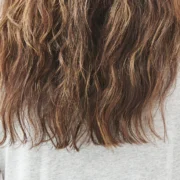




Frequent use of heat styling tools like straighteners, curling irons, and blow dryers can leave hair dry, brittle, and prone to breakage. Heat damages the hair cuticle, strips natural oils, and weakens strands over time. However, with consistent care and targeted treatments, it’s possible to restore shine, strength, and softness to damaged hair.
This guide explains how to repair hair damaged by heat styling and prevent further damage, helping you regain healthy, manageable locks.
1. Reduce Heat Styling Frequency
The most effective way to repair heat-damaged hair is to minimize additional stress:
- Limit straightening, curling, or blow-drying to a few times per week.
- Air-dry hair whenever possible to allow natural moisture to remain intact.
- Opt for heat-free styling methods such as braiding, twisting, or roller sets.
Reducing heat exposure gives your hair time to recover naturally.
2. Use Heat Protectant Products
If you must use heat styling tools, a protective product is essential:
- Apply a heat protectant spray or serum before styling.
- Look for products containing silicones, keratin, or natural oils that shield strands from high temperatures.
- Reapply if you’re using multiple styling sessions in one day.
Heat protectants prevent further damage while maintaining hair moisture and shine.
3. Deep Conditioning Treatments
Deep conditioning replenishes lost moisture and repairs damaged hair:
- Use a protein-rich mask or deep conditioner once or twice a week.
- Focus on the mid-lengths and ends, which are most prone to heat damage.
- Leave the mask on for 15–30 minutes for maximum absorption.
Regular deep conditioning strengthens hair and reduces breakage caused by heat styling.
4. Trim Damaged Ends
Split ends make hair look frizzy and unhealthy:
- Schedule regular trims every 6–8 weeks to remove damaged tips.
- Even a small trim improves the appearance of hair and prevents further splitting.
Trimming does not repair hair but promotes healthier growth and reduces breakage.
5. Use Gentle Hair Care Products
Choosing the right shampoo and conditioner is crucial:
- Opt for sulfate-free shampoos that cleanse without stripping natural oils.
- Use conditioners with nourishing ingredients like argan oil, shea butter, or keratin.
- Avoid over-washing; 2–3 times per week is usually sufficient for most hair types.
Gentle products protect hair from further damage while supporting repair.
6. Incorporate Protein Treatments
Protein strengthens weakened hair and rebuilds structure:
- Use protein-rich masks or leave-in treatments 1–2 times per week.
- Ingredients like keratin, collagen, or hydrolyzed proteins help restore elasticity.
- Balance protein with hydration to prevent stiffness or brittleness.
Protein treatments are especially effective for heat-damaged or chemically treated hair.
7. Hydrate with Oils and Serums
Hair oils and serums restore moisture, reduce frizz, and protect strands:
- Apply argan oil, coconut oil, or jojoba oil to damp hair after washing.
- Use lightweight serums to smooth ends and improve shine.
- Avoid heavy oils on roots if your scalp tends to be oily.
Moisture-rich oils keep hair soft, manageable, and resilient.
8. Avoid Chemical Treatments Temporarily
Perms, coloring, and chemical straightening can worsen heat damage:
- Give your hair a break from chemical processes while focusing on repair.
- If coloring is necessary, choose ammonia-free or gentle dyes.
- Combine chemical treatments with deep conditioning to reduce stress.
Limiting chemical stress allows natural repair mechanisms to work more effectively.
9. Protective Hairstyles
Reducing mechanical stress helps damaged hair recover:
- Use loose braids, buns, or ponytails to minimize breakage.
- Avoid tight hairstyles that pull on hair and stress weakened strands.
- Sleep on a silk or satin pillowcase to reduce friction overnight.
Protective styling preserves hair integrity while promoting healthy growth.
10. Maintain a Healthy Lifestyle
Your overall health affects hair strength and repair:
- Eat a balanced diet rich in protein, vitamins A, C, D, and E, and omega-3 fatty acids.
- Stay hydrated to maintain hair moisture from within.
- Manage stress and get adequate sleep, which support hair regeneration.
Strong, nourished hair grows healthier and resists damage more effectively.
FAQs
1. How long does it take to repair heat-damaged hair?
Visible improvements can take several weeks to a few months, depending on damage severity and consistency of care.
2. Can damaged hair fully recover?
Hair can improve in texture, shine, and strength, but the ends that are already split cannot fully regenerate. Regular trims prevent further splitting.
3. Are natural remedies effective for heat damage?
Yes. Oils, protein masks, and hydrating treatments can repair and strengthen hair naturally, though results require consistency.
4. Should I stop using heat tools completely?
Reducing frequency is enough for most people, but avoid extreme temperatures and always use heat protectants.
5. How do I prevent future heat damage?
Use protective products, lower heat settings, avoid daily styling, and maintain a nourishing hair care routine.
Conclusion
Repairing hair damaged by heat styling requires a combination of hydration, protein, gentle care, and lifestyle support. Limiting heat exposure, using heat protectants, deep conditioning, and trimming damaged ends can restore strength, shine, and manageability.