



Bleaching hair can transform your look, but it often comes at a cost: dryness, breakage, split ends, and overall weakened hair. Over-processing strips hair of natural oils and protein, leaving it fragile and prone to damage. The good news is that with proper care, you can restore health, shine, and strength to your hair.
This guide will walk you through how to fix damaged hair from bleaching, from immediate treatments to long-term care, so your locks can recover beautifully.
Understanding Bleach Damage
Bleach works by breaking down the natural pigment in hair strands. While it achieves lighter shades, it also:
- Removes moisture and natural oils
- Weakens the hair cuticle
- Causes breakage and split ends
- Makes hair more porous and frizzy
Knowing the extent of damage helps in choosing the right recovery strategy.
1. Deep Conditioning Treatments
Deep conditioning is essential for replenishing moisture and repairing hair fibers.
- Use a protein-rich hair mask once or twice a week.
- Look for ingredients like keratin, amino acids, and shea butter.
- Leave the mask on for 20–30 minutes under a warm towel to allow better absorption.
Tip: Avoid silicone-heavy masks initially, as they can weigh down already fragile hair.
2. Protein Treatments
Protein treatments help rebuild the hair shaft, improving strength and elasticity.
- Choose at-home protein treatments or professional salon options.
- Use cautiously: too much protein can make hair stiff and brittle.
- Alternate with moisturizing treatments to balance protein and hydration.
3. Avoid Heat Styling
Heat can worsen bleach damage. Minimize the use of:
- Flat irons
- Curling wands
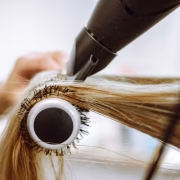
- Hairdryers
If heat is unavoidable, always use a heat protectant spray and keep temperatures low.
4. Gentle Hair Care Routine
- Use a sulfate-free shampoo to prevent further dryness.
- Avoid washing hair daily; 2–3 times a week is sufficient for bleached hair.
- Pat hair dry with a microfiber towel instead of rubbing vigorously.
- Detangle gently using a wide-tooth comb, starting from ends to roots.
5. Trim Split Ends Regularly
Trimming damaged ends prevents breakage from traveling up the hair shaft. Even removing 1–2 inches can make hair appear healthier and prevent further splitting.
6. Use Leave-In Conditioners and Oils
- Leave-in conditioners provide continuous moisture throughout the day.
- Natural oils like argan, coconut, and jojoba oil help seal moisture and add shine.
- Apply oils mainly to mid-lengths and ends to avoid weighing down roots.
7. Avoid Over-Bleaching or Coloring
Giving your hair time to recover before further chemical treatments is essential. Overlapping bleach applications can worsen damage and slow down recovery.
8. Protect Hair from Environmental Stress
- Wear a hat or use UV-protectant sprays outdoors.
- Avoid swimming in chlorinated water or use a protective leave-in conditioner before swimming.
Hair Recovery Plan Table
| Step | Purpose | Frequency |
|---|---|---|
| Deep Conditioning | Replenish moisture | 1–2x per week |
| Protein Treatment | Strengthen hair shaft | 2–4 weeks (alternate with moisturizing masks) |
| Heat Avoidance | Prevent further damage | Daily |
| Gentle Shampooing | Avoid stripping oils | 2–3x per week |
| Trimming | Remove split ends | Every 6–8 weeks |
| Leave-In & Oils | Maintain hydration & shine | Daily |
| UV & Chlorine Protection | Reduce environmental stress | As needed |
Frequently Asked Questions (FAQs)
Q: How long does it take to repair bleach-damaged hair?
Recovery depends on damage severity. Mild damage may improve in 4–6 weeks with consistent care, while severe damage may take several months.
Q: Can hair fully recover from bleaching?
Hair can regain strength and shine with proper care, but severely damaged hair may require trimming to remove affected portions.
Q: Are protein treatments necessary?
Yes, they help rebuild the hair structure, but balance them with moisturizing treatments to avoid brittleness.
Q: Can natural remedies help?
Yes, natural oils like coconut, argan, and avocado can help restore moisture and shine.
Q: Should I color my hair after damage?
Avoid coloring until hair is strong and healthy. Focus on repair first to prevent further breakage.
Additional Tips
- Use a silk pillowcase to reduce friction and breakage while sleeping.
- Limit hairstyles that pull tightly on the hair.
- Focus on nutrition: protein-rich foods, vitamins, and hydration support hair recovery from within.
For brides or special occasions, keeping hair healthy is essential, as styling is easier on strong, hydrated hair. If you’re planning a wedding look, following Bridal Makeup Tips for Oily Skin and combining it with hair repair strategies ensures a polished, long-lasting appearance from head to toe.
Final Thoughts
Repairing bleach-damaged hair requires patience, consistency, and the right products. By combining deep conditioning, protein treatments, gentle care, and protective strategies, you can restore softness, shine, and strength to your hair.