




Split ends are one of the most common hair concerns, affecting all hair types regardless of length or texture. They occur when the protective outer layer of the hair shaft becomes damaged, causing the hair to fray and split. While trimming is the only way to fully remove split ends, the good news is that you can prevent them at home with the right care and habits.
This guide covers practical, easy-to-follow tips to help you prevent split ends and keep your hair smooth, strong, and healthy.
What Causes Split Ends?
Understanding the causes is the first step toward prevention. Split ends are usually caused by:
- Excessive heat styling
- Chemical treatments and coloring
- Overwashing or harsh shampoos
- Lack of moisture
- Rough handling of wet hair
- Environmental stress like sun and pollution
Addressing these issues at home can significantly reduce hair damage.
Moisturize Your Hair Regularly
Dry hair is more prone to splitting.
Use a moisturizing shampoo and conditioner suited to your hair type. Focus conditioner on the mid-lengths and ends, where hair is oldest and weakest. Deep conditioning treatments or hair masks once a week help restore moisture and improve elasticity.
Natural oils such as coconut, argan, or olive oil can also be applied to the ends to lock in hydration.
Reduce Heat Styling
Heat weakens hair structure over time.
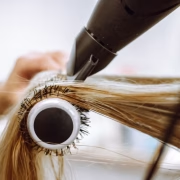
Limit the use of flat irons, curling wands, and blow dryers. When heat styling is necessary, always apply a heat protectant and use the lowest effective temperature. Air-drying whenever possible helps maintain hair strength and prevents moisture loss.
Handle Wet Hair Gently
Hair is most fragile when wet.
Avoid brushing wet hair with fine-tooth combs. Instead, use a wide-tooth comb and detangle gently, starting from the ends and working your way up. Pat hair dry with a soft towel instead of rubbing aggressively.
Microfiber towels or cotton T-shirts are excellent alternatives to traditional towels.
Trim Hair Regularly
Even when aiming to grow hair longer, regular trims are essential.
Trimming every 6–8 weeks removes weak ends before they split further up the hair shaft. This simple habit helps maintain healthier, thicker-looking hair over time.
Avoid Overwashing
Washing hair too frequently strips natural oils that protect the hair shaft.
Try to wash your hair two to three times per week, depending on your hair type. On non-wash days, dry shampoo can help refresh your hair without drying it out.
Protect Hair While Sleeping
Nighttime friction can lead to split ends.
Sleep on a silk or satin pillowcase to reduce friction. You can also loosely braid your hair or tie it with a soft scrunchie to prevent tangling while you sleep.
Be Mindful of Hairstyles
Tight hairstyles put stress on hair ends.
Avoid frequently wearing tight ponytails, buns, or braids. Use fabric-covered hair ties instead of rubber bands, and change your hairstyle regularly to prevent repeated stress on the same areas.
Use Leave-In Products and Serums
Leave-in conditioners and hair serums help protect hair throughout the day.
Apply them especially to the ends to smooth the cuticle and reduce friction. Lightweight formulas prevent split ends without weighing hair down.
Protect Hair from Environmental Damage
Sun exposure, wind, and pollution can weaken hair.
Cover your hair when outdoors for extended periods, and use products that offer UV protection. Rinsing hair after swimming helps remove salt and chlorine that contribute to dryness.
Maintain a Healthy Diet and Hydration
Hair health starts from within.
Drink plenty of water and eat a balanced diet rich in protein, vitamins, and healthy fats. Nutrients like biotin, iron, and omega-3 fatty acids support strong hair growth and reduce breakage.
Consistency Is Key
Preventing split ends requires regular care rather than quick fixes.
By adopting gentle habits and nourishing your hair daily, you can maintain smooth ends and healthier strands. These practices work especially well when combined with a structured approach similar to a Hair Care Routine for Color-Treated Hair, where prevention and protection are prioritized.
Final Thoughts
While split ends are a natural part of hair wear and tear, they are largely preventable at home. Reducing heat, maintaining moisture, trimming regularly, and handling hair gently can make a noticeable difference.