


Teenage skin is often prone to acne due to hormonal changes, excess oil production, and lifestyle factors. Acne can range from occasional pimples to persistent breakouts, affecting confidence and overall skin health. The good news is that with proper care, home remedies for acne, and consistent habits, teenage acne can be managed effectively.
This article provides practical anti-acne tips specifically designed for teenagers, combining natural remedies, skincare routines, and lifestyle changes to help maintain clear and healthy skin.
Understand the Causes of Teenage Acne
Teenage acne is primarily driven by hormonal fluctuations during puberty. Androgens increase oil (sebum) production, which can clog pores and lead to breakouts. Other contributing factors include:
- Poor skincare habits
- Diet high in sugar and processed foods
- Stress and lack of sleep
- Bacterial overgrowth on the skin
- Excessive touching or picking of the skin
Understanding the root causes is the first step toward effective acne management.
Maintain a Consistent Skincare Routine
Consistency is key in controlling acne. Teenagers should follow a simple, gentle skincare routine that cleanses, treats, and protects the skin.
1. Cleanse Twice Daily
Use a mild, non-comedogenic cleanser in the morning and evening. Avoid harsh scrubbing, which can irritate the skin and worsen breakouts.
2. Exfoliate Gently
Exfoliation helps remove dead skin cells that can clog pores. Use a gentle exfoliant 1–2 times per week. Over-exfoliating can damage the skin barrier and increase acne.
3. Moisturize
Even oily skin needs hydration. Choose an oil-free, non-comedogenic moisturizer to maintain skin balance without adding extra grease.
4. Spot Treatments
For active pimples, use targeted treatments with ingredients like salicylic acid or benzoyl peroxide to reduce inflammation and bacteria.
Use Natural Remedies to Calm Skin
Natural remedies can complement your skincare routine and reduce acne without harsh chemicals. Popular options include:
- Aloe Vera Gel: Soothes inflammation and promotes healing.
- Honey and Cinnamon Mask: Antibacterial properties help fight acne-causing bacteria.
- Green Tea Extract: Rich in antioxidants that reduce redness and irritation.
Natural treatments can also help improve overall skin texture and prevent scarring when used consistently.
Healthy Lifestyle Habits
Lifestyle factors play a significant role in acne prevention and overall skin health. Teenagers should focus on:
- Balanced Diet: Include fruits, vegetables, and whole grains. Limit sugar and processed foods that can trigger breakouts.
- Hydration: Drink plenty of water to keep skin hydrated and flush out toxins.
- Sleep: Aim for 7–9 hours of sleep per night to regulate hormones and support skin regeneration.
- Stress Management: Practice relaxation techniques like yoga, deep breathing, or exercise to control stress-induced breakouts.
Incorporating these habits enhances the effectiveness of your skincare routine.
Avoid Common Acne Mistakes
Preventing acne also involves avoiding behaviors that worsen the condition:
- Don’t Touch or Pick Pimples: This spreads bacteria and can cause scarring.
- Avoid Heavy Makeup: Choose non-comedogenic makeup and remove it completely before bed.
- Skip Frequent Over-Washing: Excessive washing strips natural oils and irritates the skin.
Being mindful of these habits is crucial for long-term skin health.
Sun Protection for Acne-Prone Skin
Sun exposure can worsen acne scars and hyperpigmentation. Use an oil-free sunscreen with at least SPF 30. Protecting the skin from harmful UV rays helps prevent long-term damage and keeps acne marks from darkening.
Incorporate Natural Glow Practices
In addition to controlling acne, it’s important to keep the skin bright and healthy. For teenagers, learning How to Get Rid of Dull Skin Naturally can complement anti-acne routines by improving circulation, hydration, and skin renewal. Practices like gentle exfoliation, natural face masks, and proper hydration can restore radiance while preventing breakouts.
When to Consult a Dermatologist
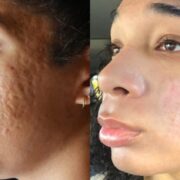
If acne is severe, persistent, or leaving scars, professional guidance is recommended. Dermatologists can provide treatments such as topical retinoids, antibiotics, or hormonal therapy tailored to teenage skin.
Conclusion
Managing teenage acne requires a combination of proper skincare, natural remedies, lifestyle adjustments, and patience. By cleansing gently, moisturizing appropriately, using spot treatments, and adopting healthy habits, teenagers can significantly reduce breakouts and maintain clear skin.
Consistency and care, paired with natural approaches to brighten and nourish the skin, ensure not only acne control but also overall skin health and confidence during the teenage years.