


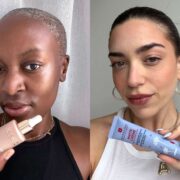


Face contouring is a makeup technique that enhances your natural facial structure by creating shadows and highlights. For beginners, contouring may seem intimidating, but with the right tools, products, and steps, it can be simple and effective. The goal of contouring is not to drastically change your face, but to subtly define and balance your features.
This guide explains contouring basics, face shapes, product choices, and step-by-step techniques to help beginners contour with confidence.
What Is Face Contouring?
Contouring uses darker and lighter makeup shades to add dimension to the face. Dark shades create the illusion of shadows, while lighter shades highlight areas you want to bring forward.
Contouring is commonly used to:
- Define cheekbones
- Slim the nose
- Shape the jawline
- Balance forehead proportions
When done correctly, contouring looks natural and enhances your overall makeup look.
Choose the Right Contour Products
Selecting beginner-friendly products makes a big difference.
Cream vs Powder Contour
- Cream contour is easier to blend and ideal for dry or normal skin
- Powder contour is better for oily skin and gives a matte finish
Choose a contour shade that is 1–2 shades darker than your natural skin tone and a highlight shade that is 1–2 shades lighter.
Tools You Need for Contouring
Using the right tools ensures smooth blending and a natural finish.
Essential tools include:
- Angled contour brush
- Blending sponge
- Fluffy brush for powder
- Small brush for nose contour
Good blending tools help avoid harsh lines, which is especially important for beginners.
Understand Your Face Shape
Contouring techniques vary based on face shape. Identifying your face shape helps you apply contour in the most flattering way.
Common face shapes:
- Round
- Oval
- Square
- Heart
- Diamond
Each shape benefits from slightly different contour placement.
Beginner-Friendly Contour Placement Guide
| Face Area | Where to Apply Contour | Purpose |
|---|---|---|
| Cheekbones | Below cheekbones | Adds definition |
| Forehead | Along hairline | Reduces width |
| Jawline | Under jaw | Sharpens shape |
| Nose | Sides of bridge | Slimming effect |
| Chin | Under chin | Creates balance |
Step-by-Step Contouring for Beginners
Step 1: Start With a Clean Base
Apply foundation and concealer evenly before contouring. A smooth base ensures seamless blending.
Step 2: Apply Contour Lightly
Use small amounts of contour product. Start under the cheekbones, then move to the forehead, jawline, and nose if desired.
Step 3: Blend Thoroughly
Blending is the most important step. Use upward motions for cheek contour and gentle tapping for cream products.
Step 4: Highlight Strategically
Apply highlighter to the tops of cheekbones, bridge of the nose, and center of the forehead to enhance dimension.
Step 5: Set With Powder
Lightly set your makeup with translucent powder to increase longevity.
Contouring Mistakes Beginners Should Avoid
Common mistakes can make contour look heavy or unnatural.
Avoid:
- Using shades that are too dark
- Applying too much product at once
- Not blending enough
- Contouring without considering face shape
A soft, blended finish always looks better than harsh lines.
Contouring for Natural Everyday Makeup
For daily wear, contouring should be subtle. Use lightweight products and minimal placement to enhance features without overpowering your makeup.
Natural contouring works best when paired with:
- Minimal foundation
- Soft blush
- Neutral eye makeup
This approach complements skincare-focused routines like Summer Skincare Tips to Prevent Sun Damage, where healthy skin remains the priority.
Skin Prep Matters Before Contouring
Well-prepped skin helps contour products blend better and last longer.
Skin prep tips:
- Moisturize properly
- Use primer if needed
- Avoid dry patches
Healthy, hydrated skin improves the final makeup result significantly.
Practice Makes Perfect
Contouring is a skill that improves with practice. Experiment with different placements and products to find what works best for your face.
Tips for practice:
- Start with powder contour
- Use natural lighting
- Blend more than you think necessary
Confidence comes with repetition and patience.
Frequently Asked Questions (FAQs)
Is contouring necessary for everyday makeup?
No, contouring is optional. It enhances features but is not required for daily makeup.
Should beginners use cream or powder contour?
Powder contour is often easier for beginners due to better control and easier correction.
Can contouring damage the skin?
No, as long as products are removed properly and skin is cared for after makeup use.
How do I fix over-contouring?
Blend with a clean brush or sponge, or apply a small amount of foundation to soften harsh lines.
Do I need to contour my nose?
Nose contouring is optional and depends on personal preference.
Final Thoughts
Contouring for beginners doesn’t have to be complicated. By understanding your face shape, choosing the right products, and focusing on blending, you can achieve a natural and flattering look. The key is subtlety—enhancing your features rather than masking them.
With consistent practice and proper skin preparation, contouring can become an easy and enjoyable part of your makeup routine, helping you feel confident and polished every day.