


Chapped lips are uncomfortable, unsightly, and can make everyday activities like smiling or drinking a hot beverage less enjoyable. Whether caused by dry weather, dehydration, or frequent lip licking, chapped lips demand effective care. Choosing the right lip balm is key to protecting, healing, and maintaining soft, healthy lips. In this guide, you’ll learn everything you need to know about selecting and using lip balms that truly work.
Before diving into recommendations, it’s worth noting that makeup routines often rely on smooth lips to enhance overall appearance—much like how Tinted Moisturizers for a No-Makeup Look elevate complexion with minimal effort. The right lip balm can similarly improve your natural look by keeping your lips moisturized and flake-free.
Why Do Lips Get Chapped?
Lips are more vulnerable than other skin areas because they lack oil glands. Without natural oils, lips dry out quickly, especially when exposed to:
- Cold, dry air
- Wind
- Sun exposure
- Dehydration
- Constant licking or biting
Chapped lips can range from mild dryness to painful cracks that bleed. Choosing a balm with effective ingredients helps create a protective barrier and promotes healing.
Key Ingredients to Look For
When shopping for a lip balm for chapped lips, certain ingredients are particularly beneficial:
1. Shea Butter and Cocoa Butter
These natural emollients lock in moisture and soften dry skin.
2. Beeswax or Candelilla Wax
These create a protective layer on the lips to prevent moisture loss.
3. Ceramides
Strengthen the skin barrier so lips retain hydration longer.
4. Hyaluronic Acid
Attracts and holds water molecules, improving hydration.
5. Vitamin E
An antioxidant that supports skin repair.
6. Sun Protection (SPF)
Lips can burn too. Balms with SPF help prevent sun-induced dryness.
Avoid balms with menthol, phenol, or high amounts of fragrance, as these can irritate sensitive lips and worsen dryness.
Best Types of Lip Balms for Chapped Lips
Here’s a detailed comparison of common lip balm categories to help you decide:
| Type of Lip Balm | Ideal For | Key Benefit |
|---|---|---|
| Classic Moisturizing Balm | Daily dry lip care | Deep hydration |
| SPF Balm | Sun exposure | UV protection |
| Medicated Balm | Severely chapped or cracked lips | Intensive healing |
| Tinted Balm | Light color + hydration | Adds subtle tint |
| Natural / Organic Balm | Sensitive skin | Minimal irritants |
Top Lip Balms for Chapped Lips
1. Rich Moisturizing Balms
These are ideal for everyday use and deliver long-lasting hydration. Look for formulas with shea butter, ceramides, or natural oils like coconut or jojoba.
Great for: Normal to dry lips needing consistent moisture.
2. SPF-Infused Lip Balms
If you spend time outdoors, a balm with SPF 15 or higher protects your lips from sun damage, which can worsen dryness.
Great for: Outdoor activities year-round.
3. Medicated Healing Balms
When lips are severely chapped or cracked, medicated balms containing soothing agents like lanolin can provide relief and accelerate healing.
Great for: Painful, chapped lips needing strong repair.
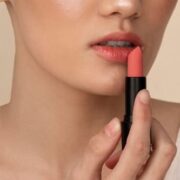
4. Tinted Lip Balms
For those who want a hint of color while treating dryness, tinted balms offer subtle pigmentation with hydrating benefits.
Great for: Everyday use when you want both care and a light tint.
How to Use Lip Balm Effectively
Applying lip balm may seem simple, but following these best practices can improve results:
- Apply Often, Especially in Dry Conditions
Reapply when lips feel dry, especially after eating or spending time outside. - Use at Night
Apply a thick layer before bed for deep overnight repair. - Avoid Picking or Licking Lips
This disrupts hydration and slows healing. - Stay Hydrated
Drink water throughout the day to support overall skin moisture levels.
Mistakes to Avoid
Even with the best lip balm, certain habits can impede healing:
- Using flavored or heavily scented formulas which can irritate lips.
- Applying too many products at once which can prevent absorption.
- Ignoring sun protection which can worsen dryness.
DIY Lip Care Tips
If you prefer homemade remedies, here are a few gentle options:
- Honey & Coconut Oil Mask: Apply a thin layer of honey mixed with coconut oil for 10 minutes, then wipe off.
- Sugar Lip Scrub: Mix sugar with a little olive oil to exfoliate dead skin once a week before moisturizing.
These treatments can enhance balm effectiveness but should be used sparingly.
FAQs
What causes chapped lips to bleed?
Extremely dry conditions, frequent licking, or cold weather can crack lips deeply enough to bleed. Using a healing balm and protecting lips from harsh elements usually resolves this.
Can lip balm make lips more chapped?
Yes—if it contains irritants like menthol or fragrance that dry out lips or trigger sensitivity.
Should I use lip balm every day?
Yes. Regular application helps maintain hydration and prevents dryness from returning.
Is SPF necessary in a lip balm?
Absolutely. Sun damage contributes to dryness and increases the risk of lip aging and discoloration.
Can I use lip balm overnight?
Yes. Nighttime application with a richer balm or overnight mask boosts moisture and healing.
Final Thoughts
Lip balms for chapped lips are essential skincare tools for achieving comfortable, healthy lips. By choosing products with nourishing ingredients, using them properly, and protecting lips from harsh environmental conditions, you can say goodbye to dryness and discomfort. Whether you prefer a simple balm, SPF protection, or a tinted formula with a hint of color, there’s a lip care option to meet your needs and keep your smile soft and smooth all year long.