

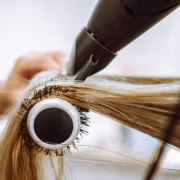

Damaged hair is a common concern caused by heat styling, coloring, environmental stress, and chemical treatments. Dryness, breakage, and split ends are all signs that your hair needs intense hydration and repair. Using the right hydrating conditioners for damaged hair can dramatically improve hair texture, strength, and manageability over time.
This guide explains how hydrating conditioners work, what ingredients to look for, and which products are best for repairing stressed hair.
What Causes Hair Damage?
Hair damage occurs when the protective outer layer of the hair shaft becomes weakened or broken. Common causes include:
- Frequent heat styling
- Hair coloring or bleaching
- Chemical treatments such as relaxing or perming
- Excessive washing or harsh shampoos
- Sun exposure and pollution
Once damaged, hair loses moisture easily, making deep hydration essential.
How Hydrating Conditioners Help Damaged Hair
Hydrating conditioners work by replenishing moisture, smoothing the hair cuticle, and reducing friction. Their key benefits include:
- Restoring lost moisture
- Improving elasticity and softness
- Reducing breakage and split ends
- Making hair easier to detangle and style
- Enhancing shine and smoothness
Just as effective cleansing products—such as Top-Rated Makeup Removers for Waterproof Makeup—remove buildup gently without stripping the skin, a good conditioner hydrates hair without weighing it down.
Key Ingredients to Look For
When choosing a hydrating conditioner for damaged hair, look for these ingredients:
- Shea butter: Deep nourishment and softness
- Argan oil: Repairs damage and adds shine
- Coconut oil: Penetrates the hair shaft for moisture
- Keratin: Strengthens weakened hair
- Aloe vera: Soothes and hydrates
- Glycerin: Helps retain moisture
Avoid conditioners with high alcohol content, which can further dry out damaged hair.
Best Hydrating Conditioners for Damaged Hair
| Conditioner | Best For | Key Ingredients | Hair Type |
|---|---|---|---|
| Olaplex No.5 Bond Maintenance Conditioner | Severely damaged hair | Bond-building complex | All hair types |
| SheaMoisture Manuka Honey Conditioner | Dry, brittle hair | Manuka honey, shea butter | Curly and coily |
| Moroccanoil Moisture Repair Conditioner | Chemically treated hair | Argan oil, keratin | Medium to thick |
| Briogeo Don’t Despair, Repair! Conditioner | Over-processed hair | Avocado oil, biotin | Fine to thick |
| L’Oréal Elvive Total Repair 5 Conditioner | Affordable repair | Ceramides, protein | Damaged hair |
| Garnier Whole Blends Honey Treasures | Split ends and breakage | Honey, propolis | Dry to damaged |
Olaplex No.5 Bond Maintenance Conditioner
This conditioner focuses on repairing internal hair bonds while deeply hydrating, making it ideal for chemically treated or severely damaged hair.
SheaMoisture Manuka Honey Conditioner
Rich and nourishing, this formula is excellent for restoring moisture to dry, textured, or curly hair types.
Moroccanoil Moisture Repair Conditioner
Known for its argan oil base, this conditioner improves softness and strength while repairing damage from heat and color treatments.
How to Use Hydrating Conditioner Effectively
To maximize results:
- Shampoo with a gentle, sulfate-free cleanser
- Apply conditioner mainly to mid-lengths and ends
- Leave on for 2–5 minutes
- Rinse with cool or lukewarm water
- Use consistently with every wash
For extra repair, pair with a weekly deep conditioning mask.
Common Mistakes to Avoid
- Applying conditioner to the scalp if hair is fine or oily
- Rinsing too quickly without allowing absorption
- Using too much product, causing buildup
- Skipping conditioner after washing damaged hair
Proper use ensures hydration without heaviness.
FAQs About Hydrating Conditioners for Damaged Hair
How often should I use a hydrating conditioner?
You can use it after every wash, especially if your hair is dry or damaged.
Can hydrating conditioners repair split ends?
They can temporarily smooth and reduce the appearance of split ends, but trimming is the only permanent solution.
Are hydrating conditioners suitable for fine hair?
Yes, but choose lightweight formulas to avoid weighing hair down.
Should I avoid protein if my hair is damaged?
Not necessarily. Balanced protein and moisture help strengthen damaged hair, but too much protein can cause stiffness.
How long does it take to see results?
Improved softness and manageability can be noticed after a few uses, while strength improves with consistent use.
Conclusion
Using the right hydrating conditioners for damaged hair is essential for restoring moisture, strength, and shine. By selecting products with nourishing ingredients and using them correctly, you can significantly improve the health and appearance of your hair over time.
Consistency, gentle care, and moisture-focused formulas are the foundation of repairing damaged hair and maintaining long-term hair health.