






Biohacking has evolved from simple lifestyle experiments into a sophisticated, data-driven approach to improving health, performance, and longevity. What was once limited to tracking sleep or adjusting nutrition has now expanded into advanced, personalized strategies powered by artificial intelligence (AI). Today, AI-driven biohacking allows individuals to move beyond generic wellness advice and adopt interventions tailored precisely to their unique biology.

The Shift From Generic Wellness to Personalised Biohacking
Traditional health advice has long relied on broad recommendations that assume similar responses across populations. While these guidelines provide a useful foundation, they often fail to account for individual differences in genetics, lifestyle, stress exposure, and neurological function.
AI-driven biohacking shifts the focus from population averages to individual profiles. By collecting and analysing personal data, such as sleep quality, cognitive performance, stress markers, and behavioural patterns, AI systems can generate highly specific recommendations. This personalized approach increases effectiveness while reducing the trial-and-error nature of traditional biohacking.
How Artificial Intelligence Powers Biohacking Strategies
At the core of AI-driven biohacking is the ability to process complex datasets quickly and accurately. Machine learning algorithms can identify correlations between behaviours, biological responses, and performance outcomes. Over time, these systems continuously refine their recommendations as new data is collected.
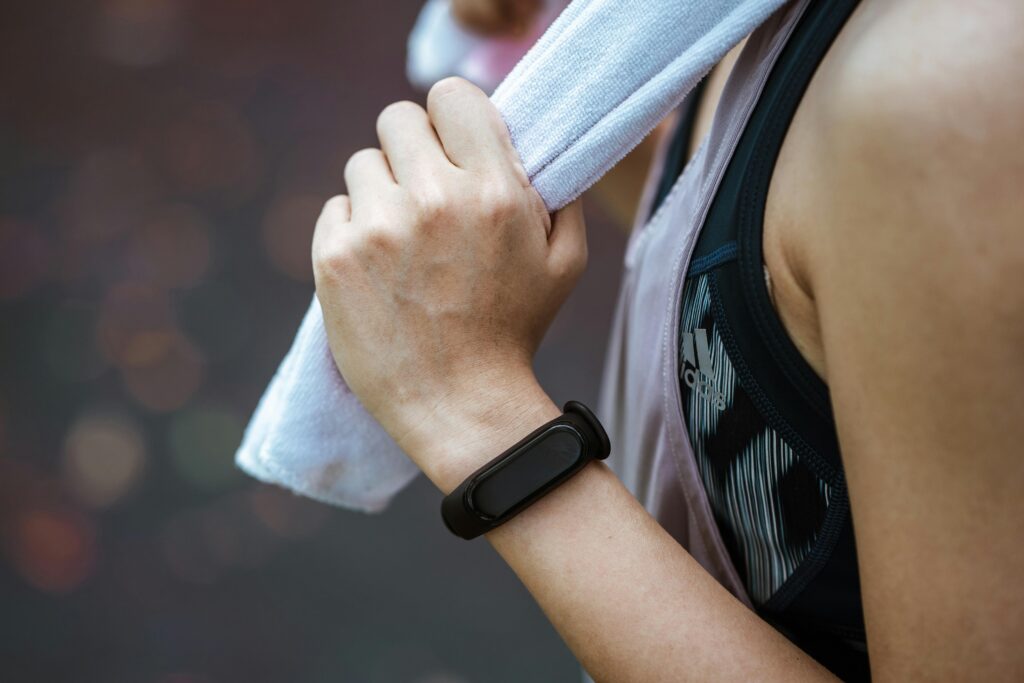
AI tools can integrate information from wearable devices, cognitive assessments, and lifestyle inputs to create adaptive strategies. Instead of static plans, individuals receive evolving insights that adjust based on real-world responses, making biohacking more precise and sustainable.
Understanding the Brain as a Biohacking Target
The brain plays a central role in performance, emotional regulation, focus, and resilience. As a result, modern biohacking increasingly prioritises neurological optimisation. AI-driven analysis allows for deeper understanding of cognitive patterns, stress responses, and neural efficiency.
By monitoring how the brain responds to different interventions, such as sleep adjustments, nutritional changes, or cognitive training, AI systems can highlight what genuinely improves mental performance. This focus on neurological data ensures that strategies are aligned with both short-term performance goals and long-term brain health.
Data Collection: The Foundation of Personalisation
Effective AI-driven biohacking depends on high-quality data. This may include sleep metrics, heart rate variability, reaction times, mood tracking, and cognitive task performance. When collected consistently, this data forms a detailed picture of how an individual’s brain and body function over time.
AI platforms can identify early signs of fatigue, cognitive overload, or stress dysregulation before symptoms become noticeable. This proactive insight allows for timely adjustments, supporting both prevention and optimisation.
Integrating Advanced Brain-Based Interventions
As biohacking evolves, many individuals incorporate targeted neurological interventions into their personalised strategies. These interventions are designed to support brain function, improve regulation, and enhance performance outcomes.
In some cases, individuals explore options such as brain treatments as part of a broader AI-informed wellness plan. When guided by data and professional oversight, such interventions can complement lifestyle-based biohacking efforts, ensuring strategies remain structured and evidence-aligned rather than experimental.
AI and Cognitive Performance Optimisation
One of the most compelling applications of AI-driven biohacking is cognitive performance enhancement. AI systems can detect patterns related to focus, memory retention, reaction speed, and mental endurance. This allows for precise recommendations on work schedules, recovery periods, and cognitive training intensity.
Rather than pushing constant productivity, AI-driven strategies emphasise balance. By identifying optimal windows for focus and rest, individuals can achieve higher performance without increasing burnout risk.
Reducing Guesswork Through Predictive Insights
Traditional biohacking often relies on self-experimentation, which can be inconsistent and difficult to interpret. AI reduces this uncertainty by providing predictive insights based on historical data and behavioural trends.
For example, AI can forecast how changes in sleep duration or stress exposure may impact cognitive performance days or weeks ahead. This predictive capability allows individuals to plan proactively rather than reacting to declines after they occur.
Ethics, Safety, and Responsible Biohacking
As AI-driven biohacking becomes more advanced, ethical considerations play a critical role. Data privacy, informed consent, and responsible use of technology are essential to maintaining trust and safety.
Effective biohacking strategies prioritise health and sustainability over extreme optimisation. AI should be used as a supportive tool, not a replacement for medical guidance. Responsible platforms emphasise transparency, evidence-based recommendations, and integration with professional care when needed.
The Role of Human Expertise Alongside AI
While AI excels at data analysis, human expertise remains essential. Health professionals, neuroscientists, and clinicians provide context, interpretation, and oversight that AI alone cannot replicate.
The most effective biohacking strategies combine AI insights with professional judgement. This collaboration ensures interventions are both scientifically sound and tailored to individual needs, reducing risk while maximising benefits.
Future Directions in AI-Driven Biohacking
The future of biohacking lies in deeper integration between AI, neuroscience, and personalised care. As algorithms become more sophisticated and data sources expand, strategies will become even more precise.
Emerging developments include real-time neural feedback, adaptive cognitive training platforms, and predictive health modelling. These innovations will continue to shift biohacking from experimental practice to structured, personalised wellness systems.
Turning AI Insights Into Sustainable Daily Habits
One of the greatest advantages of AI-driven biohacking is its ability to translate complex data into practical, everyday actions. Instead of overwhelming individuals with raw metrics, AI platforms highlight clear behavioural adjustments, such as when to rest, train, focus, or recover, that can be integrated seamlessly into daily routines.
By reinforcing habits that align with an individual’s biological responses, AI helps ensure that optimisation efforts remain sustainable over time. This consistency is essential for long-term cognitive health and performance, as small, data-informed habits often produce more lasting benefits than extreme or short-lived interventions.
A Smarter Path to Optimised Well-Being
AI-driven personalised biohacking represents a significant evolution in how individuals approach health, performance, and longevity. By leveraging data, machine learning, and targeted interventions, biohacking becomes more precise, proactive, and sustainable.
Rather than relying on generic advice or trial-and-error methods, AI allows individuals to make informed decisions aligned with their unique neurological and physiological profiles. When combined with professional oversight and ethical use, AI-driven biohacking offers a smarter, more structured path toward optimised well-being and long-term brain health.