






In the fast-paced world of today, stress has become a constant. Whether you’re dealing with anxiety, work pressure, or emotional fatigue, one of the most effective and natural ways to calm your mind is through breathwork exercises for relaxation.
These techniques improve your mental well-being and enhance your physical health. Let’s explore how breathing can change your mood, lower stress levels, and help you regain your composure.
What is Breathwork?
Breathwork refers to controlled breathing techniques that positively affect your mental, emotional, and physical states. It’s not just about inhaling and exhaling, it’s a form of active meditation that helps you focus, relax, and connect with your inner self.
Why Use Breathwork for Relaxation?
When you feel stressed or anxious, your body goes into “fight or flight” mode. Your heart rate increases, muscles tense up, and your breathing becomes shallow. Breathwork exercises for relaxation counter this by:
- Parasympathetic nervous system activation (also known as the “rest and digest” system)
- Slowing down your heart rate
- Reducing cortisol (the stress hormone)
- Helping you feel more present and grounded
Top Benefits of Breathwork Exercises for Relaxation
Reduces Anxiety and Panic
- Deep breathing soothes the nervous system.
- Helps manage anxiety attacks and racing thoughts.
Improves Sleep
- Practicing breathwork before bed helps induce deep sleep.
- Eases insomnia and restless thoughts.
Boosts Emotional Health
- Helps release stored emotions like fear, anger, or grief.
- Encourages emotional balance and clarity.
Enhances Focus and Clarity
- Clears mental fog and improves attention span.
- Useful for students, professionals, and creatives.
Supports Physical Health
- Lowers blood pressure
- Improves oxygen circulation
- Strengthens the lungs
Best Breathwork Exercises for Relaxation
The best breathwork exercises that you can do at any time will be discussed next.
Box Breathing (Square Breathing)
How to do it:
- Inhale for 4 seconds
- Hold for 4 seconds
- Exhale for 4 seconds
- Hold for 4 seconds
- Repeat for 5–10 minutes.
Benefits:
- Promotes calm and clarity
- Used by Navy SEALs and athletes
- Great before stressful events or meetings
4-7-8 Breathing Technique
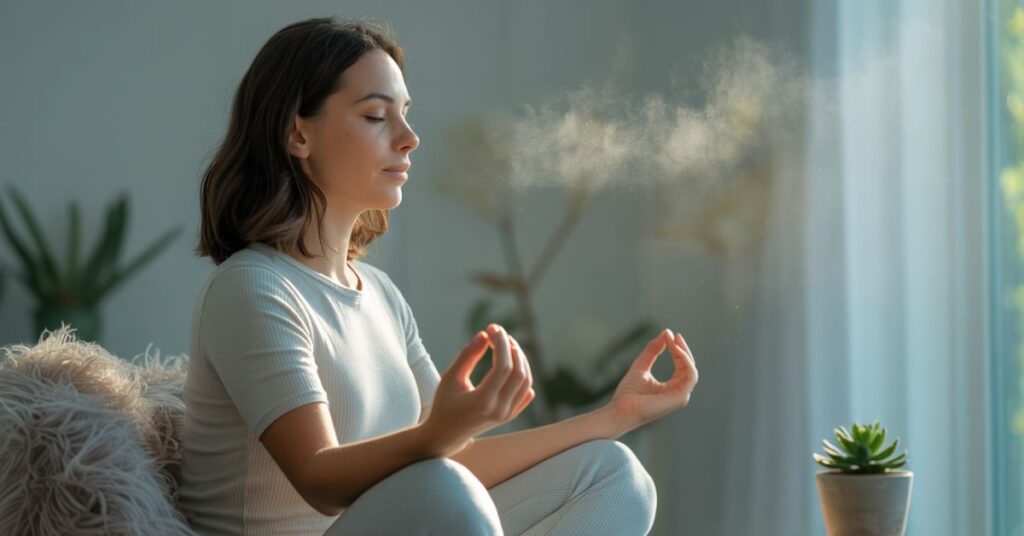
How to do it:
- Inhale through your nose for 4 seconds
- Hold your breath for 7 seconds
- Exhale through your mouth for 8 seconds
- Repeat for 4–5 cycles.
Benefits:
- Induces deep relaxation
- Helps with falling asleep faster
- Calms the nervous system almost instantly
Alternate Nostril Breathing (Nadi Shodhana)
How to do it:
- Close your right nostril with your thumb.
- Inhale through the left nostril
- Exhale through your right nostril after closing your left.
- Breathe in via the right and out via the left.
- Repeat for 5–10 minutes.
Benefits:
- Balances the left and right brain
- Clears energy channels
- Enhances emotional stability
Diaphragmatic Breathing (Belly Breathing)
How to do it:
- Sit or lie down comfortably
- Put one hand on your belly and one on your chest.
- Take a deep breath through your nose to make your belly grow.
- Exhale slowly and feel the belly go down
- Repeat for 10 minutes.
Benefits:
- Reduces tension and promotes deep relaxation
- Strengthens the diaphragm
- Especially helpful for beginners
Ocean Breath (Ujjayi Pranayama)
How to do it:
- Inhale through the nose
- Slightly constrict the throat
- Exhale slowly with a soft “haa” sound
- Repeat for 5–15 minutes.
Benefits:
- Clears the mind
- Excellent for yoga and meditation sessions
- Increases mindfulness
Daily Routine: When to Practice Breathwork
- Morning: Kickstart your day with a clear and calm mind
- Midday: Use it as a mini break to de-stress
- Evening: Relax after work and wind down
- Before Sleep: Prepare the body for deep rest
Even just 5 minutes a day of breathwork can bring visible improvements in your life.
Tips for Effective Breathwork Practice
- Practice in a quiet, comfortable space
- To allow your chest and belly to freely expand, dress loosely.
- Be consistent, daily practice works best
- Start with simple exercises, then build up
- Pair with soft music or nature sounds if it helps you focus
Who Can Benefit from Breathwork?
- People with stress or anxiety
- Those struggling with insomnia
- Individuals looking for spiritual or emotional balance
- Athletes, students, and corporate workers
- Anyone seeking more peace in their daily life
Scientific Support Behind Breathwork
Studies published in journals like Frontiers in Psychology and Harvard Health Publishing show that regular breathwork practice:
- Decreases cortisol levels
- Increases heart rate variability (HRV), a marker of resilience
- Enhances mood and mental clarity
- Improves immune function
Spiritual and Emotional Healing Through Breathwork
Breathwork is not just a physical exercise; it’s a transformational tool that allows deep emotional and spiritual healing. It helps release trauma, suppressed feelings, and emotional blocks, leaving space for peace, love, and freedom.
Combining Breathwork with Other Practices
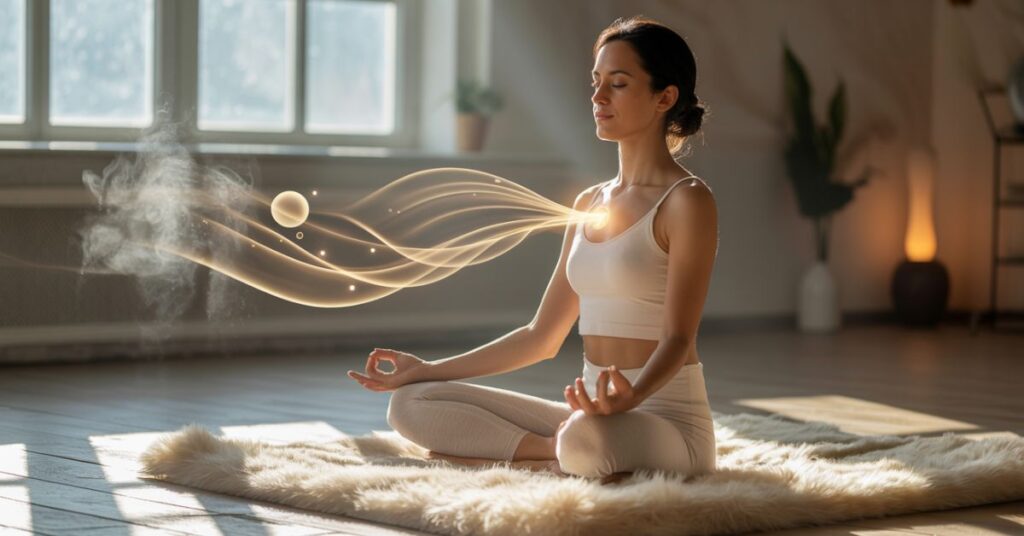
To make your practice more powerful, you can combine breathwork exercises for relaxation with:
- Meditation
- Yoga
- Aromatherapy (lavender, eucalyptus oils)
- Sound Healing (Tibetan bowls, binaural beats)
- Journaling to reflect after the session
Frequently Asked Questions
What are the best breathwork exercises for beginners?
Deep belly breathing, box breathing, and 4-7-8 breathing are great starting points. They’re simple, effective, and don’t require any special tools.
How long should I practice breathwork each day?
A daily practice of even 5 to 10 minutes can result in noticeable relaxation. With time, you can increase the duration as it fits your routine.
Can breathwork reduce anxiety and stress?
Yes, scientific studies show that focused breathing helps activate the parasympathetic nervous system, which lowers stress hormones and calms the mind.
Is breathwork safe for everyone?
Most people can safely practice breathwork, but those with serious heart or lung conditions should consult a doctor first, especially before doing intense techniques.
When is the best time to do breathwork for relaxation?
You can do it anytime, but it’s especially helpful before bed, after a stressful moment, or during meditation or yoga.
Conclusion
Relaxation breathing techniques are a safe, natural way to reduce stress, clear your head, and feel more in control of your life. With just a few deep breaths each day, you can improve your mood, reduce anxiety, and sleep better without needing any equipment or medication.
Making breathwork a daily habit doesn’t take much time, but the benefits are lasting. Start small, stay consistent, and you’ll soon notice how much more grounded, focused, and at peace you feel, all by simply tuning into your breath.
Read More: Wim Hoff Breathing Method for Beginners
